

Arthritis Care & Research reports that juvenile arthritis (JA) patients may have a higher risk if coronary artery disease (CAD) in adulthood.
Data was drawn from the National Health and Nutrition Examination (2007‐2014). The diagnoses of JA and CAD were self declared by respondents.

Dr. Jack Cush delivers select commentary on select news and journal articles from the past week on RheumNow.com.

The National Rheumatoid Arthritis Society's (NRAS) annual audit has identified significant treatment delays for patients with suspected early inflammatory arthritis could result in unnecessary harm.
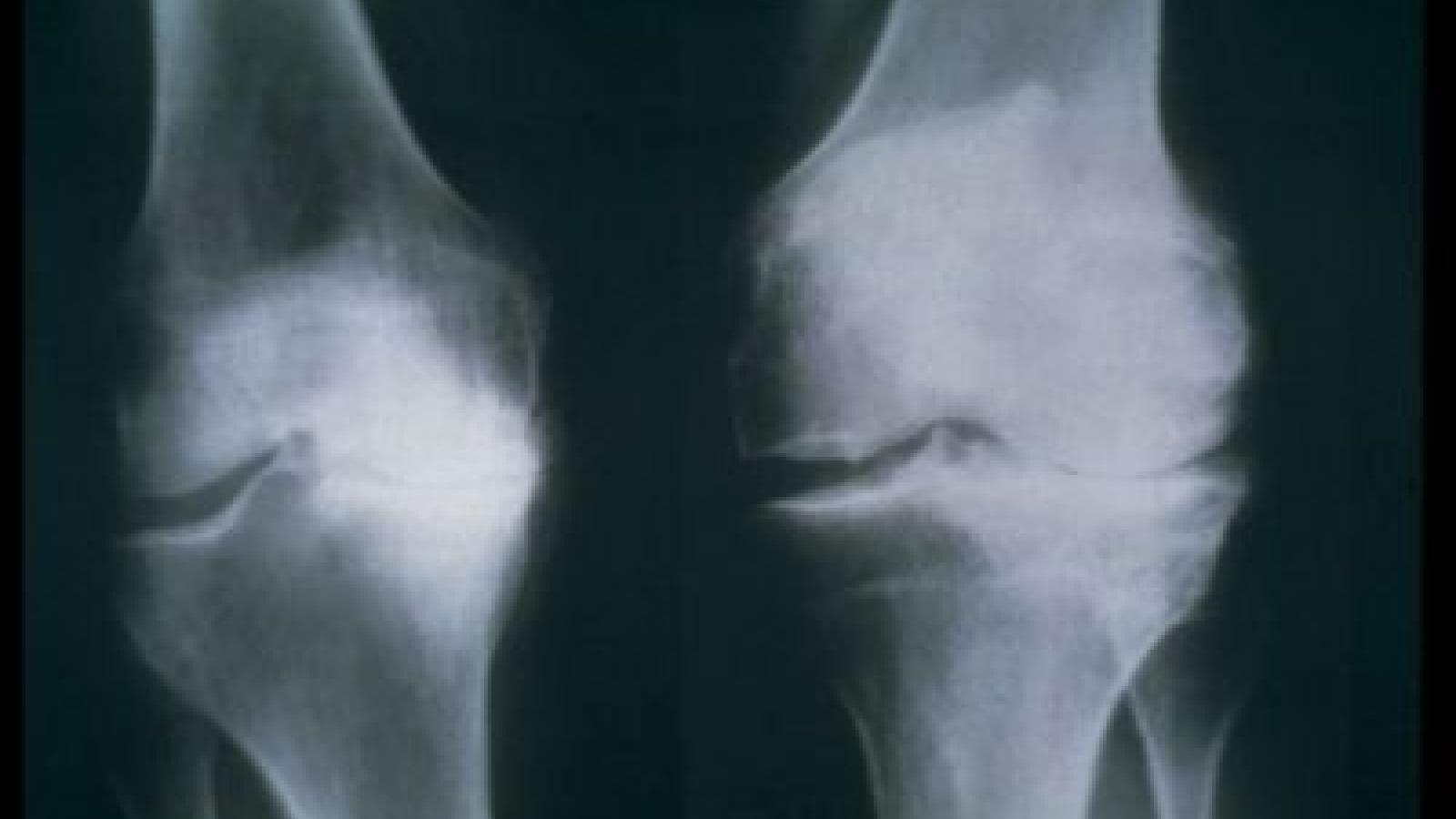
Intra-articular sprifermin given to patients with symptomatic and radiographic knee osteoarthritis has been shown to significantly improve total femorotibial joint cartilage thickness after 2 years, but without significant clinical benefits. Which begs the question, why is there a disconnect between radiographic disease modification (cartilage thickness) and symptomatic improvement?

Annals of Internal Medicine reports that age-adjusted mortality rates for antineutrophil cytoplasmic autoantibody–associated vasculitides (AAV) have improved over time - with a decline of nearly 2 percent per year in the United States from 1999 to 2017. Nevertheless, long-term outcomes continue to lag behind mortality rates of the general population.

Even though oral bisphosphonates are widely used, there is an inordinate concern over the risk of osteonecrosis of the jaw (ONJ). A new UK study suggests that the risk of ONJ is elevated six fold by the use of biphosphonates.

Reuters has reported the results of a recent Institute for Clinical and Economic Review (ICER) analysis showing that biologics, especially Humira and Rituxan, are leading the way in the cost of drugs in the USA.
All told, Humira and Rituxan topped a list of seven treatments whose combined 2017 and 2018 price hikes accounted for a $5.1 billion increase in U.S. drug spending. ICER said their analysis points to price hikes that were more than
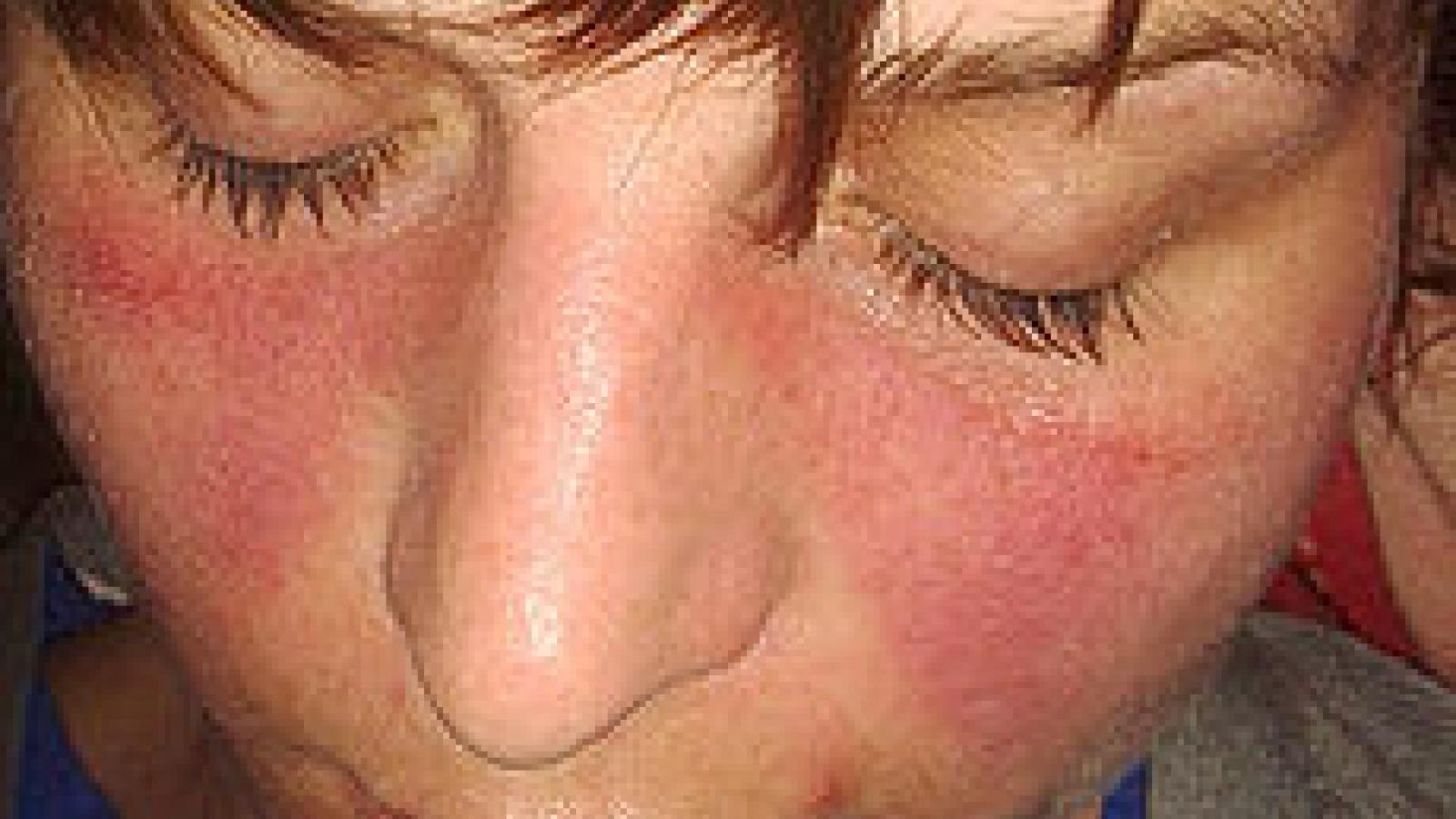
Elevated serum levels of interferon-α among patients whose systemic lupus erythematosus (SLE) was in remission helped predict future disease flares, European researchers found.
Among 254 SLE patients who were in remission, 26% had abnormally high serum levels of interferon-α at baseline, according to Alexis Mathian, MD, of Pitié-Salpêtrière Hospital in Paris, and colleagues.

The FUTURE 5 trial studied the effect of secukinumab (SEC) on radiographic progression through 52 weeks in patients with active psoriatic arthritis (PsA) and found that SEC was clinically and radiographically superior to placebo (PBO).
Patients received s.c. secukinumab 300 mg load (300 mg), 150 mg load (150 mg), 150 mg no load regimens or placebo at baseline, at weeks 1, 2 and 3 and every 4 weeks starting at week 4. The majority (87%) of
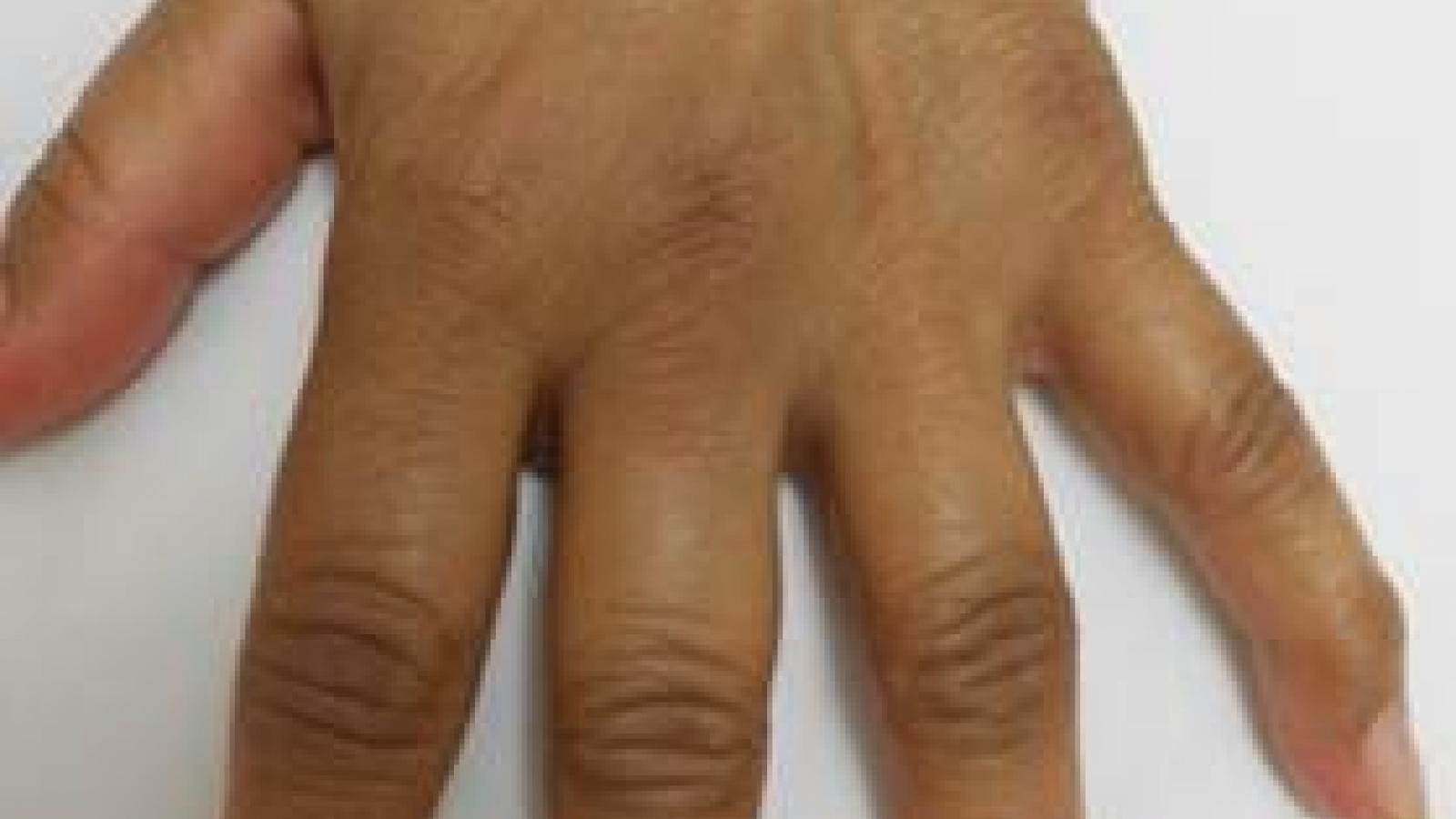
Another UK study has suggested that prior use of antibiotics increases the risk of developing rheumatoid arthritis (RA).
Rheumatology has published a 15 year case–control study that compared 8482 newly diagnosed RA patients and 22,661 controls from the UK’s Royal College of General Practitioners Research and Surveillance Centre database (between 2006 and 2018).

Patients diagnosed with interstitial pneumonia with autoimmune features (IPAF) are at an increased risk of developing a systemic autoimmune rheumatic disease (ARD).
A retrospective study of interstitial lung disease (ILD) patients from the Columbia University Irving Medical Center (2009 to 2017) looked for those who did or did not meet IPAF criteria.
Dr. Jack Cush reviews the News and Journal Reports from this week on RheumNow.com.

Since moving to South Florida (also popularly known as "God's Waiting Room" by the locals). I've learned a lot more about Lipstick Rheumatology. This moniker was made famous by my friend and colleague, Dr. Kathryn Dao, who first wrote about the nuances of being a female with rheumatic disease. This blog focuses on three popular products recommended by my female patients that serve as life improving hacks.

The American Society for Bone and Mineral Research has developed multistakeholder consensus clinical recommendations for the prevention of secondary fractures for those aged 65 years and older after an initial hip or vertebral fracture.
Overall they have promoted 13 recommendations (7 primary and 6 secondary) strongly supported medical evidence.
Highlights include recommendations for:

JAMA Internal Medicine has an analysis of the growing trend of more women enrolling in medical schools in the last few decades, such that more than half of US Med school matriculants in 2017 were women. Also in 2017, 42% of residents in internal medicine were women. The reported analysis looked at internal medicine subspecialty choices by women and men between 1991 to 2016.

