

The pharmacology treatment including biologics, cellular-based therapies, and Bi-specific T-cell Engager (BiTE) in systemic lupus erythematosus (SLE) is a rapidly expanding field of research that provides excitement and optimism to both the patients and the physicians.

Artificial intelligence isn’t a distant frontier anymore. It’s here, and it appears able to detect signs of rheumatoid arthritis, possibly before we can clinically detect it. Two studies presented at this year’s ACR meeting highlight just how close we may be to a future where algorithms flag disease before we can and monitor activity with minimal patient burden.

At ACR Convergence 2025, the American College of Rheumatology presents new research illuminating critical challenges and advances in pregnancy outcomes for women living with rheumatic diseases, including axial spondyloarthritis, antiphospholipid syndrome, and lupus.

Two pioneering studies presented at ACR Convergence 2025 spotlight the potential of CAR-T cell therapies to transform treatment for systemic lupus erythematosus (SLE) and other autoimmune diseases. These early findings suggest a new frontier in immune modulation and long-term disease remission.

ACR Convergence 2025 will be kicking off with a Plenary Session by Michelle Petri (Abstract 0772: Redefining When to Biopsy the Kidney in Patients with SLE), which is a great place to kick off our coverage of the meeting. As part of a collaboration with the Accelerating Medicines Partnership, Petri and colleagues have given data to what many of us have long suspected: a biopsy threshold of 0.5g/d of proteinuria may be too high.

Fatigue is one of the most disabling symptoms in psoriatic arthritis (PsA), yet its causes are often underexplored. At ACR 2025, Abstract #0549, a possible hidden contributor was studied: obstructive sleep apnea (OSA).

We know that pre-RA is a definition that stands under a large umbrella, ranging from asymptomatic individuals with ACPA positivity to individuals with symptomatic pre-clinical synovitis. How can we predict the transition from the at-risk state to clinical RA outside the realm of clinical, conventional serological (RF/anti-CCP) or imaging (US/MRI synovitis) biomarkers?
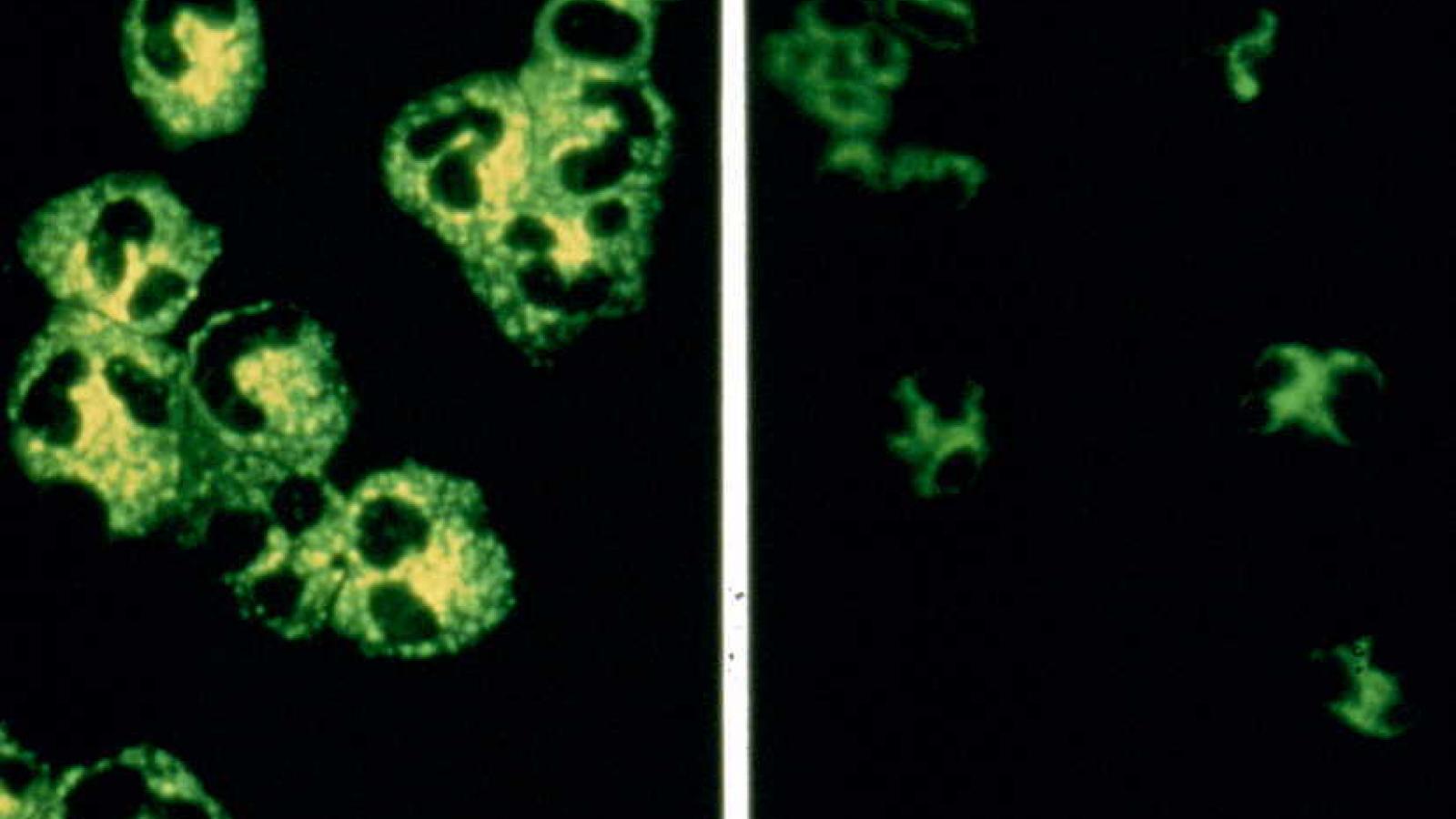
With increased disease awareness and more regular, accessible testing for anti-neutrophil cytoplasmic antibodies (ANCA), ANCA-associated vasculitis (AAV) has become an increasingly recognized clinical entity in rheumatologic practice.
Dr. Jack Cush reviews the news and info reports the day before ACR 2025

New longitudinal research reveals that severe stress caused by changes in family structure like divorce or separation experienced during the first year of life may triple the risk of developing psoriasis later in life.

Patients with lupus nephritis were more likely to get off chronic corticosteroid treatment, and stay off, when certain factors were in place, researchers said.
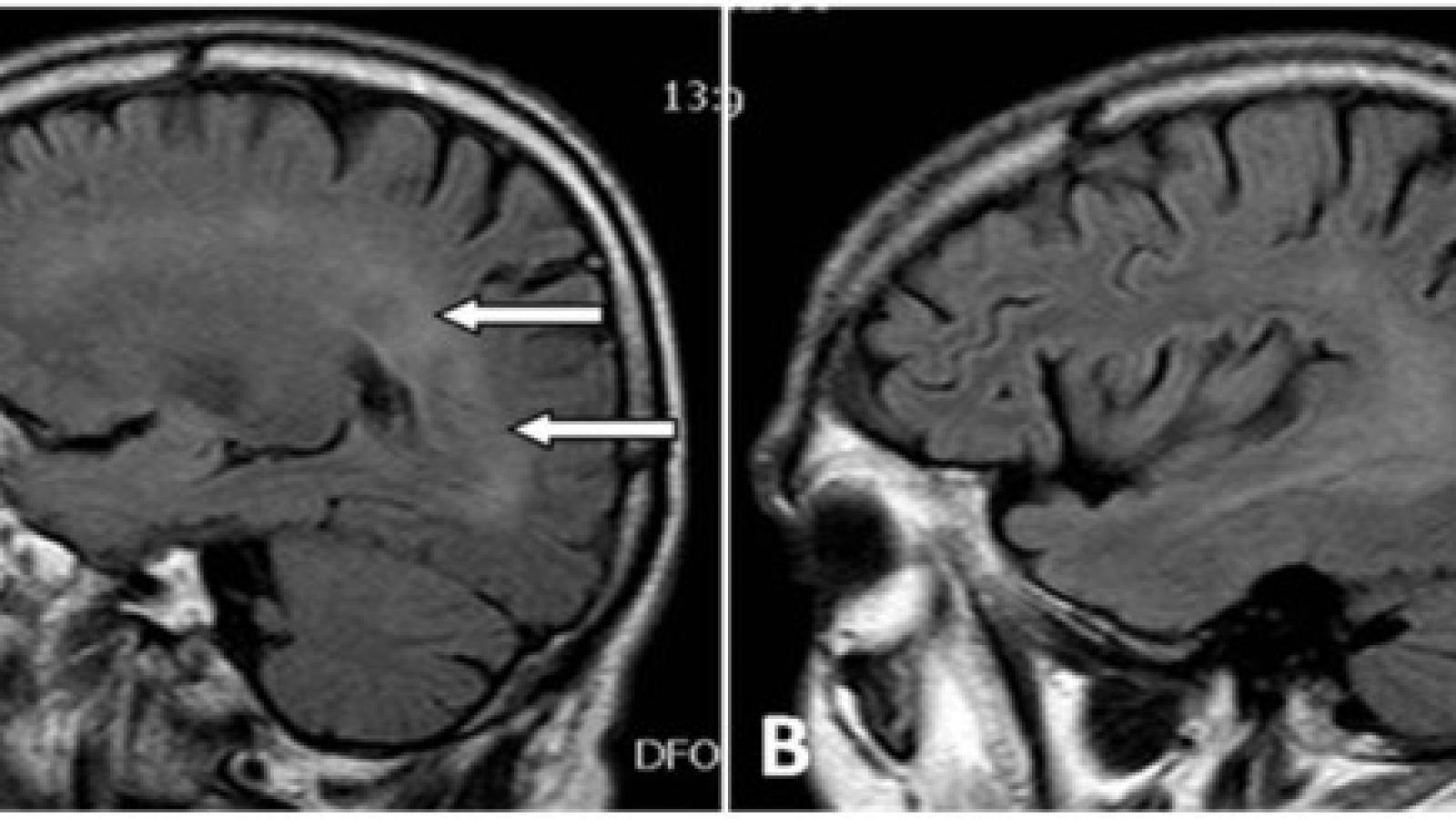
The clinical features and genetic abnormalities of neuropsychiatric systemic lupus erythematosus shows that NPSLE often means more severe lupus and more organ involvement beyond the central nervous system.

Novartis announced the results of their REPLENISH trial showing the efficacy of secukinumab in adults with polymyalgia rheumatica (PMR).

Management of long COVID has been perplexing with symptoms having functional and possibly inflammatory origins. Colchicine has been studied in long COVID and failed to improve functional capacity, respiratory function, or inflammatory markers.
Sodium-glucose cotransporter-2 (SGLT-2) inhibitors have benefits beyond glycemic control, including cardioprotective and nephroprotective effects, with modest weight loss. Now a recent population study suggests that SGLT-2i may have immunomodulatory effects and the ability to preven autoimmune disease.

