

In this Therapeutic Update, Drs. Mease, Gibofsky and Cush answer five questions regarding the August 3rd FDA Arthritis Advisory Committee meeting that reviewed the potential approval of tofacitinib (Xeljanz) in patients with active psoriatic arthritis. The panel was nearly unanimous (10-1) in favor of the efficacy and safety profile of of tofacitinib, and similarly voted 10-1 to approve this drug for use in PsA. Final decisions on these

Studies have shown that rheumatoid arthritis (RA) patients have increased risk of acute coronary syndrome (ACS) and may suffer from poorer short-term outcomes after ACS. The long-term outcomes in patients with RA with ACS was shown to be worse than matched non-RA patients also with ACS.

In 1994 there were 600 supplement companies, producing 4,000 OTC supplement products for a total revenue of about $4 billion. Today we have close to 6,000 companies, producting nearly 75,000 supplement products, bringing in $37 billion annually. And all of this is regulated by 26 people and a budget of $5 million at the FDA.

The introduction of intravenous pegloticase (PEG) in 2010 was felt by many to be a major advance in the treatment of patients with severe, refractory tophaceous gout. But for some, concerns over infusion reactions and safety have limited its use.

The RheumNow Week in Review discusses the past week's news, journal articles and highlights from RheumNow.com. This week's report includes new data on lupus survival, pediatric lupus guidelines from SHARE, room temperature storage of etanercept, over or under-testing by rheumatologists and failure of pain meds to treat pain.
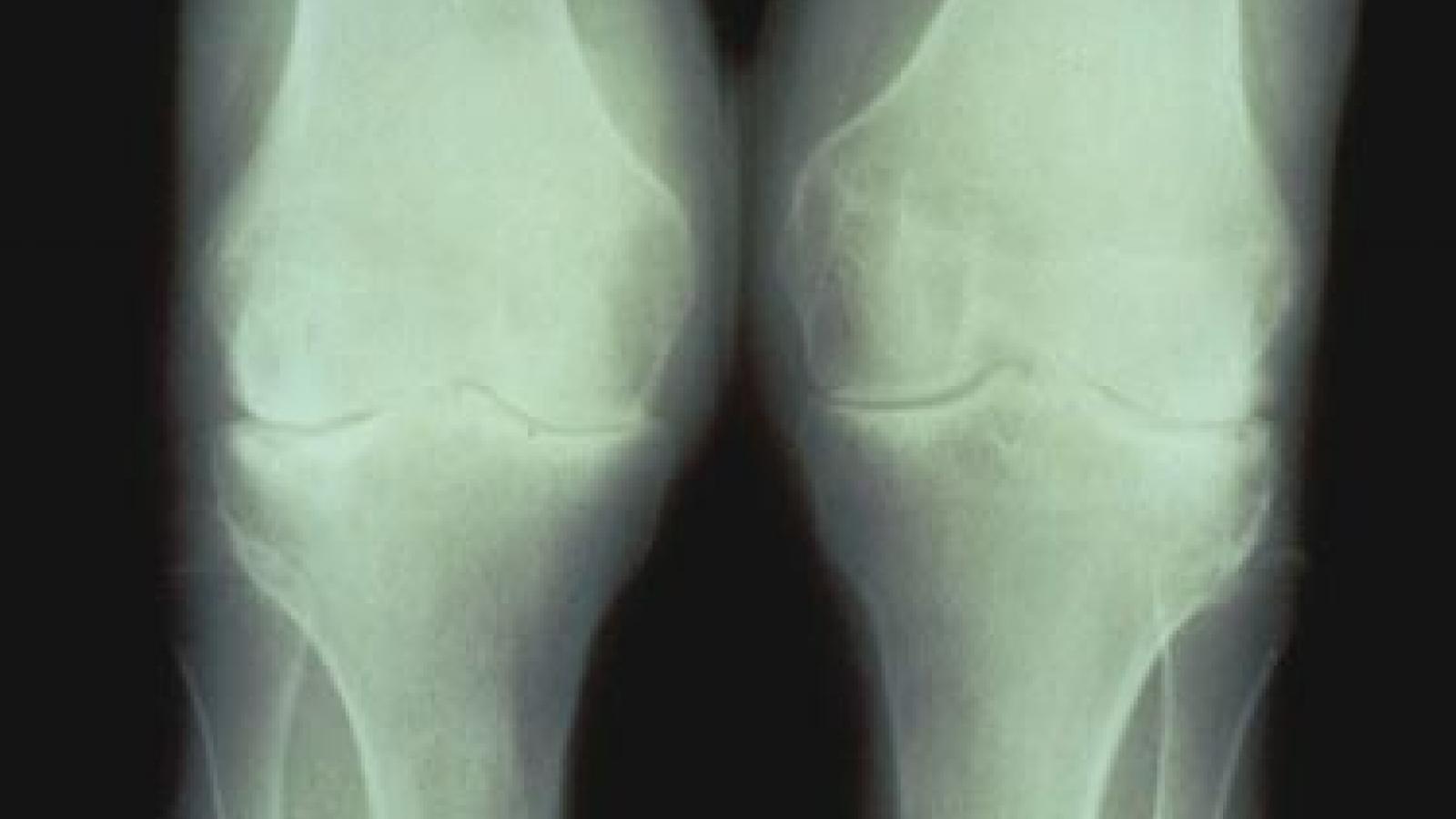
The average American today is twice as likely to be diagnosed with knee osteoarthritis as in the years before World War II, Harvard scientists say. And the reasons are less clear than you might think.Based on a study of more than 2,000 skeletons from cadaveric and archaeological collections across the United States, a Harvard report is the first to definitively show that knee osteoarthritis prevalence has dramatically increased in recent decades.

Fewer than half of rheumatoid arthritis (RA) patients at a risk of fracture sufficient to warrant guideline-recommended osteoporosis treatment received appropriate care, according to a large study of U.S. osteoarthritis (OA) and RA patients.

I saw a patient this past week with new onset polyarthralgia, which led me to ponder how my fellow rheumatologists would utilize laboratory testing in such a patient.

Management of chronic low back pain (CLBP) is often complex, requiring multiple modalities and meds to control pain. An analysis of studies shows that Gabapentinoids, including pregabalin and gabapentin, have little to no benefits but significant risk of adverse effects. (Citation source https://buff.ly/2warMSU)

Cannabis has become a regulated product, and many states have made it available with the intent of treating a variety of medical disorders, including chronic pain. A metanalysis published in Annals of Internal Medicine has shown that while cannabis may help neuropathic pain, it is not proven to benefit other types of chronic pain.

A European multicentre study examined whether the duration of azathioprine (AZA) maintenance therapy in ANCA-associated vasculitis patients would influence the relapse rate during long-term follow-up.

A population-based cohort study shows that comorbidities in psoriatic arthritis patients (PsA) were associated with higher disease activity, shorter persistence and reduced clinical response to TNF inhibitors (TNFi).

Uveitis may occur in up to 40% of spondyloarthritis patients. Metanalyses have shown that treatment with tumour necrosis factor-α inhibitor may reduce the rates of anterior uveitis. A multicenter study from Sweden and Norway has confirmed that amongst TNFi, adalimumab and infliximab offer better protection against AU than etanercept.

Crohn’s disease (CD), a chronic inflammatory condition of the gastrointestinal tract, is also known for its propensity to affect the musculoskeletal system. Extraintestinal complications of CD include inflammatory polyarthritis, loss of muscle mass, growth retardation and vertebral compression fractures. Some of these are direct results of inflammation or indirect effects of malnutrition.

The RheumNow Week in Review caps the week's news every Friday. Dr Jack Cush reviews the news, journal reports and important events from the past week in rheumatology. This week's news highlights include new data on the incidence of arthritis, lag times in patient referral, criteria for referral and why/how weather change affects arthritis pain.

