

A recent article published by the American Academy of Ophthalmology presented new recommendations for screening of patients being managed with hydroxychloroquine that changed the previous monitoring paradigm. More importantly, it has repositioned hydroxychloroquine from one of the safest medications that rheumatologists use to a drug that can have potentially significant ocular morbidity (if used in doses greater than 5 mg per kilogram and or

Dr Jack Cush reviews highlights from the news and journal articles appearing this week on RheumNow.com:
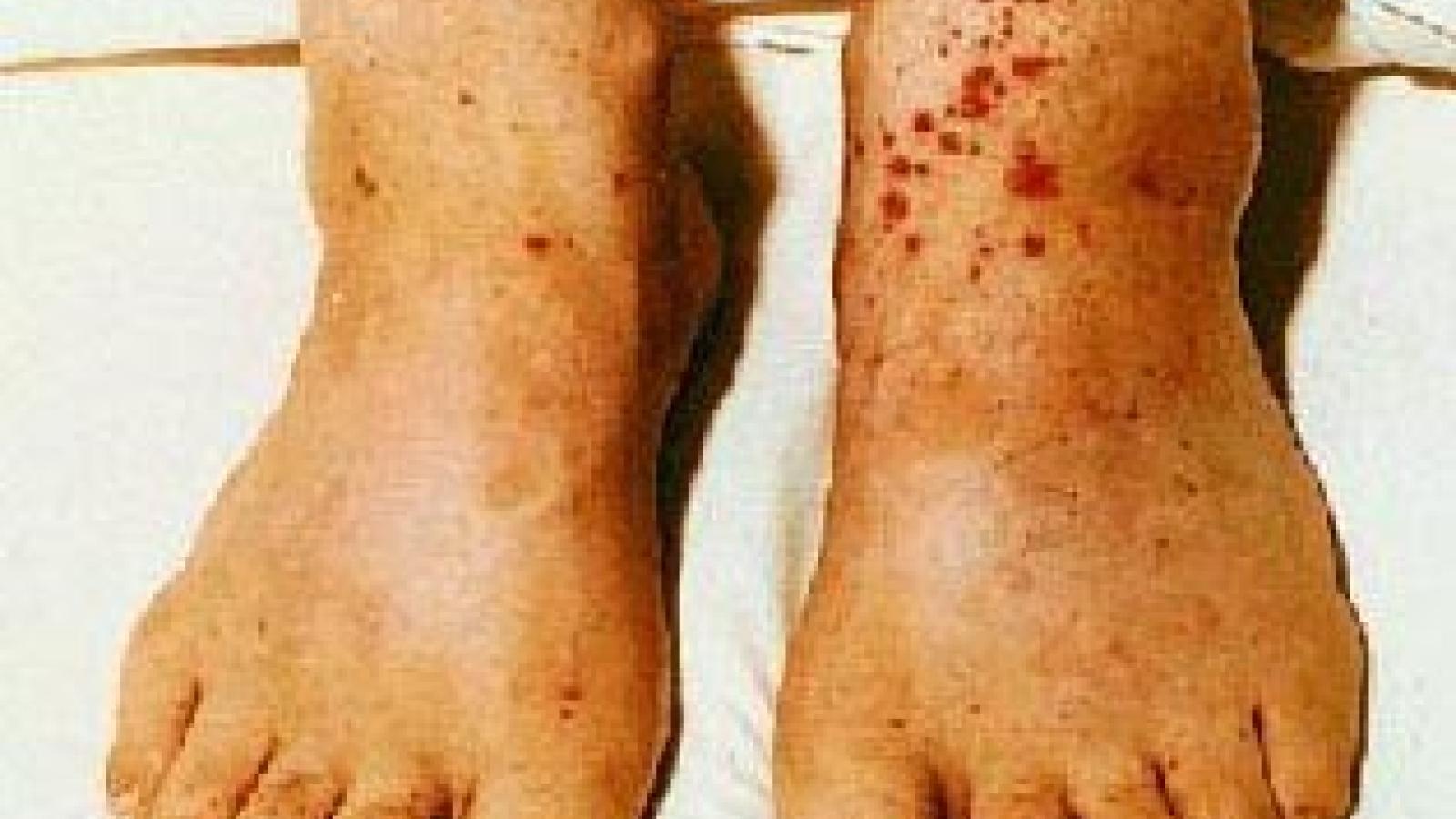
Rheumatologists have been challenged to treat hepatitis C virus (HCV)-induced rheumatic disease since discovery of the virus in 1989. For years, standard treatment was interferon (IFN)-based and associated with significant toxicity and a low likelihood of virologic cure (5% for IFN monotherapy to 50% with PEGylated IFN plus ribavirin).


People who regularly smoke large amounts of cannabis have reduced bone density and are more prone to fractures, research has found. The study also found that heavy cannabis users have a lower body weight and a reduced body mass index (BMI), which could contribute to thinning of their bones.

In this video, Michelle Petri, MD, director of the Hopkins Lupus Center at Johns Hopkins University, discusses recent successes and challenges in the treatment of systemic lupus erythematosus, with clinical trials results ranging from "wildly positive" to "completely negative.""What we're learning in lupus is that B cells aren't going to be the only target," she explained.
A recent article published by the American Academy of Ophthalmology presented new recommendations for screening of patients being managed with hydroxychloroquine that changed the previous monitoring paradigm. More importantly, it has repositioned hydroxychloroquine from one of the safest medications that rheumatologists use to a drug that can have potentially significant ocular morbidity (if used in doses greater than 5 mg per kilogram and or
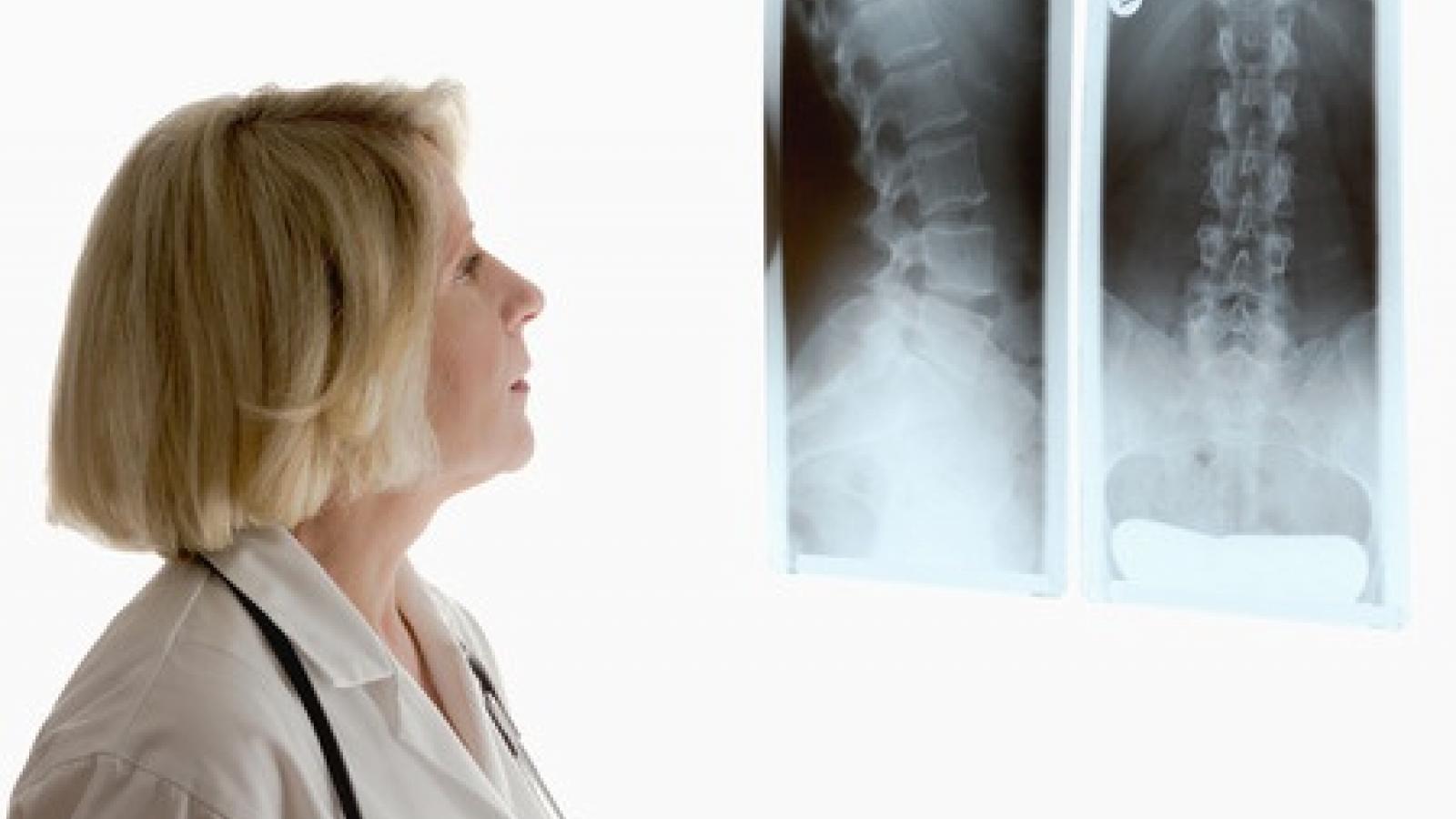
The risk of developing ankylosing spondylitis (AS) if you are HLA-B27+ and a first degree relative is often said to be 20%.
Turina et al. set out to assess the risk of seemingly healthy first-degree relatives of AS based on whether they develop clinical, laboratory, or imaging features of spondyloarthritis (SpA).

Aromatase inhibitors (AI) are often given in the setting of estrogen receptor-positive (ER+) breast cancer therapy.
Up to half of women on AI therapy experience joint pain, and up to 20% become non-compliant with their AI therapy because of joint pain. (Citation source http://buff.ly/2dQNpfy)
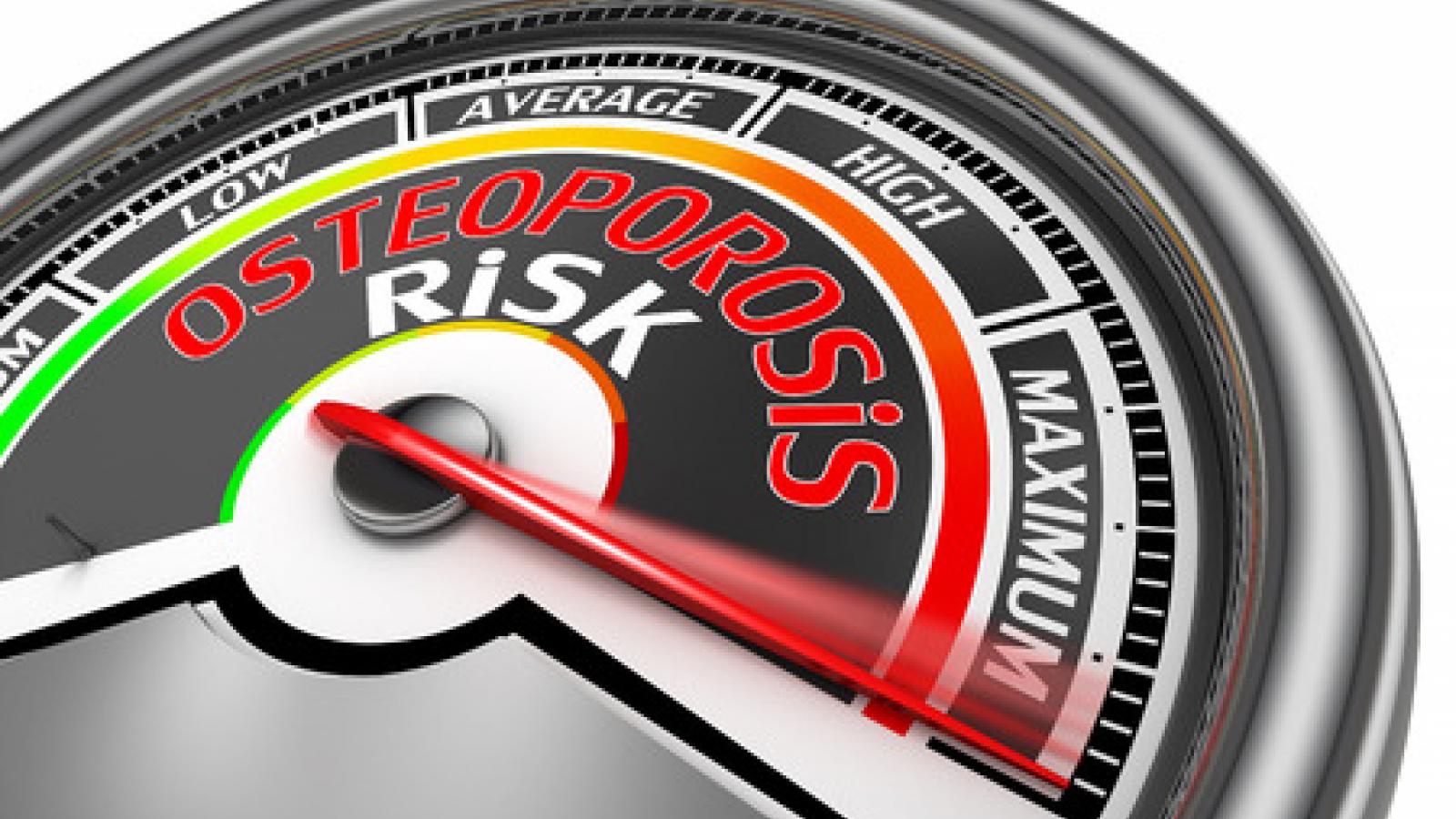
The International Osteoporosis Foundation (IOF) reports that nearly 80% of those who have already suffered a broken bone due to osteoporosis remain unprotected against the risk of further disabling fractures.In preparation for World Osteoporosis Day the IOF wishes to spread this "urgent call to action".

The diagnosis of periodic fevers is unified by undiagnosed but recurrent fever. Unfortunately the diagnosis of these disorders is hampered by their infrequency, protean features and a lack of clear criteria. Even more problematic is knowing who should be tested and for which monogenic marker?
Dr. Jack Cush reviews highlights from the journals and news this week on RheumNow.com.
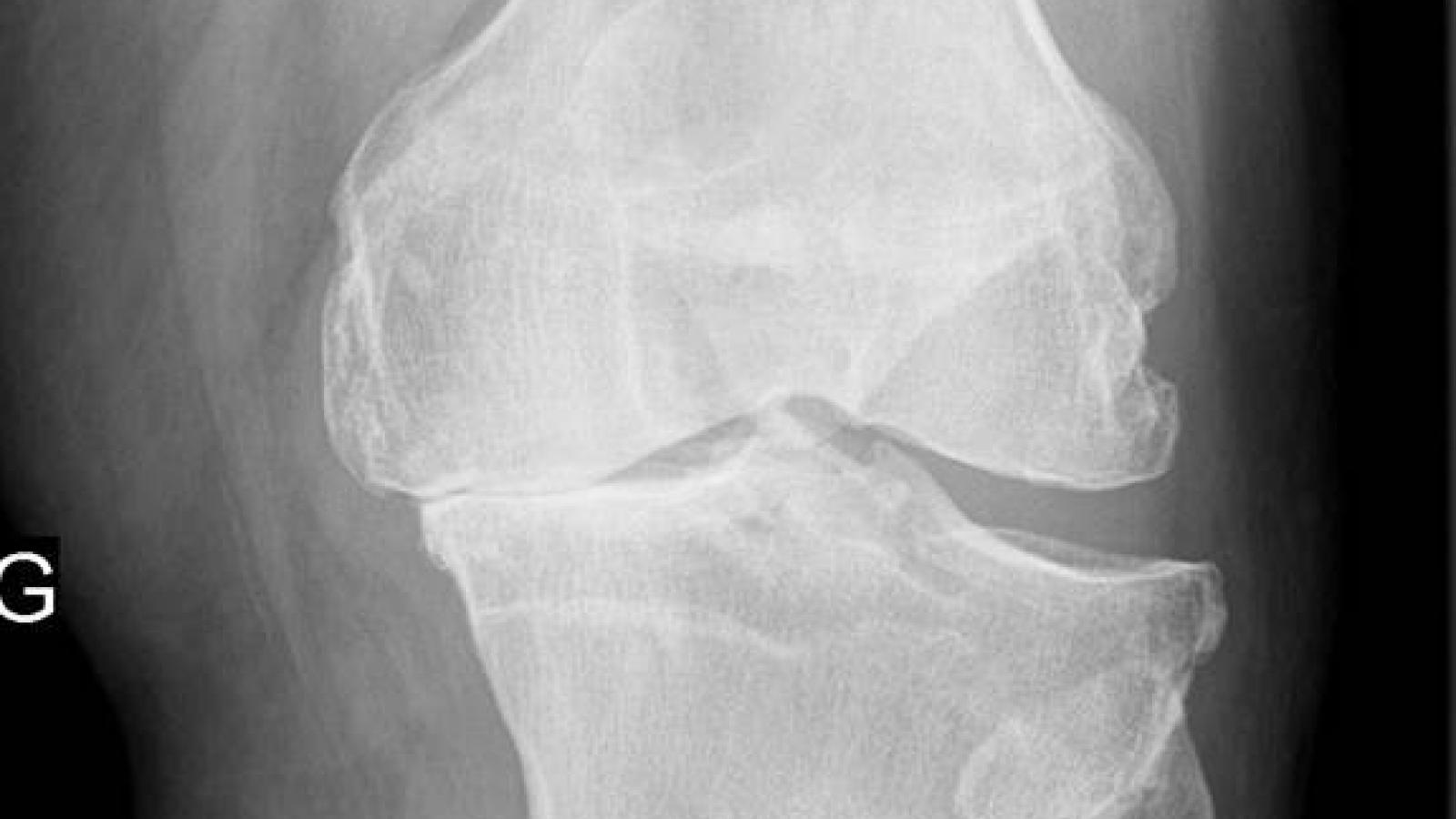
The October 7th edition of MMWR reports that severe joint pain (SJP) has significantly risen from 10.5 million in 2012 to 27.2% in 2014, based on recent NHIS surveys.
In the United States, arthritis is a leading cause of disability and affects an estimated 52.5 million (22.7%) adults in 2010–2012; it has been projected to rise to 78.4 million adults by 2040.

RheumNow will periodically review this subject with “Biosimilar Reports” providing updates, news, new publications, overview articles and research results impacting to biosimilar development and use.

Muscle involvement in immune-mediated necrotizing myopathy (IMNM) was more extensive compared with other inflammatory myopathies, according to a retrospective chart review.

