

The 2010 NHANES study suggests that the overall prevalence of osteoporosis (OP) in the USA is ~10% or 10.2 million older adults (> 50 yrs) had osteoporosis. This combined with the ~44% prevalence of low bone mass (43.4 million) highlights the public health problem of OP and osteopenia in the USA.
An analysis by the NIH-NIAMS shows that $990 million dollars was spent on anti-osteoporosis drugs in 2013.

Through educational, administrative and legislative efforts, FSR works for the betterment of rheumatology practices and patients in Florida. Here's how.

Researchers at the National Institutes of Health, led by Dr. Dan Kastner, have led the way in the discovery and understanding of numerous autoinflammatory diseases.

Yesterday the U.S. Food and Drug Administration approved a new biosimilar, Erelzi, (etanercept-szzs), for the same multipile indications as the originator Enbrel, including rheumatoid arthritis, plaque psoriasis, Erelzi, will be generically labelled as etanercept-szzs.
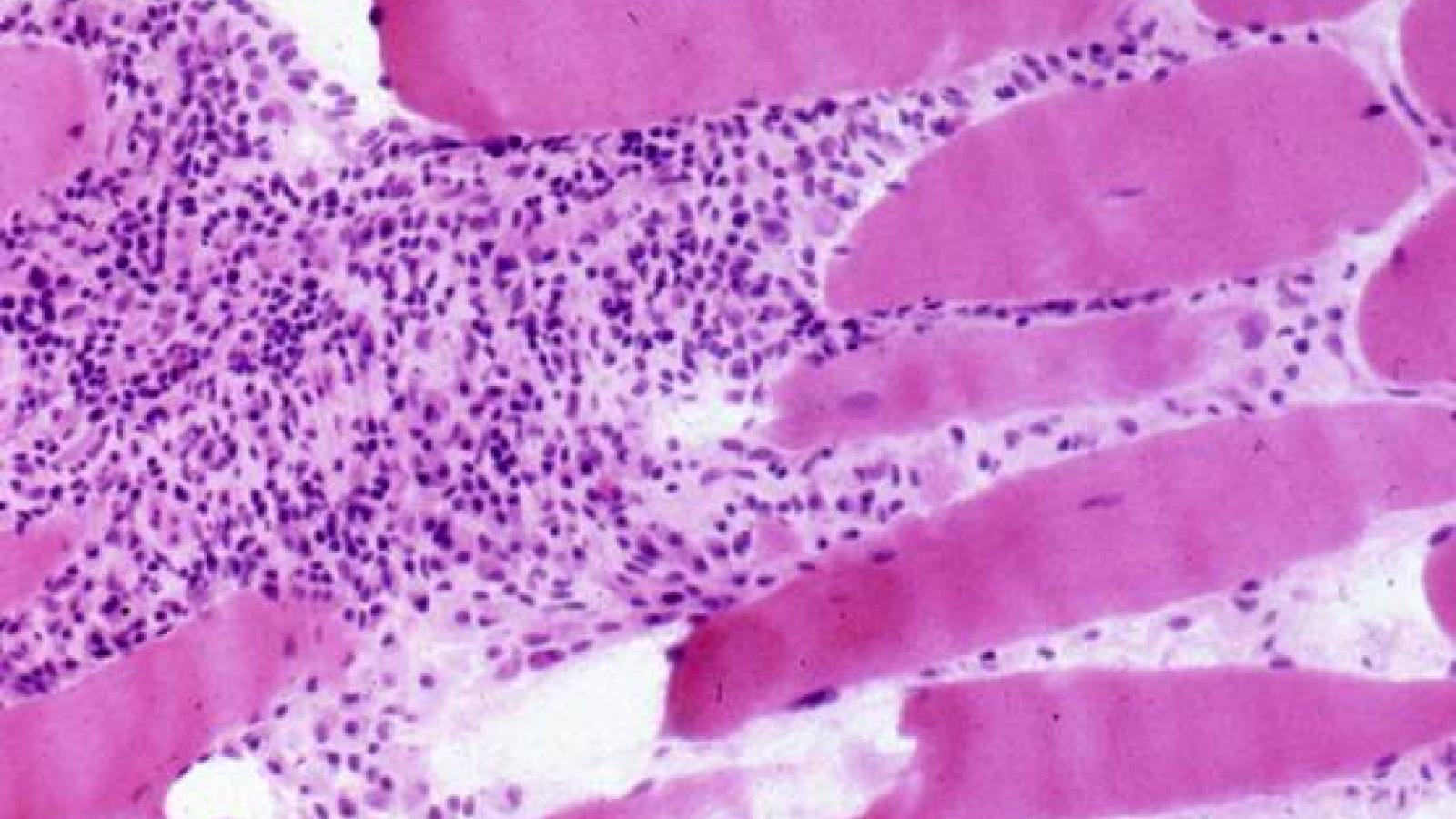
High mobility group box chromosomal protein 1 (HMGB1) is a DNA-binding protein that functions as a structural co-factor. HMGB1 is actively secreted by macrophage/monocytes via inflammatory stimuli and is elaborated during apoptosis.
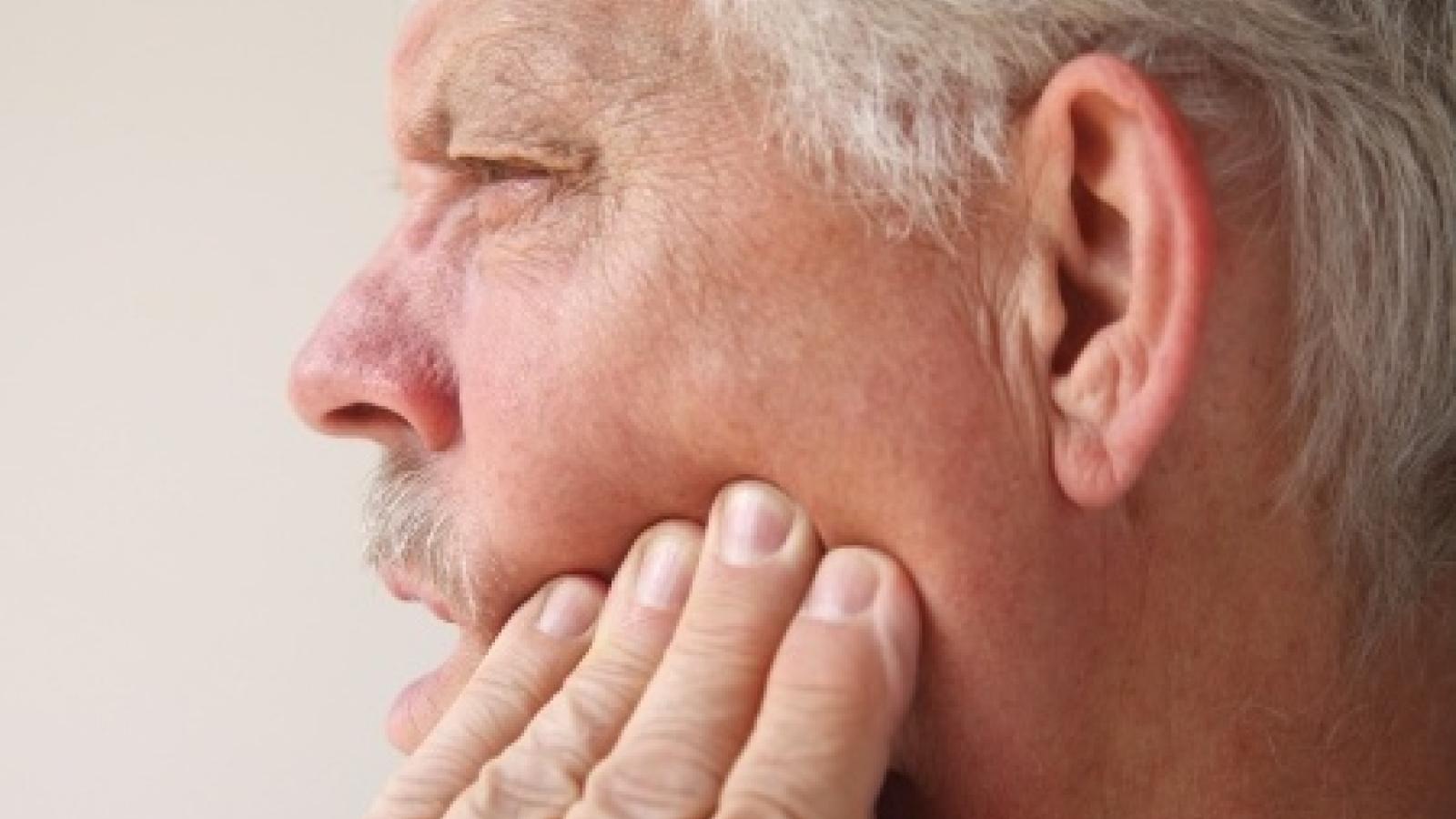
In 2015, the Food and Drug Administration (FDA) updated the warnings of all marked bisphosphonates to include the risk of osteonecrosis of the jaw (ONJ) and atypical femoral fractures (AFF). The FDA has recently approved an update to the product label for denosumab (Prolia). The warning states that ONJ "has been reported with Prolia" and that the prescriber should "Monitor for symptoms".
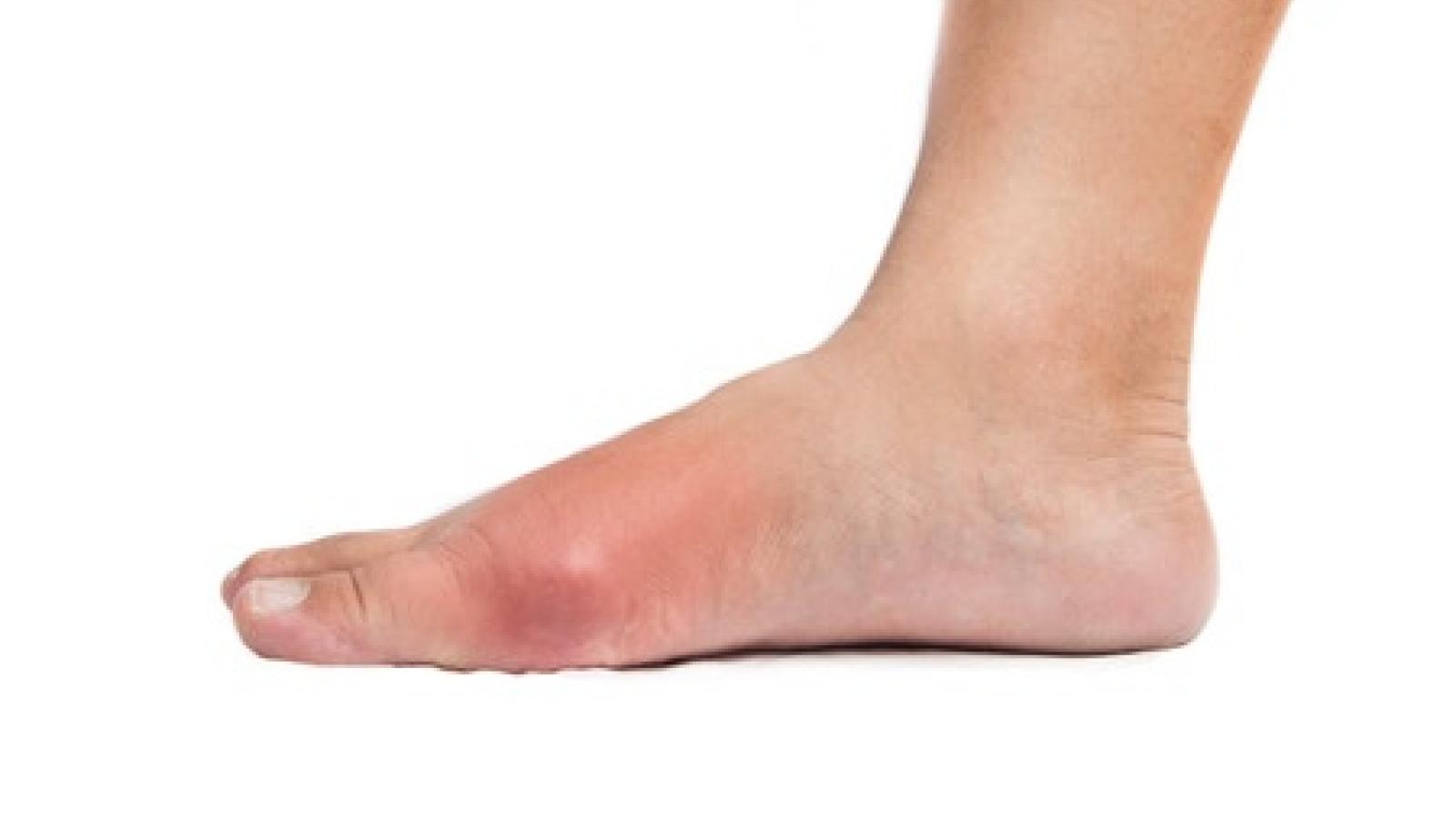
Lesinurad (Zurampic) was approved earlier this year as adjunctive therapy to other urate-lowering therapies. It is a selective uric acid reabsorption inhibitor (URAT-1 inhibitor) designed to treat gout, and be used in combination with other xanthine oxidase inhibitors.
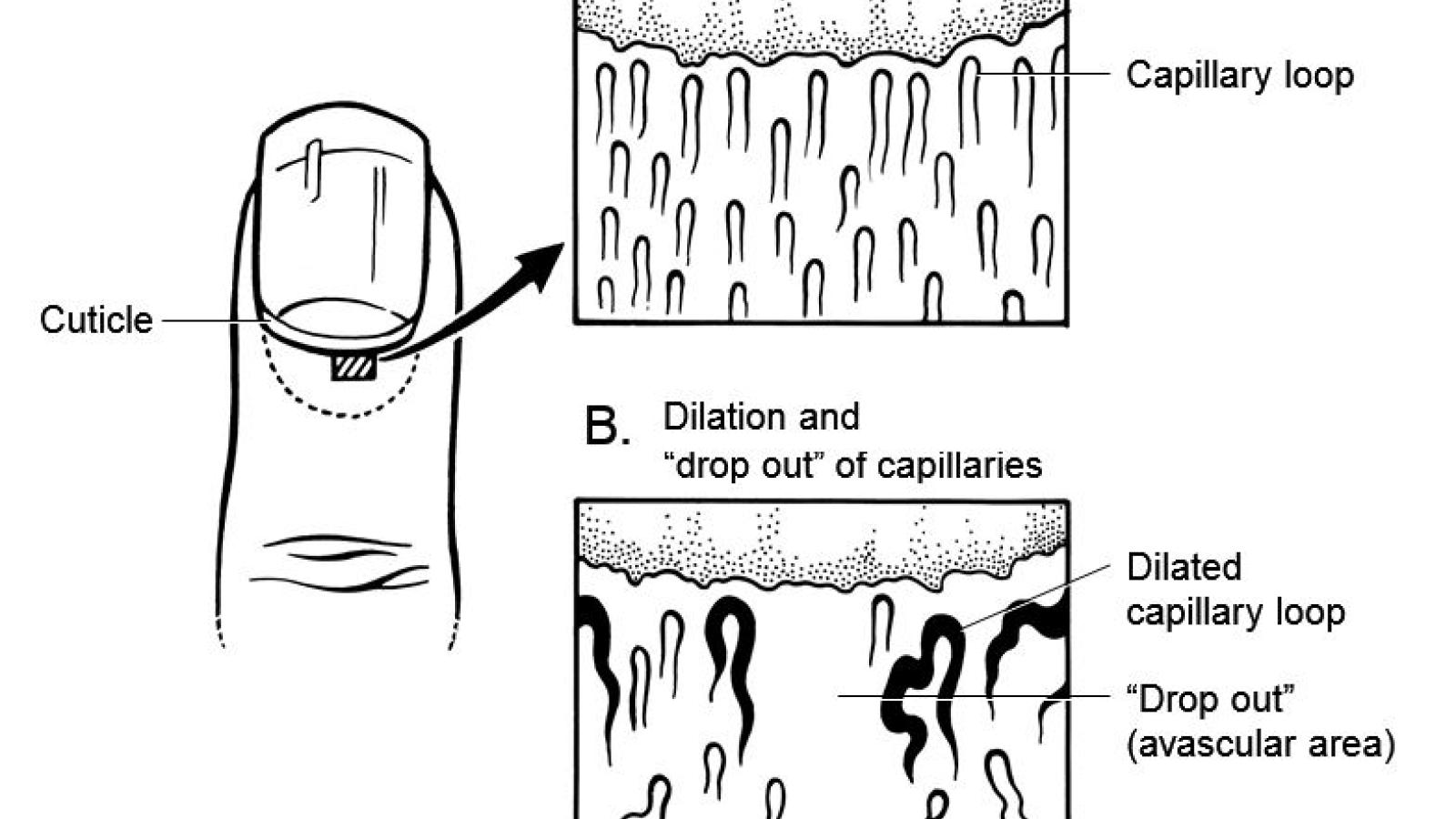
Nailfold capillaroscopy test had impressive 90% negative predictive value for Systemic Sclerosis (SSc)
Dr. Jack Cush reviews news and journal reports from the past week on RheumNow.com.

Current guidelines regarding the use of biologics in patients who have previously had a malignancy are based more on opinion than evidence.
Like the EULAR Congress of 2010, the 2016 version was in the giant ExCel center out in the Docklands area. The meeting rooms are cavernous, big as some basketball stadiums. The ExCel is so big that it is served by two stations of the DLR railroad and it is probably long enough to function as a runway with planes that fly overhead on the way to London City Airport. Ed Sullivan would have called the ExCel “really, really big.” Donald Trump would

It has long been observed that patients receiving monoclonal antibody based anti-TNF (TNFi) therapies for spondylitis or psoriatic disease have less inflammatory eye complications, such as uveitis. These agents have become common interventions based on these observational results. But now we have randomized controlled trials to prove the efficacy of TNF blockade in non-infectious uveitis.
When I was just a lad in the 1950s, I used to enjoy a television quiz show called “Name that Tune.” This popular show, which was hosted by an amiable singer and comedian named George DeWitt, had a premise that was simple but appealing. The studio orchestra would start playing the notes of a song and the two contestants would compete to see who could identify the song first, running across the stage “to ring a bell and name that tune.”

You write the prescription, hand it to the patient and explain why it’s needed, how to take it and what the most common or most dangerous side effects might be. Comprehensive, reasonable, and professional. Certainly the patient should fill the prescription and start the drug.
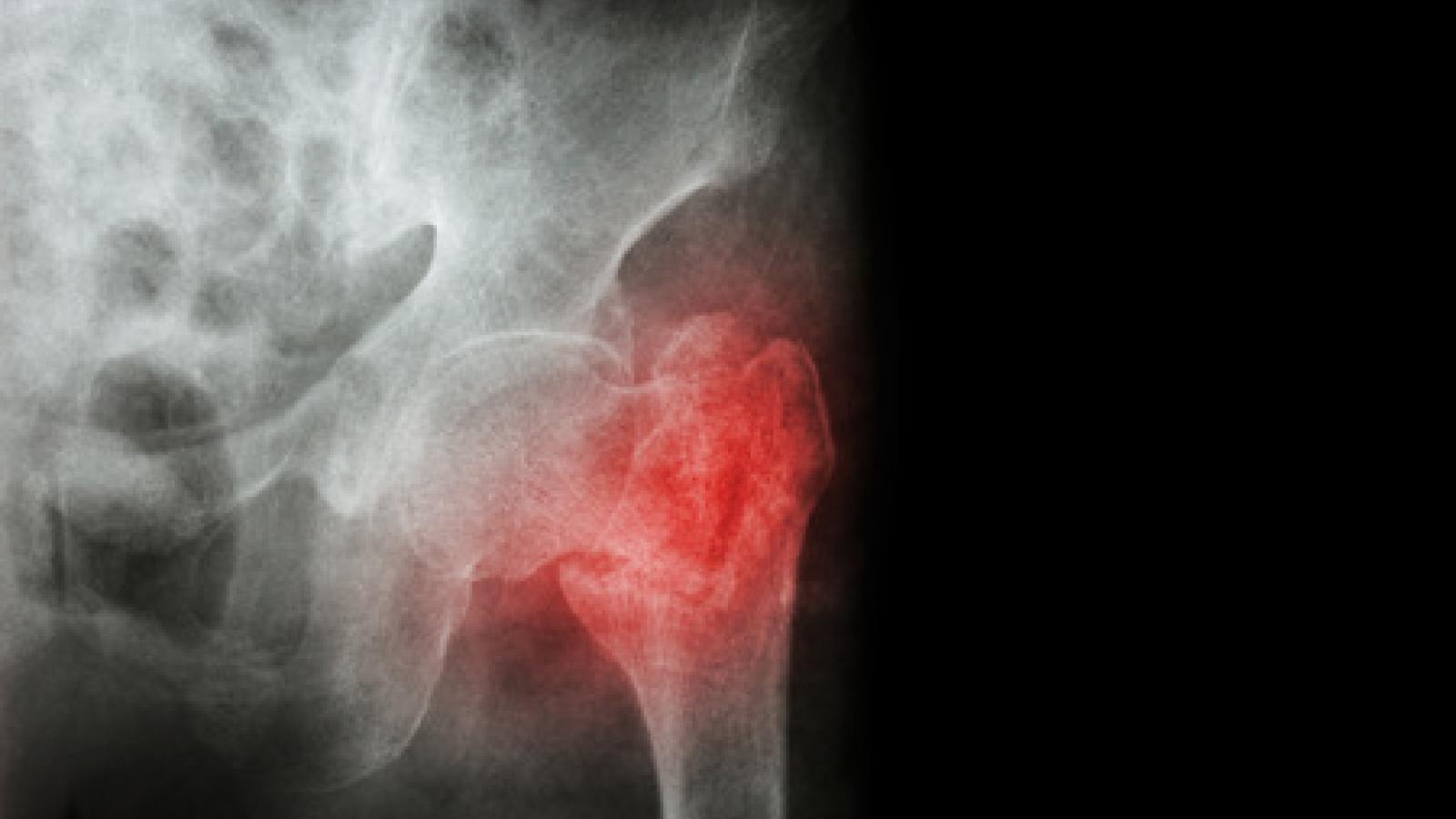
Is the occurrence of a fragility fracture a missed opportunity to reduce exposure to prescription drugs associated with fracture risk?
Patients who experience a fragility fracture are at increased risk of experiencing another one and may require more meds that may compound the fracture risk.

