
Using a metagenome-wide association study (MGWAS) of fecal, dental and salivary samples from rheumatoid arthritis and healthy controls, Zhang et al showed that gut and oral microbiomes are highly concordant and that in RA there is a distinct dysbiosis with less Haemophilus spp. (correlated with autoantibiodies) and more Lactobacillus (that correlated with disease activity). The dysbiosis was partly normalized with treatment.

Morning stiffness? An oft-asked question, but does it have reliable discriminatory value? While this was once the hallmark feature of inflammatory arthritis and has been included as a rheumatoid arthritis criteria back to the days of Steinbrocker, it is no longer apart of the ACR/EULAR criteria for RA.

Placebos are necessary to determine the “true effect” of any medical intervention. As such, they have become the cornerstone of evidence-based medicine, randomized controlled clinical trials and novel drug development.

Idiopathic pulmonary fibrosis (IPF) is a chronic, progressive, fibrosing form of interstitial pneumonia, with poor survival rates of nearly 50% at 3 years.
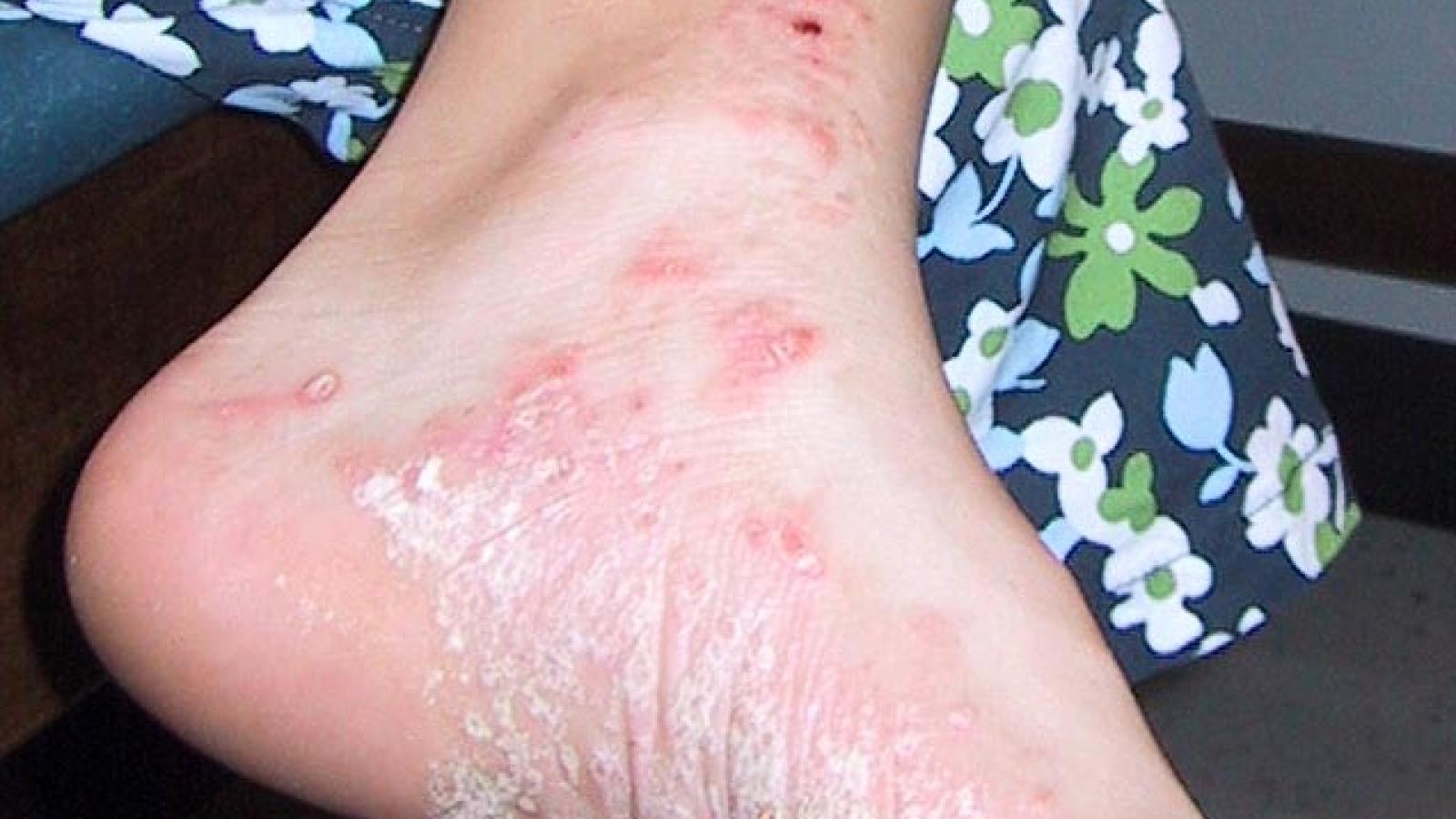
The frequency of gout among patients with psoriatic disease was studied in two cohorts of 98,810 patients from the Health Professionals Follow-up Study (1986-2010) and the Nurses' Health Study (1998-2010). (Citation source http://buff.ly/1U1wchB). Psoriasis and PsA were associated with an inceased risk of gout.
An 80 year old woman complains of 3 months of rash on her back. It is modestly pruritic. The lesions are both annular and papular appearing over her back, torso and upper arms. She also complains of pain and swelling in her fingers. She has a past medical history of heart failure, ventricular tachycardia, GERD, peripheral neuropathy, and pancreatitis from amiodarone. Her current medications include metoprolol, gabapentin, and omeprazole.
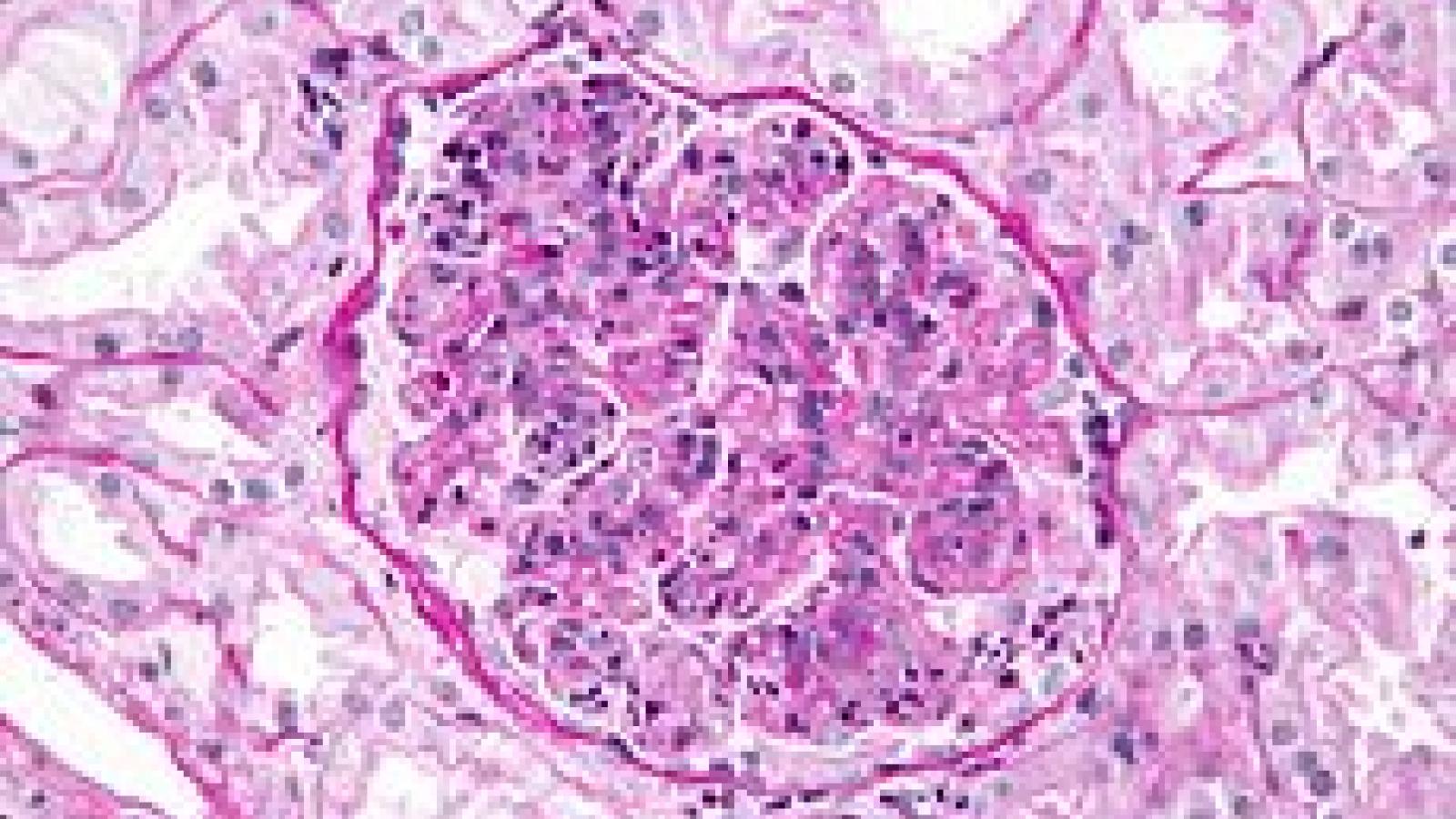
Metanalysis of nine clinical trials and 972 lupus patients examined the comparative efficacy of tacrolimus, mycophenolate (MMF) and cyclophosphamide (CYC) as induction therapy for lupus nephritis. Pairwise comparisons were performed, including 11 direct comparisons (Citation source http://buff.ly/1U1wchB).

Several news articles have addressed the rising concern by patients and physicians over the cost of newer drugs. This issue comes to a head as more than 100 oncologists from top cancer hospitals around the U.S. have issued a harsh rebuke over soaring cancer-drug prices and called for new regulations to control them. As of 2013 there are over 15 drugs costing more than $100,000 per year.

Osteoporosis is a disease characterized by increased bone loss that outpaces the grown of new bone. As a result bones become less dense and more fragile and brittle; porous bones are more prone to fracture. In fact, 1 in 3 women and 1 in 5 men are at risk of an osteoporotic fracture.

Several drugs continue to be in short supply, posing significant problems for patients. Foremost on this list is leflunomide (Arava) which is backordered for both 10 mg and 20 mg tablets.
Leflunomide Shortage
There are several options available that should be considered:
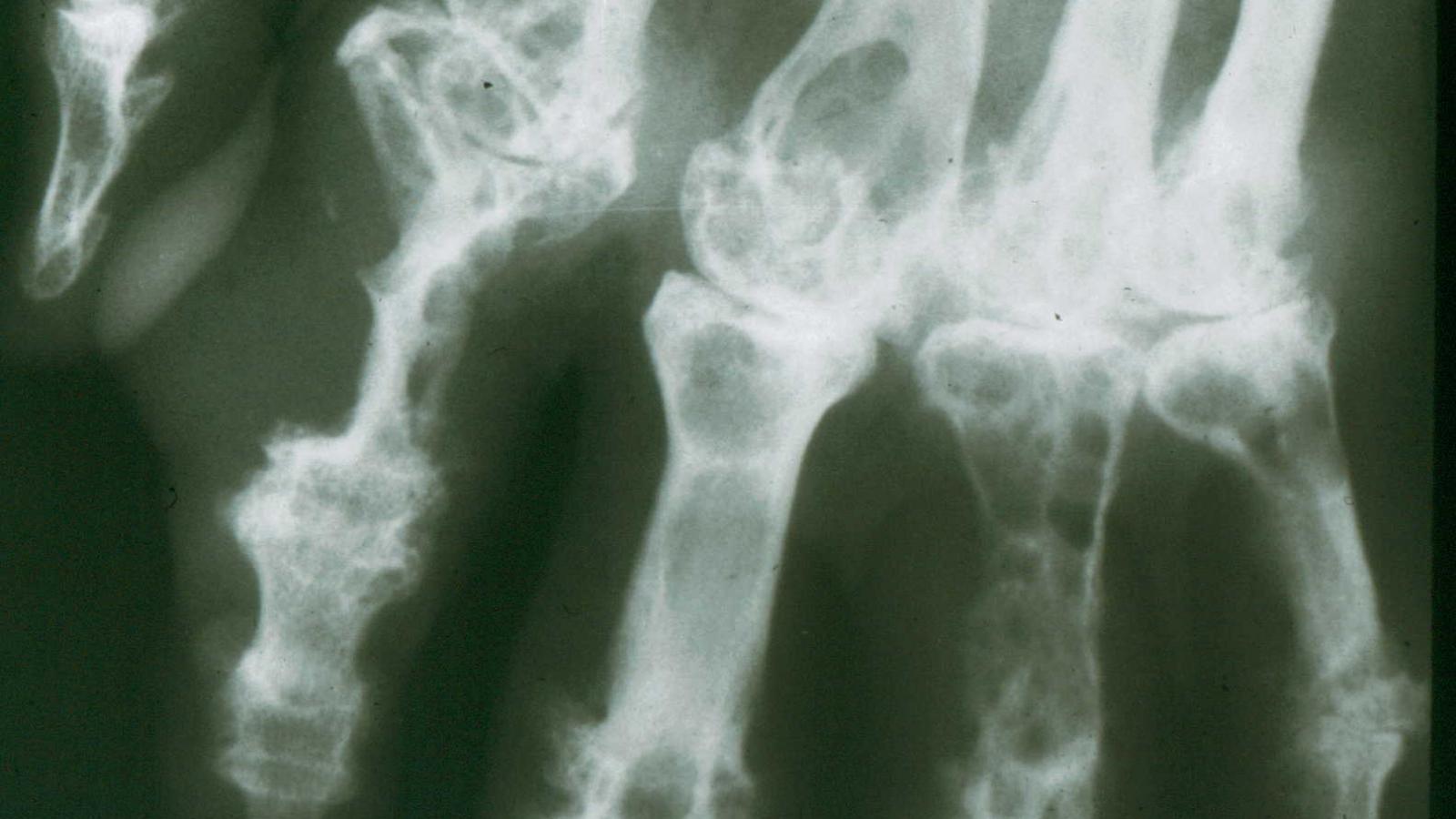
The go-to drug to treat hyperuricemia and gout, allopurinol, put patients at risk for developing hypersensitivity when American College of Rheumatology guidelines weren't followed, a large database study found.
Karmacharya and colleages have reviewed 33 cases of rituximab-induced serum sickness. Half of these patients had the classic triad of SS fever, rash, and arthralgia and a self-limiting course. The time to onset after infusion was greater with the first dose of rituximab compared to the second dose (mean time 10 vs. 4 days).

Recently released 2015 Medscape resident salary & debt report shows that most medical residents are satisfied with their compensation, professional relationships, and career choices.

Comorbidities often influence the choice of therapies in RA. This elderly man with hepatitis and TB needs aggressive treatment, but what drugs can reasonably be considered?

At EULAR 2015, Brouwer and colleagues reported on their cohort of 162 evaluable pregnancies in 239 Dutch women enrolled during 2002-2010 in the nationwide Pregnancy-Induced Amelioration of Rheumatoid Arthritis (PARA) study – a large prospective cohort of pregnant RA patients. They had a mean age of 32.3 years and a mean RA duration of 4.9 years. Overall, 49.4% were nulliparous and 13.6% had suffered a previous miscarriage.

