

A randomised controlled trial of adults with recurrent low back pain (LBP) has shown that a program of progressive walking and education intervention significantly reduced low back pain recurrence.
A multicenter cohort study of systemic lupus erythematosus patients with type 2 diabetes has shown the use of sodium-glucose cotransporter-2 (SGLT2) inhibitors associated with a significantly reduced risk of lupus nephritis, dialysis, kidney transplant, heart failure, and all-cause mortality compared with no SGLT2i use.
JAMA reports a cohort study that investigated the association between methotrexate (MTX) use and Interstitial lung disease (ILD) in patients with dermatomyositis (DM).
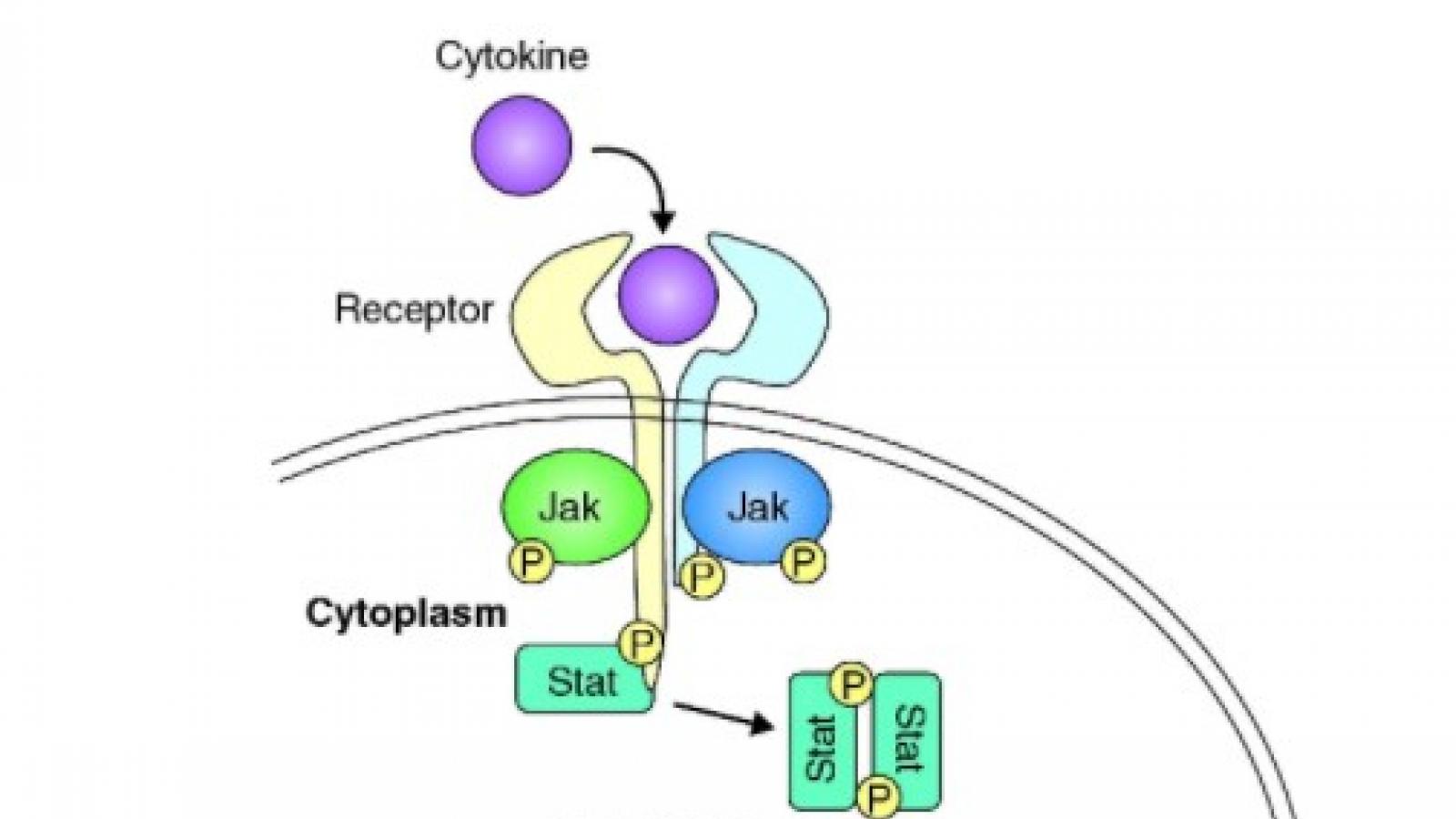
There are several new positive RCTs for JAK inhibitors. Here is a summary of trials and new indications for JAKi in GCA, pediatrics, GI, dermatology and more.

Many conventional synthetic, biological, biosimilar, and targeted synthetic disease-modifying anti-rheumatic drugs are currently commercially available for the effective treatment of rheumatoid arthritis. However, the "Holy Grail" remains the prevention of its development. During a clinical symposium at EULAR 2024 in Vienna, updates were presented on four prospective intervention trials conducted in patients experiencing joint pain without

Drs. Artie Kavanaugh and Jack Cush discuss highlights from the EULAR 2024 meeting in Vienna

As we have incorporated technology into our workflows, and consequently saved lives and suffering, we have balanced our excitement about progress with proof that incremental advances can truly deliver benefit. it is easy to let promise carry our caution away - and while most of the time such advances come in a vetted package, which we can consume without concern, conference abstracts come raw. This is the necessary ingredient to a platform

In a very interesting study at #EULAR2024, researchers demonstrated that personalized, supervised exercise therapy significantly improves physical function and quality of life for individuals with axial spondyloarthritis (axSpA) and severe functional limitations. This finding marks a critical advancement in the treatment of axSpA, particularly for patients with sustained disease activity, severe ankylosis, or significant comorbidities, who have

Childhood lupus (cSLE) is a rare multisystem disorder with significant associated morbidity, but evidence-based guidelines are sparse, and as such management is often based on clinical expertise.

Fertility in the context of RMDs is a daily concern for a lot of rheumatologists and patients.
EULAR this year proposed new fertility data, especially in Rheumatoid Arthritis, along with an update of the EULAR points to consider for use of antirheumatic drugs in reproduction, pregnancy and lactation.

With better endpoint and patient selection strategy over the last 4 years, many new therapies have met their endpoints/shown promising signal in the Phase 2 randomised controlled trials in Sjogren's disease (iscalimab, ianalumab, dazodalibep, and sequential therapy belimumab + rituximab). Since many previous studies have shown the discordance between physician assessment and patient’s symptom burden, there is a glimmer of hope with the efficacy
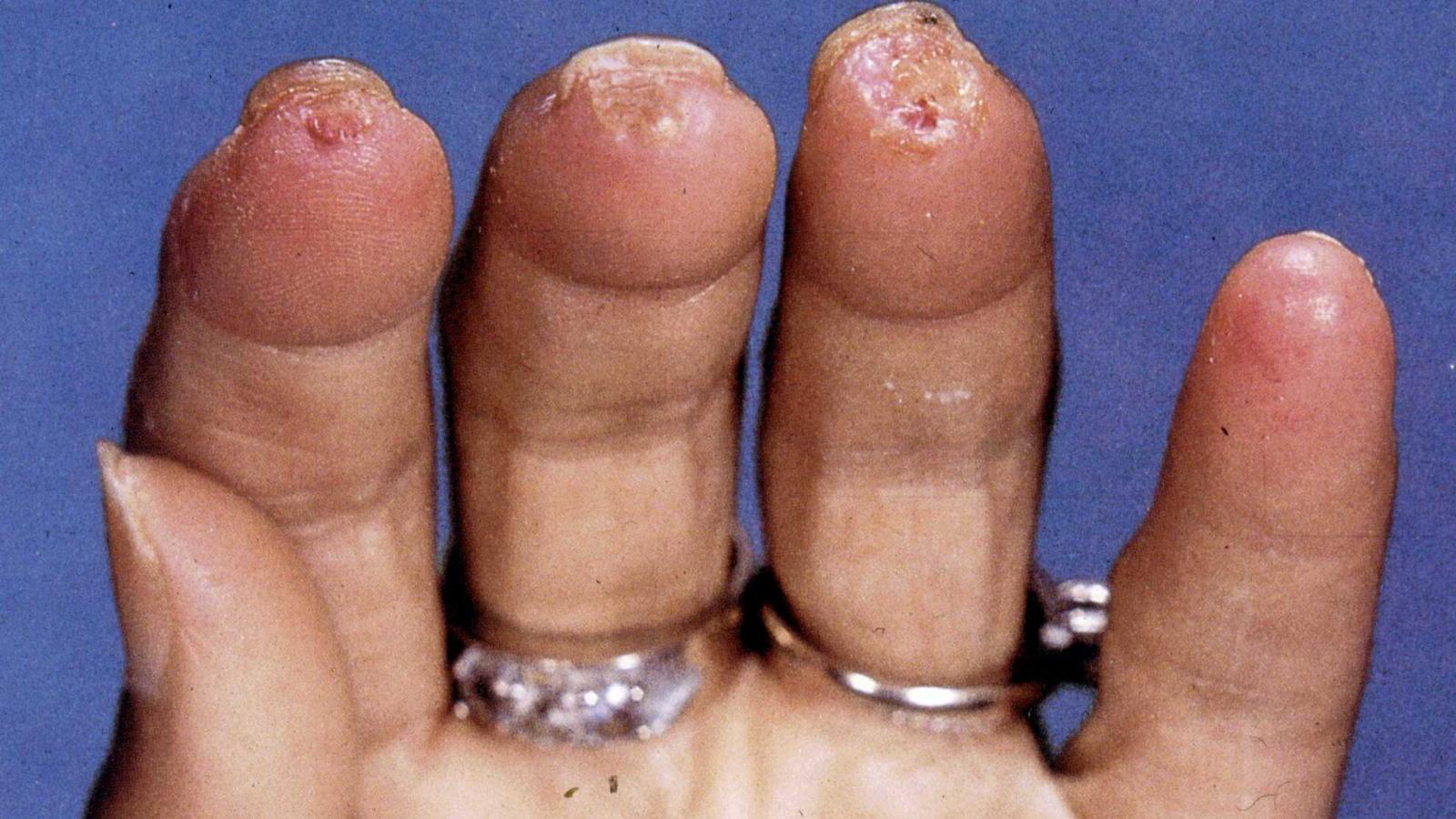
Autologous hematopoietic stem cell transplantation (aHSCT) for SSc has been proven the most effective treatment strategy with regard to overall and event free survival in selected patients.2 But a key limitation is its toxicity, and new treatment options are needed. Two abstracts presented at the 2024 EULAR congress in Vienna focused on novel approaches.
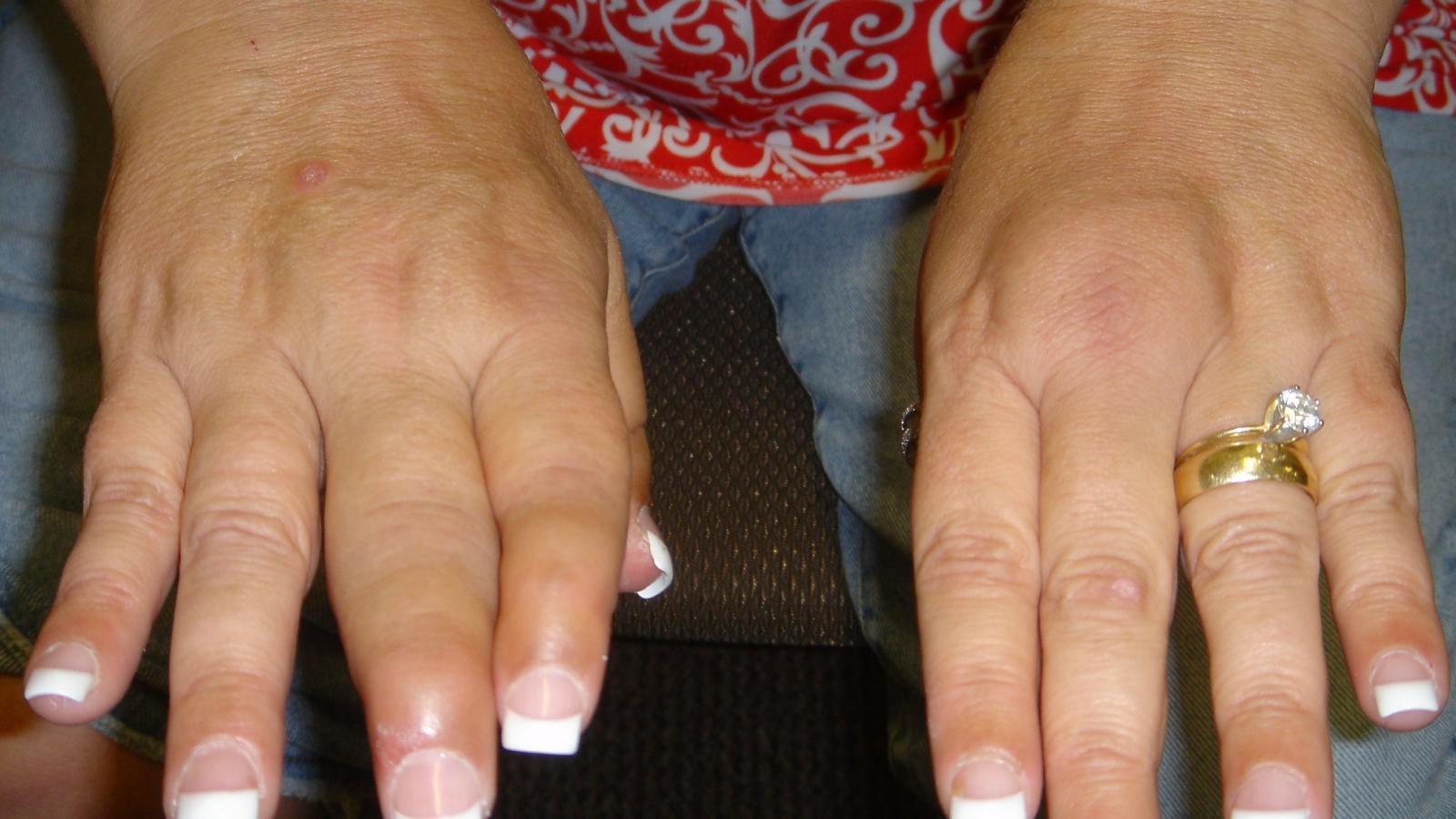
I am a big fan of animals and wildlife. Whenever I can, I try to wander outdoors to look for our friends big and small in the animal kingdom. If it rains, as often it does in the UK, the latest edition of Planet Earth will do. So, I was naturally attracted to the presentation by Professor Iain McInnes from the University of Glasgow, oral presentation OP0195 at #EULAR2024 where the link between camels and psoriatic arthritis was made.

The final day of EULAR 2024 was rich in posters, Late-breaking oral presentations and EULAR updates and recommendations. Below is a synopsis of the half-day's action.

Glucocorticoids (GC) have been the mainstay of treatment in SLE for nearly three quarters of a century. GC induce a range of anti-inflammatory effects, quickly relieve some symptoms and lower mortality in some life-threatening flares. However, they also have multiple side effects that limit the duration of treatment, as well as the dose used. Accordingly, the 2023 EULAR recommendations for SLE set a target dose of ≤5mg/day. Is low dose GC an

