

After an action packed weekend, RheumNow Live 2023 concluded on Sunday with a half-day session on systemic lupus erythematous and ankylosing spondylitis discussing many new medications that are revolutionizing rheumatology. Dr. Laurent Arnaud, a professor at Strasbourg University in France, however, took the time to review one of our oldest therapies: hydroxychloroquine.

The American College of Rheumatology guidelines for the diagnosis and management of interstitial lung disease, which includes rheumatoid arthritis interstitial lung disease (RA-ILD), has been one of the most controversial topics in the runup to ACR Convergence.
Dr. Jack Cush reviews the news and journal reports from the past week on RheumNow.com. Two major reports on fatigue and fibromyalgia misfired, and "ankylosing spondylitis" is sent to the Rheumatology dead word cemetery.

Men with axial spondyloarthritis (axSpA) were more likely than women to obtain substantial relief with tumor necrosis factor (TNF) inhibitors, a multinational study indicated.
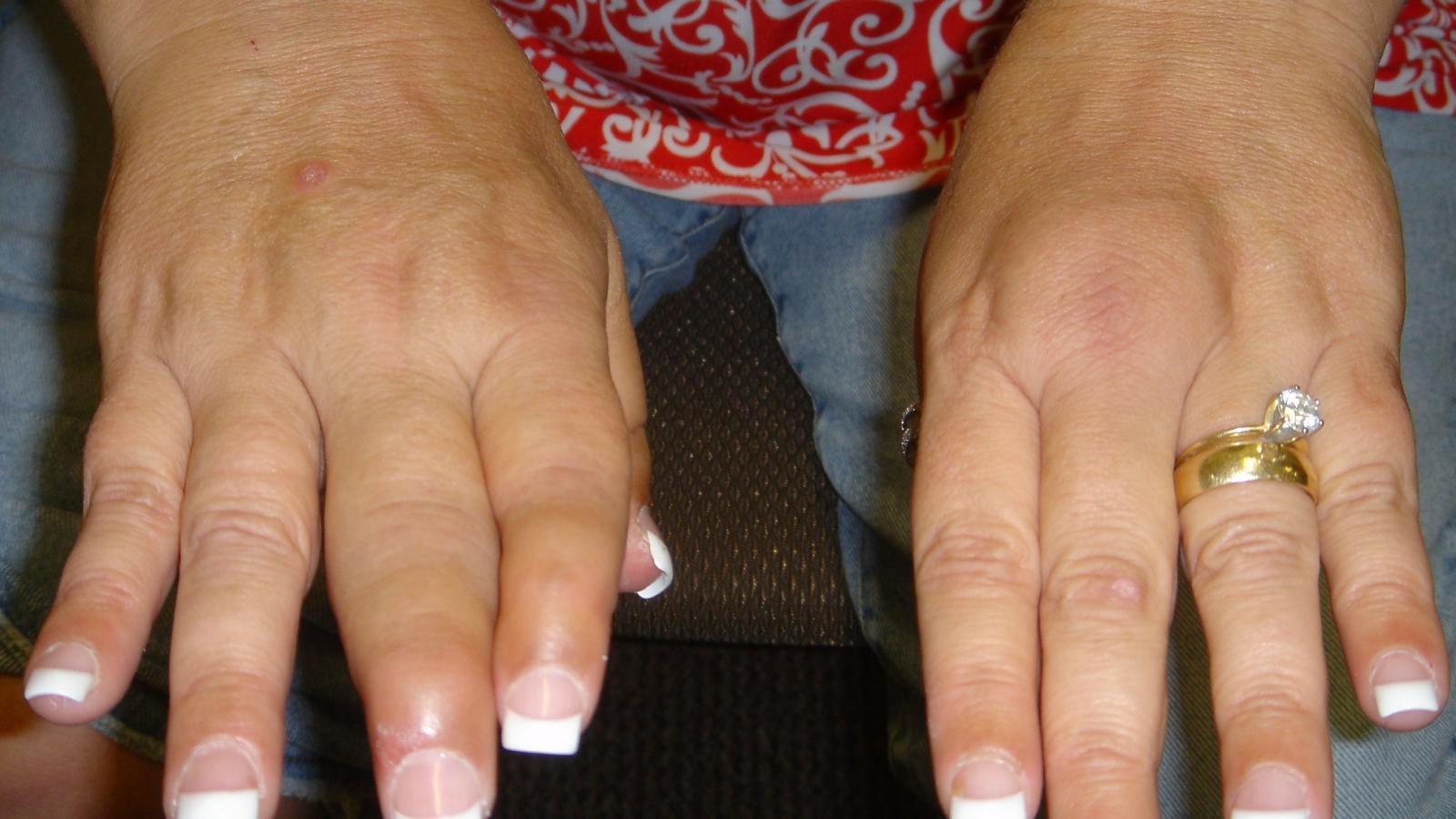
Of the many exciting advancements for patients with psoriatic arthritis at ACR Convergence, one upcoming therapy stood out: the dual IL-17A/F inhibitor bimekizumab. Nearly two dozen bimekizumab abstracts will be featured at this year’s meeting and it recently received authorization in Europe and the U.S. for psoriasis. That makes this the year I plan to figure out where this drug will be useful for my patients with PsA.
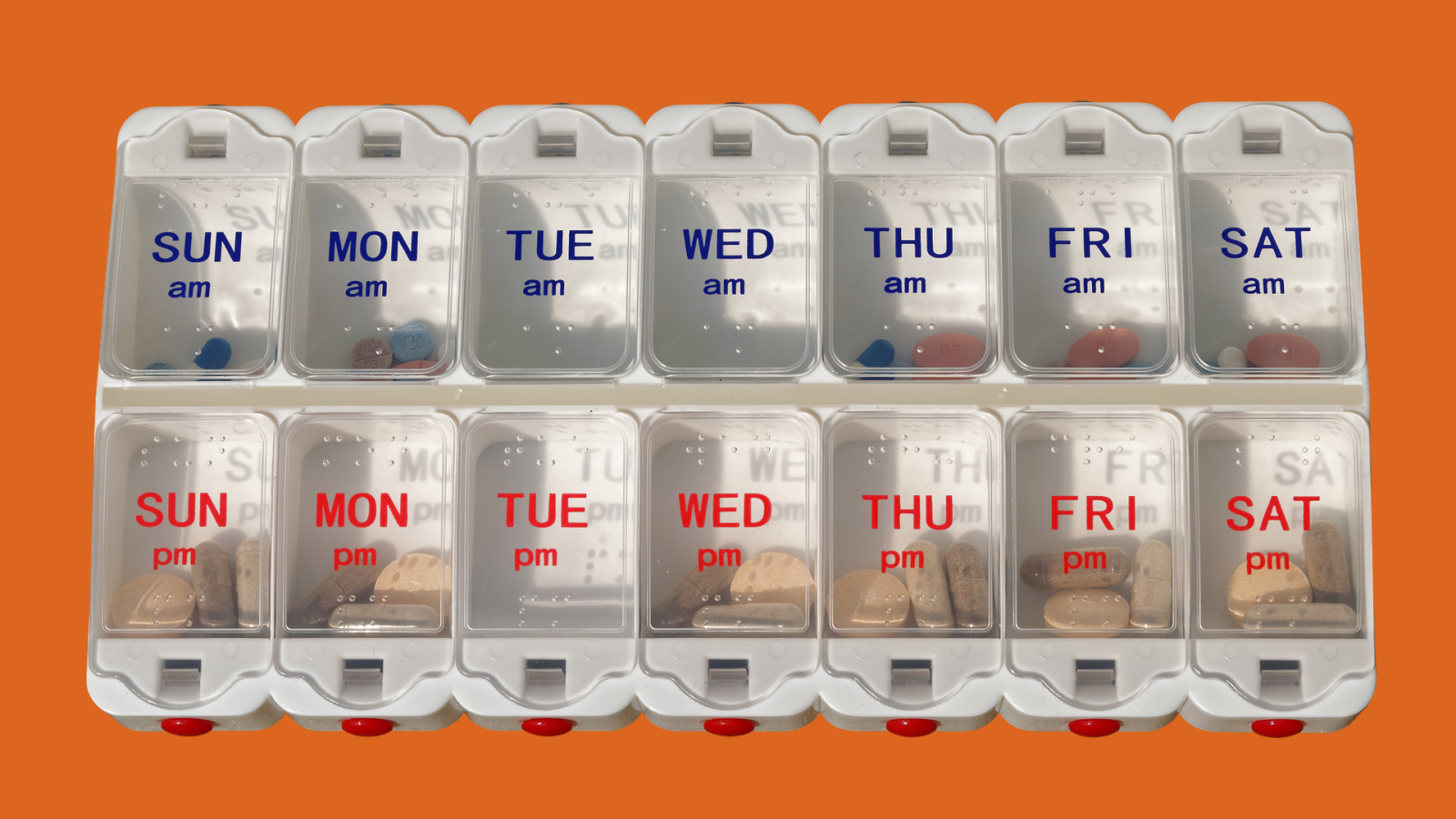
Methotrexate is widely used in rheumatic diseases yet poses common tolerance issues, especially for the oral form; and bioavailability is known to be limited for doses over 15mg. In the SMART study, Prasad et al. present the first RCT comparing either single dose (25 mg) or split-dose (10 mg morning, 15 mg evening, same day) once weekly MTX for 24 weeks.

Over the years of navigating the annual meeting, I found the sessions with the most impact to my practice were the Plenary Sessions. During these sessions, the latest research is presented, new ideas are floated, and old myths debunked. Here are the top ACR2023 Plenary abstracts I found impactful for my practice.

Pregnant women with autoimmune rheumatic diseases (ARDs) and antiphospholipid syndrome (APS) face significantly increased risks of cardiovascular events (CVEs). This increased risk is often attributed to ARDs, its medications or comorbidities associated with it.

Fatigue is highly prevalent in inflammatory rheumatic and musculoskeletal diseases (I-RMDs) patients, is often unaddressed and yet it has significant effects on patient quality of life. A EULAR task force set out to develop recommendations for the management of fatigue in people with I-RMDs.

We have known about the VEXAS (vacuoles, E1 enzyme, X-linked, autoinflammatory, somatic) syndrome for nearly 3 years, but there has been relatively little to say about how to treat it. To date there have been over twice as many publications about VEXAS (263 publications) as there have been patients described with respect to treatment strategies (116 patients). One of the late breaking abstracts may finally have rectified this imbalance.

Acute anterior uveitis is the most common extra-musculoskeletal manifestation in axial spondyloarthritis (axSpA) affecting up to 50% of patients in some age groups. AAU can have a significant impact on quality of life with risk of permanent visual deficits if not adequately treated.

The current CDC report estimates that 1.3% of adults had myalgic encephalomyelitis/chronic fatigue syndrome (ME/CFS), based on the most recent population based National Health Interview Survey (NHIS 2021–2022).

Cancer risk minimisation is a high priority for people with rheumatic diseases, as it is for the general population. Tumor necrosis factor inhibitors (TNFi) have a long history of association with cancer risk discussions. An oral presentation by Suarez-Almazor et al provided more supportive data on using TNFi in this population.

In Abstract 0850, Dr. Andrea Fava from Johns Hopkins presents research on the value of urinary biomarkers as measure of intrarenal inflammation.

For over 70 years, glucocorticoids, (GC) have been a part of standard therapy in SLE. They are classically used to not only induce remission or treat an acute flare, but also as maintenance therapy. They are a valuable 'friend' if used wisely, and can become a 'foe' if used excessively.

