

A recent CDC reports estimates that in 2019–2021, 21% of U.S. adults (53.2 million) have physician diagnosed arthritis. Now, an updated report shows a larger number (~33%) of U.S. veterans having diagnosed arthritis. Compared to nonveterans, this prevalence was double in men, and 60% higher in women.
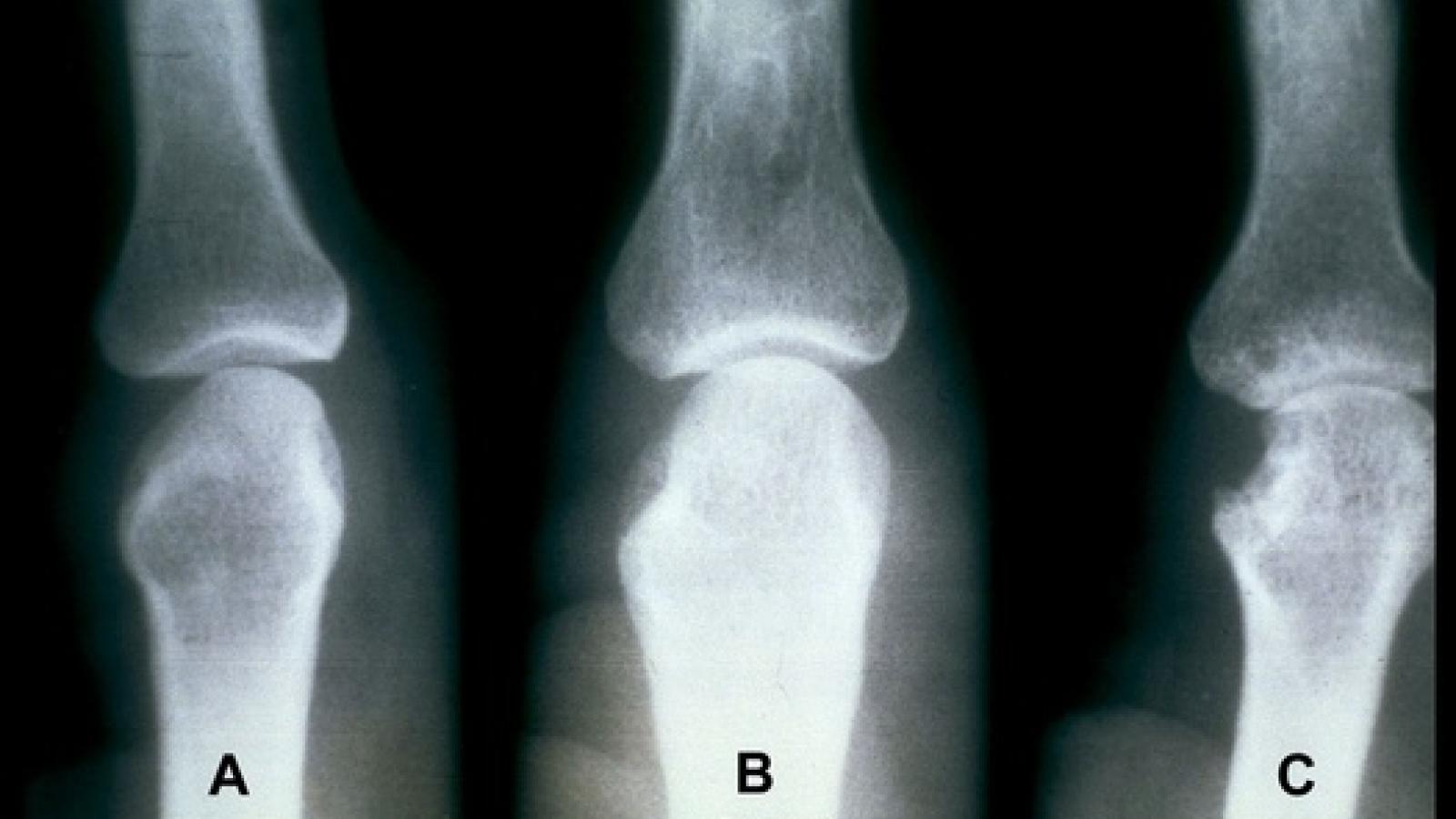
The American College of Rheumatology's (ACR) has published a preview of new research from ACR Convergence 2023 showing that AI and a deep learning system could accurately identify and predict joint space narrowing and erosions in hand radiographs of patients with rheumatoid arthritis (RA).

Routine hand and foot radiographs in more than 700 patients being evaluated for rheumatoid arthritis (RA) made almost no difference in diagnosing the condition nor in predicting its course, Dutch researchers said.

A study of nearly 80,000 US veterans who underwent primary knee joint arthroplasty (TKA) showed the incidence of prosthetic joint infection (PJI) was highest in the first 3 months and remained elevated through 12 months compared with 12 months or more after surgery. Gram-negative organisms were more prevalent in early vs delayed or late PJIs.

I recently overheard a very good practicing rheumatologist complain, “why do I need yet another drug for psoriatic arthritis? I have more treatment choices than I have actual PsA patients who need a new or better drug”.

The American College of Rheumatology (ACR) expressed concern that the conversion factor included in the Centers for Medicare and Medicaid Services (CMS) CY 2024 Medicare Physician Fee Schedule and Quality Payment Program final rule is insufficient to address rising inflation.

A prospective study of first line use anakinra in systemic juvenile idiopathic arthritis (sJIA) proved to be effective and without potentially allergic lung reactions.

Dr. Jack Cush reviews the news, journal reports and regulatory approvals from the past week on RheumNow.com.
Study of LATE-onset RA (>65y), shows DMARD initiation is low in LORA; despite current clinical practice guidelines recommending early aggressive Rx. Among 3,373 LORA pts (age77 yrs), only 29% initiated on a DMARD. https://bit.ly/47dT6x6
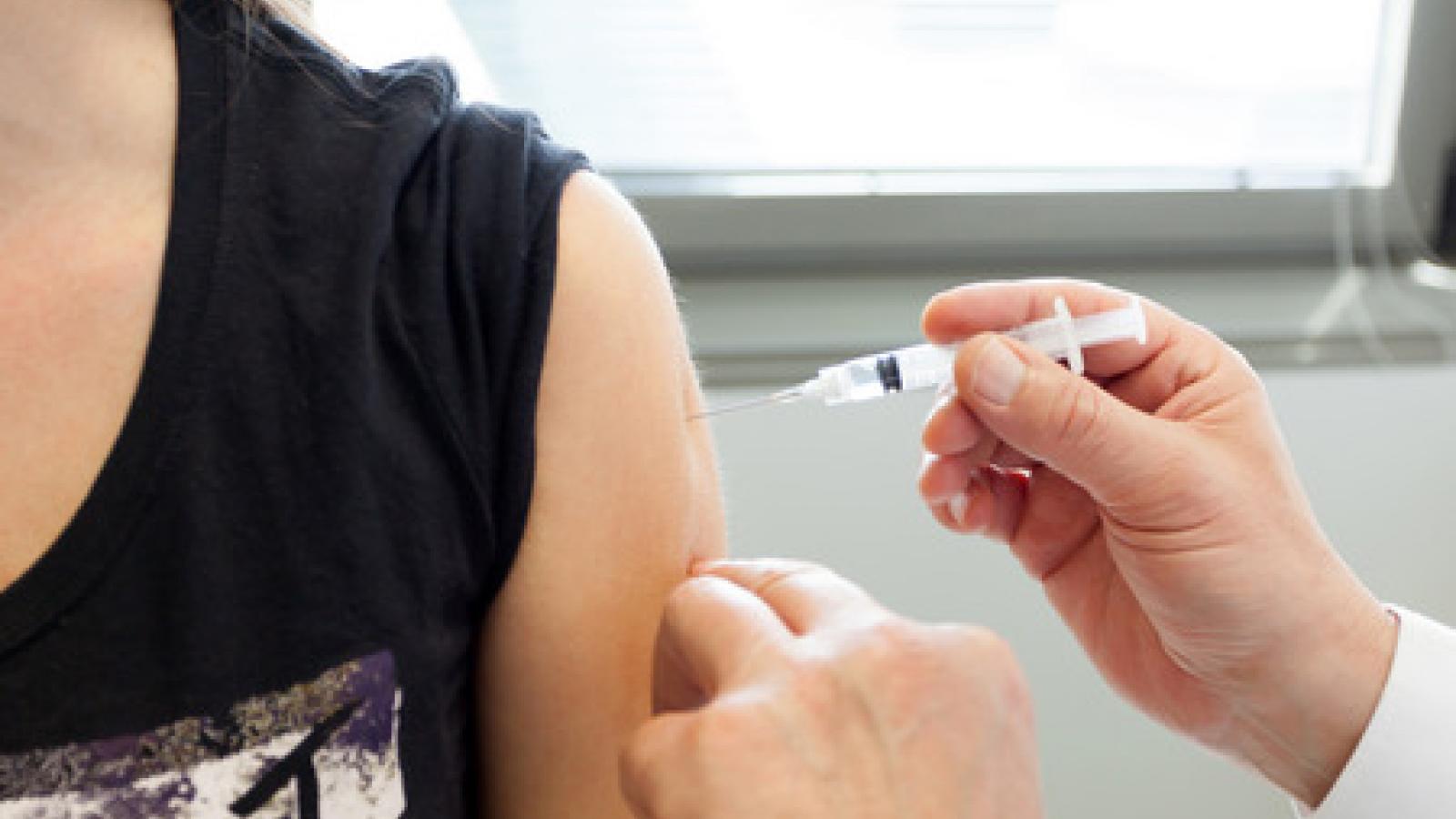
JAK inhibitors are known to increase the risk of herpes zoster infections between between 3-5 fold. Two recent reports suggest variable efficacy when JAK inhibitor (JAKi) treated patients are vaccinated with the recombinant herpes zoster subunit vaccine (RZV).

Safety risks found in a postmarketing trial with the Janus-associated kinase (JAK) inhibitor tofacitinib (Xeljanz) appear to have influenced prescribing patterns across the class for rheumatoid arthritis (RA) patients in the Veterans Affairs (VA) health system, researchers found.

A JAMA systematic review and meta-analysis has showed the use of JAK inhibitors (JAKi) in immune-mediated inflammatory skin diseases was not associated with increased risk of all-cause mortality, major adverse cardiovascular events (MACE), or venous thromboembolism (VTE) (compared to the placebo or active comparator cohorts).
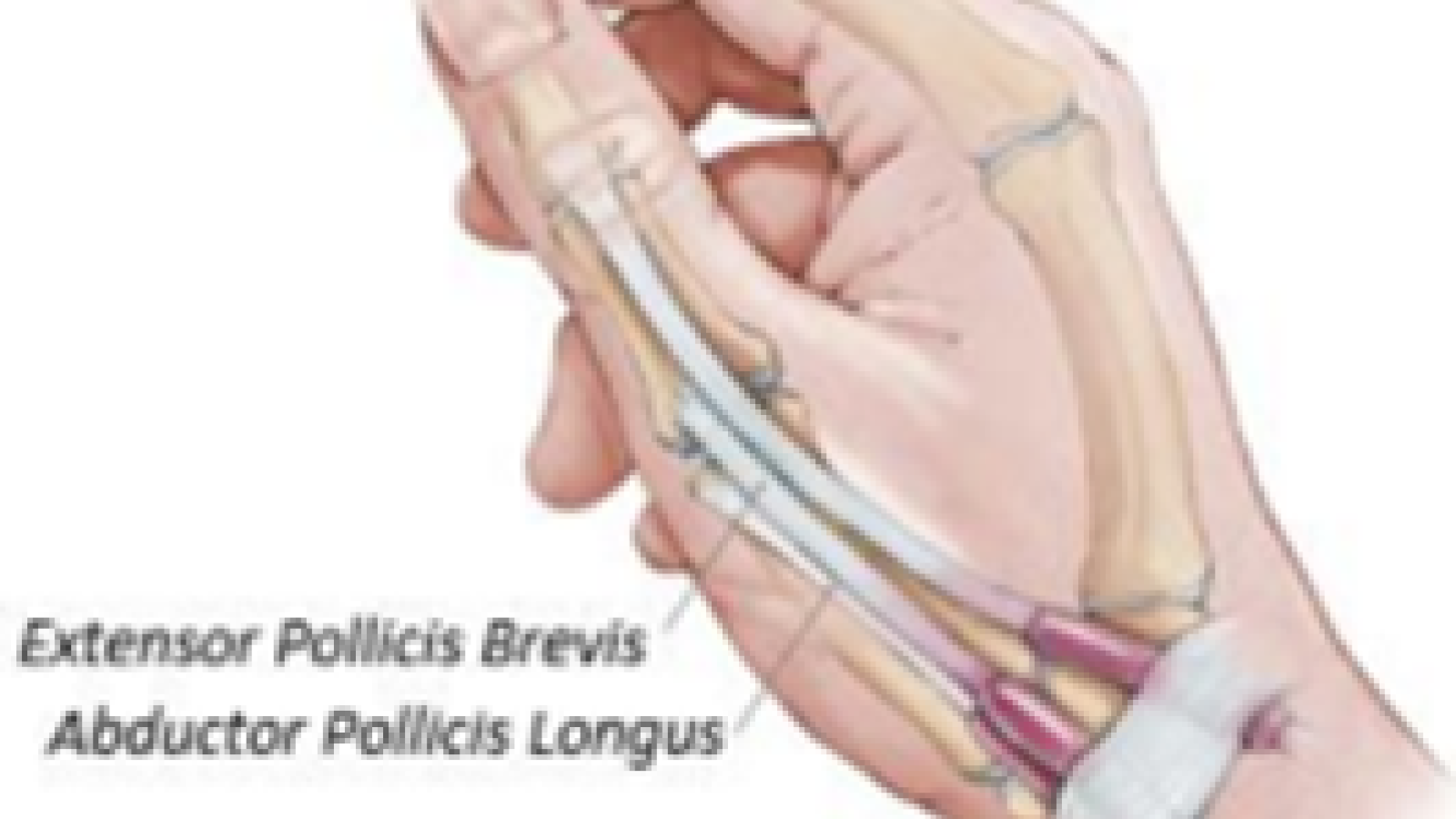
The treatment of de Quervain tenosynovitis (DQT) was examined by systematic review in JAMA, suggesting that local (US-guided) corticosteroid injection plus a thumb spica immobilization was associated with significant pain-relieving and functional benefits.

Even though polymyalgia rheumatica is not perceived by many physicians as a severe diagnosis, its diagnosis and management actually propose significant challenges. I'd like to talk about those challenges, and what directions our path forward can include to advance our understanding and improve the treatment of patients who have PMR.

Over the past year we have implemented a fast track clinic for PMR at our institution in Dublin. Patients are referred predominantly from primary care, and we aim to see patients within a one to two week window. Without a doubt, patient outcomes are far superior with the instigation of the fast track clinic as part of our service.

Despite the official recognition of PMR as a distinct disease more than 60 years ago, patients with PMR are still largely treated with steroids (glucocorticoids, mostly prednisone). The persistent broad use of glucocorticoids in PMR is related to their quick initial efficacy in the majority of patients with PMR, their low price and the lack of alternative treatments and paucity of glucocorticoid-sparing treatments.

