

UCB announced today that the US Food and Drug Administration (FDA) has approved bimekizumab-bkzx (Bimzelx)) for the treatment of moderate to severe plaque psoriasis in adults who needing systemic therapy or phototherapy.

I'd like to discuss the similarities between polymyalgia rheumatica and palindromic rheumatism. And in doing that, highlight how these similarities help us understand the relationship between polymyalgia rheumatica and rheumatoid arthritis. Perhaps not everybody watching this will be very familiar with palindromic rheumatism. It is considered uncommon, but every rheumatologist sees it in their practice.
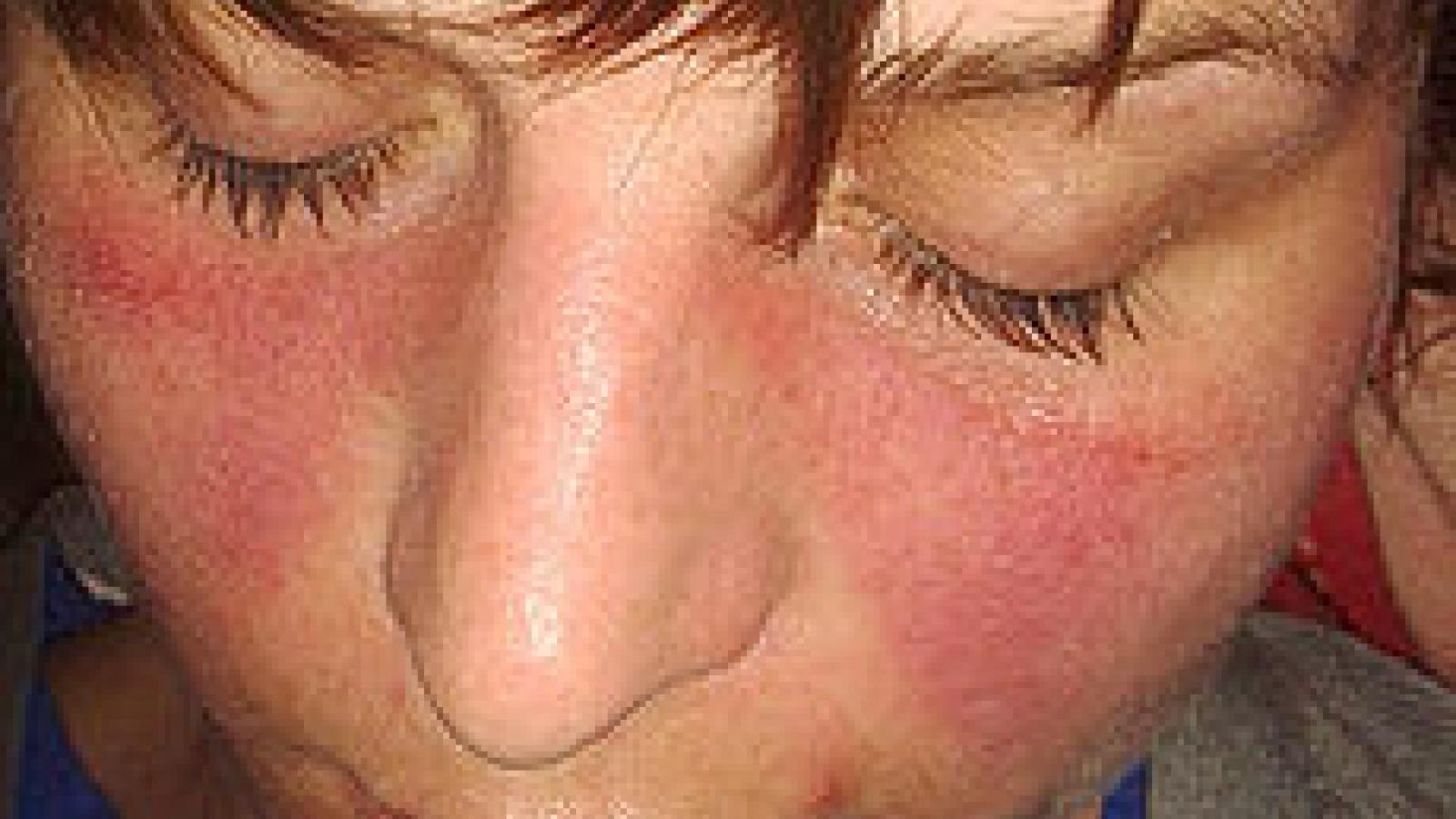
EULAR has published updated recommendations for the management of systemic lupus erythematosus (SLE) based on new evidence and expert opinion - formulationg five overarching principles and 13 recommendations.
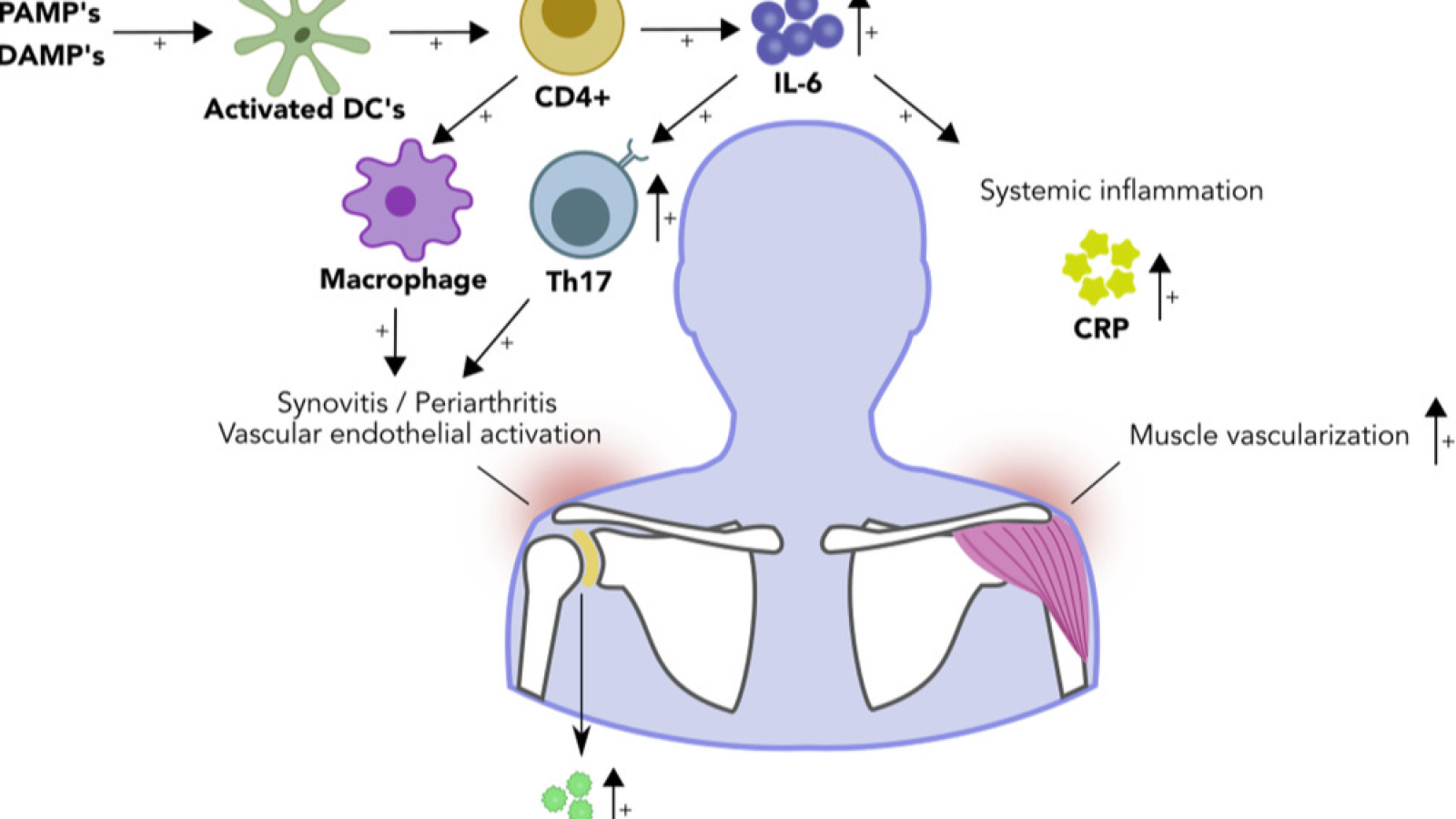
Polymyalgia rheumatica (PMR) is a common inflammatory rheumatic disease. The exact trigger for PMR onset remains unknown. However, immunology studies and clinical trials with biological DMARDs now shed light on the immune pathways involved in PMR.
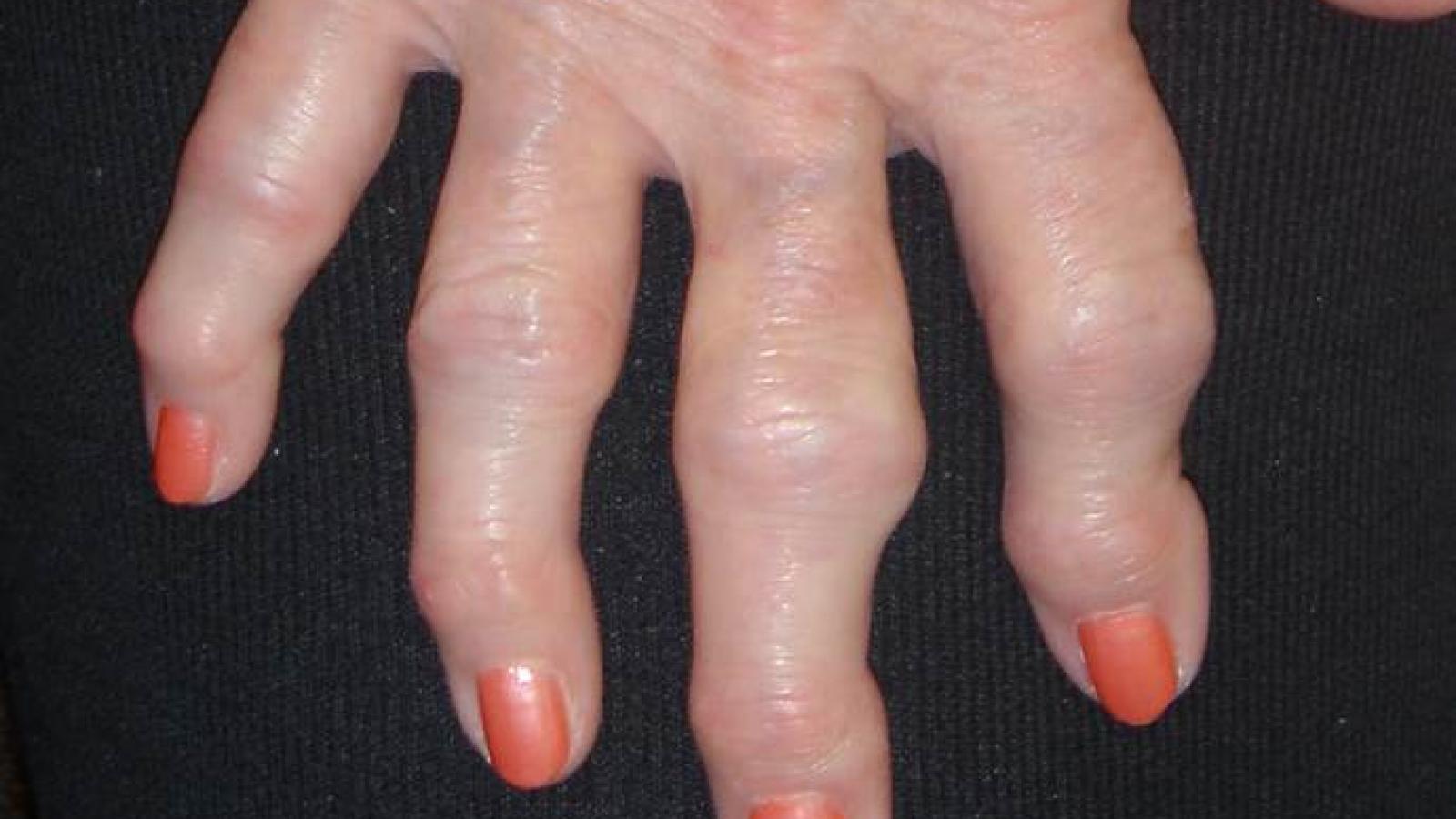
Lancet reports the results of the METHODS study from Australia where hand osteoarthritis (HOA) patients benefitted from 6 months of methotrexate (MTX) - as long as there was MRI synovitis!
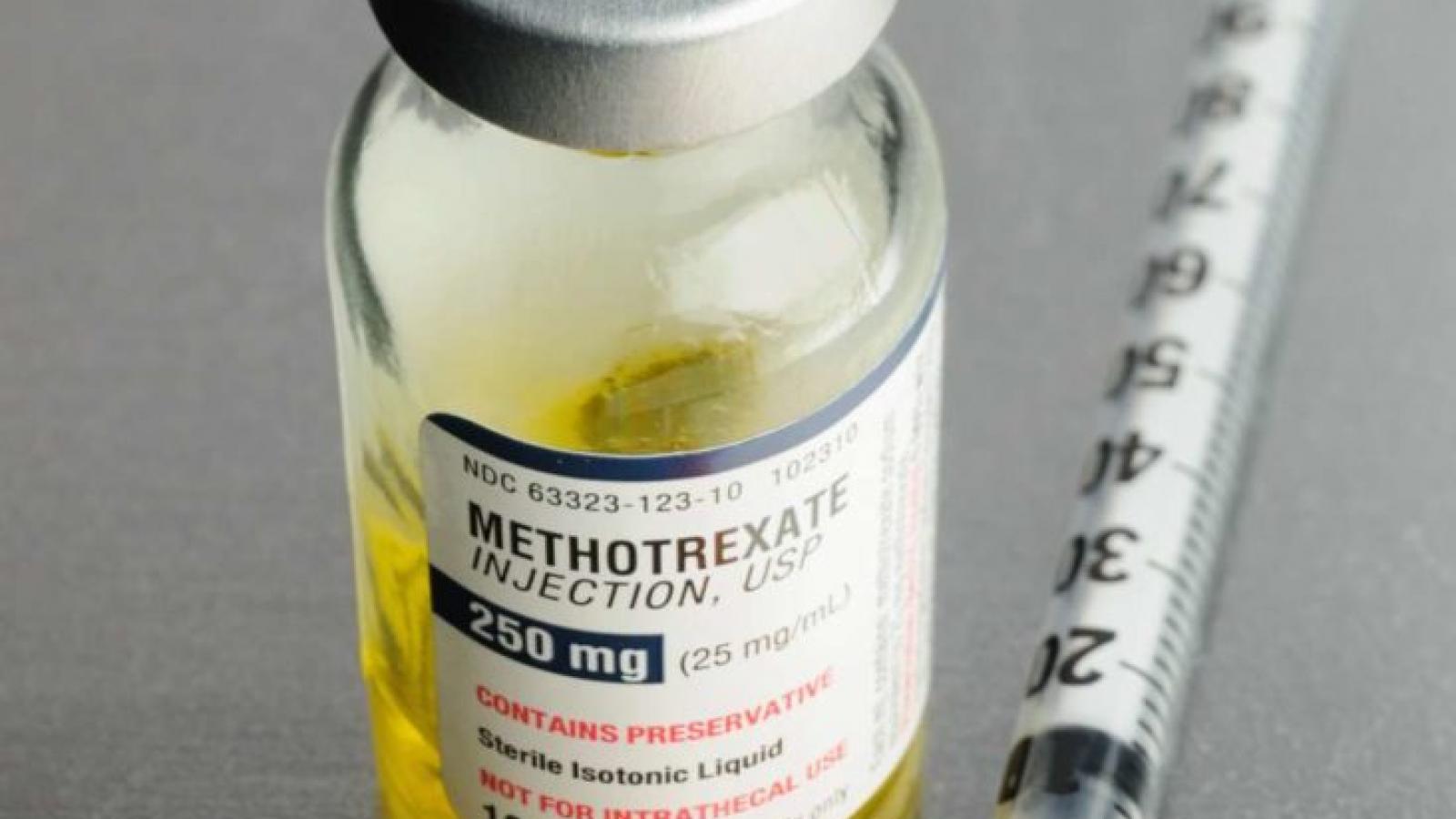
Treatment of PMR is still largely based on glucocorticoids. Where in other inflammatory rheumatic disorders, such as RA and PsA, early initiation of methotrexate is common practice, this is not the case in PMR.

Dr. Jack Cush reviews the news, journal reports and regulatory approvals from this past week on RheumNow.com.
Full Read review of #PMR in Lancet: - Start @ 12·5–25mg prednisone qd - Remission in most but, relapses in 40–60% - Onset sudden; AM stiffness predominates; Shoulders>Pelvic ~50% have distal MSK Sxs - US: look for B/L sub-acromial/deltoid bursitis https://t.co/GJDGjOD7oX

In this Tuesday Night Rheumatology webinar, the panel discussed the use of corticosteroids in patients with polymyalgia rheumatica. Panelists: Drs. Lindsay Lally, Richard Conway and Max Yates. Moderated by Dr. David Liew.

It is important to clarify that frailty is not a synonym of age (chronological age). Although there are only a few studies studying the impact of frailty in PMR, frailty is a relevant issue due to several important factors.

This week the CDC's MMWR reports that during 2019–2021, 21.2% of U.S. adults (53.2 million) reported "diagnosed arthritis". And that over half (52.2%–62.4%) of adults with self-reported dementia, chronic obstructive pulmonary disease, stroke, heart disease, diabetes, or cancer also report having been diagnosed with arthritis.

It's exciting to be able to have this conversation because it's only in the past year that we have an approved non-corticosteroid therapy for PMR that's been shown to be effective in a well done clinical trial.

On Oct. 6, 2023, Novartis announced the US Food and Drug Administration (FDA) approved an intravenous (IV) formulation of secukinumab (Cosentyx) for use in treating adults with psoriatic arthritis (PsA), ankylosing spondylitis (AS) and non-radiographic axial spondyloarthritis (nr-axSpA).

In patients with rheumatoid arthritis (RA) treated with infliximab (Remicade), increases in body mass index (BMI) scores over time were not associated with increased disease activity or faster radiographic progression.
In fact, erosions were less severe in those with rising BMI, according to Theresa Burkard, PhD, of Eidgenössische Technische Hochschule Zürich in Switzerland, and colleagues.

Please don’t tell your patient that PMR “typically” lasts two years. According to real-world data from the UK, one in four patients with PMR is prescribed steroids by their primary care physician for over four years. But nobody tells them this at the start, and that causes big problems later on.
Dr. Jack Cush reviews the big PMR reports from this week along with other journal reports from RheumNow.com.

