
News
Seronegative RA Disease Activity (7.17.2026)
Dr. Jack Cush reviews the news, journal articles and Gout features from this past week on RheumNow.com.
ACR: Medicare Cuts for Physicians Highlight Need for Reform
ACR
The American College of Rheumatology (ACR) was disappointed that the proposed Medicare Physician Fee Schedule (MPFS) from the Centers for Medicare & Medicaid Services (CMS) once again included a serious cut to the conversion factor.
The Marriage between Gout and the Kidney
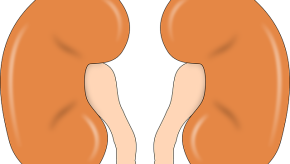
While the link between uric acid and gout was first described by Alfred Baring Garrod in the 1800s, the proof that uric acid might actually be the cause had to await the self-experimentation of two rheumatologists from the University of Pennsylvania. Given some comments that the presence of urate crystals in synovial fluid might just be a bystander phenomenon, they decided to inject monosodium urate crystals in one knee and water in the other, and both suffered severe attacks of gout in the urate crystal injected knee.
ACP Position Paper on Dietary Supplements
More than half of U.S. adults use dietary supplements, yet only a quarter use supplements recommended by a healthcare professional, and current law lets supplements reach the market with no premarket safety evaluation, unlike drugs or food additives.

Gout in Minority Populations
Gout is the most common inflammatory arthritis, but its burden is not shared equally across populations. Recent research has revealed substantial racial and ethnic disparities in both who develops gout and the care patients receive. These differences reflect not only genetic susceptibility but also the substantial influence of social determinants of health, healthcare access, and environmental exposures.
Why Do Gout Flares Start at Night?
The striking propensity for gout flares to initiate at night has been recognised for centuries. In 1683, Thomas Sydenham famously observed that the typical patient "goes to bed and sleeps in good health" only to be awakened around 2:00 AM by excruciating pain.

Guidelines to Spot Cancer in High Risk Dermatomyositis
MedPage Today
Gout Imaging in Care
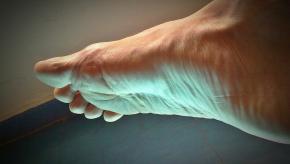
Gout is all about the crystals and the consequences of the disease are due to the inflammation they cause.
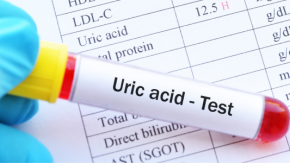
Saliva and Uric Acid Testing
A recent report from China reaffirms the potential utility of salivary uric acid (UA) testing delivers smartphone-guided, enzyme-free gout screening at home for pennies per test.
Gout Cavalcade (7.10.2026)
Dr. Jack Cush reviews the news, journal articles and regulatory decisions from the past week. July is Gout: More than Flares month.
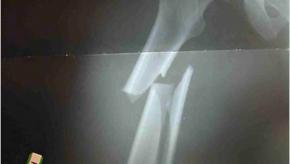
Do we need Better Strategies to Prevent Osteoporotic Fractures?
In a recent JAMA Viewpoints article, Dr. Susan Ott addresses several controversies in preventing osteoporosis (OP) related fractures.
CAR-T Therapy: EULAR 2026 Conference Recap
CAR-T therapy in autoimmune disease is moving fast - but is it ready to move beyond specialized referral centers? This EULAR 2026 recap covers the mechanistic data, relapse biology, and access innovations shaping that answer.
FDA Delays Gout Drug NASP with Complete Response Letter
At the end of June, Sobi was awaiting an FDA decision on its Biologics License Application (BLA) for NASP (nanoencapsulated sirolimus plus pegadricase) for the treatment of adult patients with uncontrolled gout. On June 26, 2026, SOBI received a Complete Response Letter from the U.S. FDA that will delay a decision on NASP, pending the company's answer to questions regarding the drugs manufacturing at a 3rd party facility in China.