


News

Rheum Views on the Upside and Downside of COVID-19
The world has been turned upside down in the last 6 weeks. Medicine and rheumatology have certainly changed – a frightening experience for Chicken Little, a disaster for the pessimist, a challenge for the pragmatist and an opportunity for the optimists amongst us. Last week I asked our audience to tell me their “upside or downside of COVID-19”. Read on to see how your peers have operating or thinking.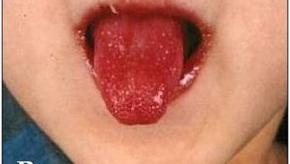
Rare Inflammatory Syndrome in Kids with COVID-19
Pediatricians are asking the question - could this be a rare manifestation of COVID-19 in children?

IL-6 Inhibitors May Benefit COVID-19 Infection
In the last few days there have been encouraging "preliminary" reports that IL-6 inhibition by either tocilizumab or sarilumab may be efficacious in patients with severe coronavirus infections.
TNF Inhibitors Reduce and Stabilize Coronary Plaque
Arthritis & Rheumatology reports that biologic (bDMARD) use in rheumatoid arthritis may decrease cardiovascular disease risk by retarding coronary plaque formation and progression (especially non‐calcified and low‐attenuation plaque).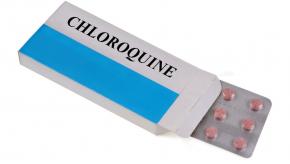
High Dose Chloroquine Harmful in Severe COVID-19
JAMA Open Network reports an interim analysis of the Brazilian CloroCovid-19 trial showing thta higher doses of chloroquine (CQ) in the treatment of severe COVID-19 was associated with QTc interval prolongation and increased mortality.

RheumNow Podcast – In Times of Trouble (4.24.20)
Dr Jack Cush reviews the news, journal reports, twitter feed and COVID developments from the past week on RheumNow.com

Potential Role of B Cells in COVID
A pre-proof letter to the editor in the Journal of Allergy and Clinical Immunology presents a series of patients with immunoglobulin deficiency disorders and how they differentially responded when infected with the coronavirus. They identified seven Primary Antibody Deficiencies patients with COVID-19 infection; five affected with Common Variable Immune Deficiencies and two affected with Agammaglobulinemia, one with X-linked Agammaglobulinemia and one with Autosomal Recessive Agammaglobulinemia.
FDA Consumer Warnings on Cannabis and CBD
The FDA issued a new consumer update on what you need to know about Cannabis or Cannabis-derived Compounds, Including CBD. This is part of the FDA effort to answer questions about the science, safety, and quality of products containing cannabis and cannabis-derived compounds, particularly CBD.
NIH Consensus Guidelines for the Treatment of COVID-19
A National Institutes of Health (NIH) expert panel has developed consensus treatment guidelines for the management of coronavirus (COVID-19). To date no drug has been proven to be safe and effective for treating COVID-19. Moreover, they found no evidence to recommended the use of hydroxychloroquine for prophylaxis or treatment of COVID-19 outside of a current clinical trial.
TNR Grand Rounds - Moving Forward with Telemedicine
Dr. Alvin Wells gives a primer on Telerheumatology and Telemedicine in the era of COVID-19. This 1 hour Grand Rounds Presentation includes a 30 minute lecture, followed by stimulating 30 minutes of Q&A with a rheumatology attendee audience.
COVID-19 and the Slippery Road of Cytokine Storms
Early reports on the COVID-19 pandemic allude to a cytokine storm or hyper-inflammation, especially in patients who succumbed to the illness.
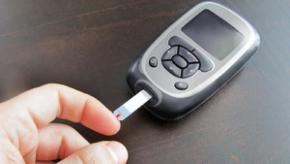
Lower Risk of Diabetes with Abatacept
Patients with rheumatoid arthritis (RA) treated with abatacept (Orencia) had a lower risk of developing diabetes mellitus compared with those receiving certain tumor necrosis factor (TNF) inhibitors, a large cohort study suggested.
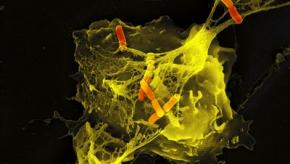
A Role for Netosis in COVID-19 Infection?
Journal of Experimental Medicine has published a paper from a consortium of researchers at Cold Spring Harbor Laboratory, the Feinstein Institutes for Medical Research, and the Research Institute of the McGill University Health Centre (RI-MUHC) on the potential of neutrophil extracellula

