


Bisphosphonates and the Risk of Osteonecrosis of the Jaw
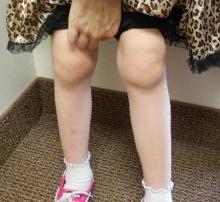
Switching Biologics in JIA
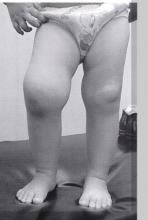
Two New Biologics for Polyarticular JIA
On Monday, November 13, there were two new presentations at the annual ACR 2016 meeting on new biologics seeking approval for use in polyarticular juvenile arthritis.
While both abatacept (ABA) and certolizumab (CZP) are currently FDA-approved for use in adult rheumatoid arthritis, further study is required before they can be considered in juvenile idiopathic arthritis (JIA).
Intra-articular Corticosteroids or Methotrexate for Oligoarticular JIA?
Golimumab Fails in Polyarticular Juvenile Arthritis
Treatment options for children with active polyarticular juvenile idiopathic arthritis (polyJIA) have lagged behind that seen with adult rheumatoid arthritis. Excluding new biosimilar indications, there are 9 currently approved biologics for adult RA, but only 5 of these have been approved for use in polyarticular JIA (pJIA) - abatacept, tocilizumab, etanercept, infliximab, and adalimumab.
FDA Approves Abatacept for Pediatric Use
Subcutaneous (SC) abatacept (Orencia) is now available for use in patients 2 years of age and older with moderately to severely active polyarticular Juvenile Idiopathic (JIA) according to Bristol-Myers Squibb. Orencia was previously approved for use in adults with rheumatoid arthritis (RA) and was FDA approved for pediatric use in March 2017.
The drug is available as a prefilled syringe or for IV administration and, in children, should be dosed according to weight.
Pediatric Consensus on Comorbidity Assessments
Comorbidity is a serious consequence or confounder in patients with inflammatory diseases. This has been well described in both psoriatic and rheumatoid disease. JAMA Dermatology has published the recommendations of a pediatric multispecialty group regarding the screening for comorbid disease. (Citation source https://buff.ly/2u4pi3J)
Pediatric Use of TNF inhbitors Does Not Increase Malignancy Risk
A study of USA administrative claims data between 2000 to 2014 assessed the risk of cancer with exposure to tumour necrosis factor inhibitor (TNFi) in pediatric patients and found that TNFi therapy did not significantly increase the risk compared those not receiving TNFi.
Outcomes in Juvenile Idiopathic Arthritis

Remission Unlikely in RA
Fatigue is Driven by Inflammation, Pain, and Chronicity in Psoriatic Arthritis
Correlates with fatigue were assessed in psoriatic arthritis (PsA) patients in the DANBIO registry and found to be associated with clinical inflammatory factors, disease duration, and chronic pain.
A toital of 2062 PsA patients in the Danish nationwide registry DANBIO were studied by cross-sectional survey from December 2013 to June 2014.
Ultimately there were into three co-variables explaining 63% of fatigue in PsA patients:

My ACR 2016 Highlights
Washington is always a great city to visit (even though there were a few protesters floating around the streets). I hope the posts I made were of interest to some readers. Here are my top 5 highlights from ACR 2016:

Consensus Recommendations for Juvenile Dermatomyositis
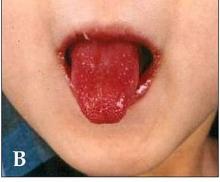
Cyclosporin and IVIG Effective in Kawasaki's Disease
A Lancet study has shown that adding cyclosporin to intravenous immunoglobulin (IVIG) Kawasaki disease patients, who were predicted to be resistant to IVIG, was both safe and effective in averting severe coronary artery outcomes.
Cyclosporin and IVIG Effective in Kawasaki's Disease
A Lancet study has shown that adding cyclosporin to intravenous immunoglobulin (IVIG) Kawasaki disease patients, who were predicted to be resistant to IVIG, was both safe and effective in averting severe coronary artery outcomes.
Rare Inflammatory Syndrome in Kids with COVID-19
Pediatricians are asking the question - could this be a rare manifestation of COVID-19 in children?
There are now 3 case reports in the U.S of children infected with the coronavirus who have developed what looks like Kawasaki's diseaes. Simimar reports have been seen in the UK, Italy and Spain.
This rare syndrome has been described from 3 children (age from 6 months to 8 years) treated at Columbia University Medical Center in New York, who manifest fever, abdominal pain and gastrointestinal symptoms and evidence of cardiac inflammation.

Answering Patient Emails
A recent article by Dr. Joseph Eastern of the Pediatric News Network addressed an issue that confronts all practitioners - how do you handle email from patients?
Writing Effective Appeal Letters
Getting the right drug to the right patient isn’t quite as easy as it should be. Here's a collection of appeal trench war musings and tactics with a sample letter for all to use.

Lupus in Kids: Damage Starts Early
A new study sheds important light on the long-term outcomes of children diagnosed with systemic lupus erythematosus (SLE).
The most common form of organ damage in a large Canadian cohort was cataracts, which developed in 14% of the children, and avascular necrosis, which was seen in 10%, according to Earl Silverman, MD, of the Hospital for Sick Children (SickKids) in Toronto, and colleagues.
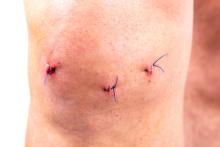
Limited Utility of Arthroscopic Meniscal Surgery
JAMA Surgery reports that arthroscopic partial meniscectomy (APM) is still one of the most common surgeries performed, despite evidence from large trials (eg, FIDELITY study) showing that APM is no more effective than exercise and physical therapy, especially in adults over age 65 years. (Citation source: https://buff.ly/2FN78wL)

Are You a Super Rheum?
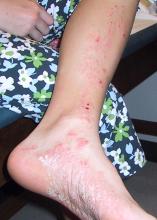
Apremilast Equals MTX in Palmoplantar Psoriasis
Palmoplantar psoriasis (PPP) is a therapeutically challenging variant of psoriasis; nonetheless, a prospective, randomized, active-controlled trial from India suggests that apremilast is effective and safe in patients with PPP.

RheumNow Podcast – Great Associations (3.19.2021)
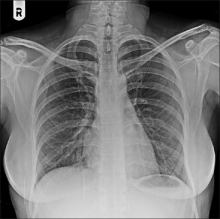
Rituximab vs. JAK inhibitors in Rheumatoid Lung Disease
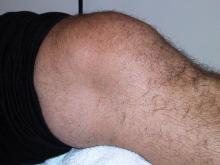
Flares Portend Damage in Rheumatoid Arthritis - Time for a New Strategy?
Disease flares are common in rheumatoid arthritis (RA), often causing patients to seek additional care, if not medication.
The frequency of flares varies amongst studies in different populations. But the consequence of flares has only recently been studied.
Italian researchers analyzed 123 RA patients who were initiating therapy with a TNF inhibitor (etanercept or adalimumab) and followed these patients serially over 24 months to assess the frequency of flare and the radiographic impact over time.
Aspergillus Arthritis - A Rare Opportunistic Infection
The International Osteoarticular Mycoses Consortitum has publist their review Aspergillus arthritis caused by invasive aspergillosis.
Their review identified 31 evaluable cases, 87% of whom were males and adults.
More than half (55%) were immunosuppressed by either hematological malignancies (26%), steroids (39%), or transplantation (26%).
Oligoarticular infection (45%) with or without a contiguous osteomyelitis (61%) were most often seen.
Commonly affected joints include the knees (35%), intervertebral discs (26%), and hips (16%)/
Inflammatory Arthritis Variants with Checkpoint Inhibitors
Capelli and colleagues have studied patients treated with ICIs and found two variants of inflammatory arthritis (IA) - a reactive arthritis like large joint arthritis with combination ICI therapy or a small joint IA with ICI monotherapy.
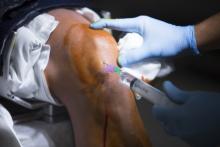
Best of 2018: Unproven But Profitable Stem Cell Clinics
Unproven But Profitable Stem Cell Clinics
The Consequences and Cure of Hepatitis C
I spent this past week seeing hepatitis C patients with our hepatologists, and being a rheumatologist, I was looking forward to seeing extra-hepatic manifestations of HCV that we read about in text-books - cryoglobulinemic vasculitis, sicca syndrome, porphyria cutanea tarda and many others. I suppose I should not be surprised that the week passed without seeing a single one of these.