All News
Hydroxychloroquine Improves Survival in Lupus
Hydroxychloroquine (HCQ) has dominated the news in recent weeks, because of poor outcomes reported when used in COVID patients. Yet, a recent report reaffirms what rheumatologists have known for years - that HCQ use is associated with better outcomes in systemic lupus erythematosus, including survival.
Read ArticleAgain, Antimalarial Use Fails to Benefit COVID
Today Lancet reported the results of another retrospective trial showing that hydroxychloroquine or chloroquine, alone or with a macrolide antibioitic, offered no additional benefits to COVID-19 patients, but was associated with higher rates of mortality and arrhythmia.
Read ArticleThe Nine Lives of Hydroxychloroquine (Updated)
Hydroxychloroquine is one of many medications frequently used in rheumatology practice. Its remarkable versatility is attested by its routine use in lupus, in patients with an autoimmune coagulopathy, in patients with rheumatoid arthritis, as well as in those with a low-level inflammatory arthropathy.

Read ArticleRheumNow Podcast - Despite Corona (3.6.20)
Dr. Jack Cush reviews the news and journal articles from the past week on RheumNow.com.
RheumNow Podcast - RWCS Quick Hits (2.14.20)
Dr. Jack Cush reviews the highlights from the 2020 RWCS meeting in Maui, Hawaii.
Read ArticleApremilast Reduces Oral Ulcers in Behcet's Syndrome
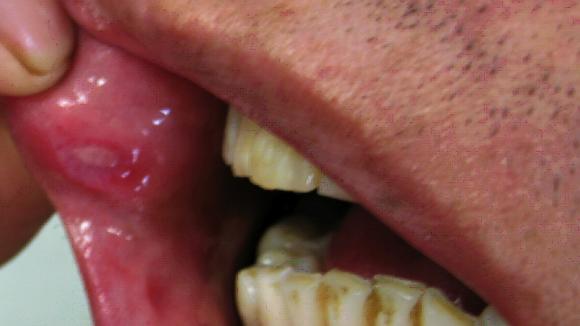
A multinational trial finds a statistically significant number of patients with Behçet's syndrome showed a greater reduction in the number of oral ulcers with apremilast compared with placebo.
Read ArticleHydroxychloroquine Blood Levels May Predict Future Retinopathy
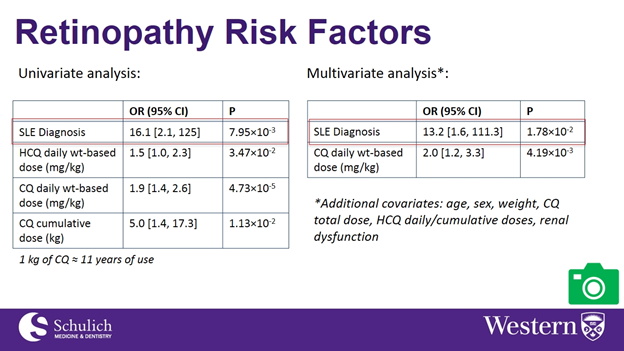
A study of 527 patients receiving daily hydroxychloroquine (HCQ) concluded that hydroxychloroquine blood levels may predict future HCQ retinopathy.
Read ArticleACR 2018 - Day 1 Report
Highlights from Tuesday and Wednesday (days 3 and 4) from the ACR annual meeting include: the important and impactful abstracts covered by the Rheumatology Roundup session; upadacitinib clinical trials; and the baricitinib CV and VTE safety analysis.
Read ArticleRheumNow Podcast – Believe in Vitamin D or Rituximab? (9.20.19)
Dr. Jack Cush reviews the news and journal articles from the past week on RheumNow.com.
Read ArticleSteroid Sparing Effects of Methotrexate and Mycophenolate in Uveitis
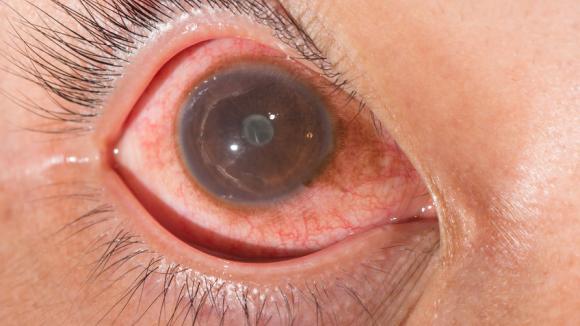
Patients with noninfectious uveitis (intermediate, posterior uveitis, or panuveitis) often require high dose corticosteroids and therefore may need steroid-sparing DMARD therapy. The FAST study investigated the corticosteroid-sparing effect of methotrexate or mycophenolate mofetil in adults with noninfectious uveitis.
Read ArticleBlinded by the Use of Antimalarials in Lupus?
Editor's note: July 1 - 5, RheumNow is running the best of EULAR 2019 meeting. Hydroxychloroquine (HCQ) will decrease SLE flares improve lipids, decrease clots, improve survival, augment the response to mycophenolate and are the cornerstone of treatment as per the SLE EULAR gui
Read ArticleBlinded by the Use of Antimalarials in Lupus?
Hydroxychloroquine (HCQ) will decrease SLE flares improve lipids, decrease clots, improve survival, augment the response to mycophenolate and are the cornerstone of treatment as per the SLE EULAR guidelines presented at EULAR 2019 in Madrid and also published in ARD.
Read ArticleDermatology Guidelines for Psoriatic Comorbidities
The JAAD has published joint guidelines from the American Academy of Dermatology (AAD) and National Psoriasis Foundation (NPF) on the approach, management and dermatolgist roles for select comorbid conditions.
Read ArticleBest of 2018: Hydroxychloroquine Being Over-Dosed with New Guidelines?
Hydroxychloroquine retinopathy prevention guidelines have revised from ideal body weight-based dosing to actual body weight-based dosing; the question remains whether these have been adopted in clinical practice.
A database of nearly 21,000 new HCQ users from a UK general population database studied HCQ dosing and use between 2007 and 2016. Specifically they examined whether users were subjected to excess HCQ dosing per ophthalmology guidelines (defined by exceeding 6.5 mg/kg of IBW and 5.0 mg/kg of ABW).
RheumNow Week in Review – Vitamin D Falls Again (10.4.18)
Dr. Jack Cush reviews the news from the past week on RheumNow.com.
Read ArticlePredictive Risk Factors for Uveitis in JIA
Researchers from Germany have studied a large cohort of juvenile idiopathic arthritis (JIA) patients and shown that JIA disease activity scores and laboratory biomarkers could be used to better define the group of JIA patients at high risk of uveitis onset.
Read ArticleHydroxychloroquine Being Over-Dosed with New Guidelines?
Hydroxychloroquine retinopathy prevention guidelines have revised from ideal body weight-based dosing to actual body weight-based dosing; the question remains whether these have been adopted in clinical practice.
A database of nearly 21,000 new HCQ users from a UK general population database studied HCQ dosing and use between 2007 and 2016. Specifically they examined whether users were subjected to excess HCQ dosing per ophthalmology guidelines (defined by exceeding 6.5 mg/kg of IBW and 5.0 mg/kg of ABW).
Best of 2017: New EULAR Guidelines on Behçet's
At the EULAR 2016 meeting, new EULAR recommendations for the management of Behçet's disease (BD) were presented.
Read ArticleCanada Closer to Marijuana Approval
Reuters reports that Canada’s Senate on Thursday voted to legalize recreational marijuana, clearing a major hurdle that puts the country on track to become the first Group of Seven nation to permit national use of the drug.
Read ArticleFish Oil Fails in Dry Eye Trial
Many topical and OTC products are recommended when treating chronic dry eyes, including omega-3 fatty acids (fish oil or n−3 fatty acids) to relieve symptoms; the NEJM reports that the DREAM trial shows no clinical benefit of n−3 fatty acids for 12 months when compared to placebo.
Read Article