Bearing in mind that renal impairment is among the worst complications of ANCA-associated vasculitis (AAV), researchers have identified four different trajectories of kidney function over time in AAV patients, with implications for personalized treatment, as well as future research.
All News
Dr. Jack Cush reviews the lastest journal articles, news, and FDA announcements from the past week on RheumNow. This week, the importance of IFNa, Subclinical PsA and NSAID safety during Pregnancy.
A novel trial has shown that combination biologic therapy (guselkumab plus golimumab) to be more effective in ulcerative colitis than either biologic alone.
Yesterday, the U.S. Food and Drug Administration (FDA) approved sarilumab (Kevzara) for the treatment of adults with active, refractory polymyalgia rheumatica (PMR), stipulating it is indicated in those patients who have had an inadequate response to corticosteroids or who cannot tolerate corticosteroid taper.
Most patients with psoriatic arthritis (PsA) failed to achieve low disease activity after switching from one targeted therapy to another, real-world data from Scandinavian registries indicated.
Despite the encouraging phase II trial results of baricitinib in systemic lupus erythematosus (SLE) patients, two parallel phase III trials have failed to redemonstrate the efficacy of baricitinib in active SLE, thereby halting development of baricitinib in SLE.
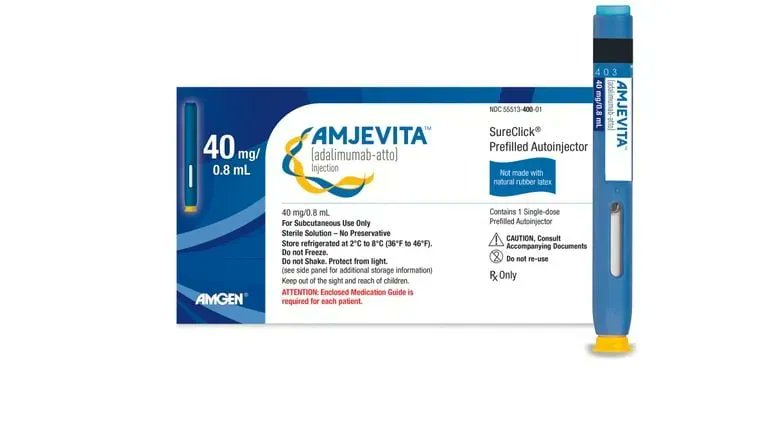
Wang et al., in a JAMA Network Research Letter, recently reviewed Medicaid expenditures on adalimumab (ADA), sold under the brand name HUMIRA®. They noted that the introduction of the citrate-free formulation cost an extra $4.4B to Medicaid between 2014 and 2021.
Dr. Jack Cush reviews the news and tries to stump the expert panel this week on the podcast.
Safety outcomes for targeted synthetic or biological disease-modifying antirheumatic drugs (b/ts DMARDs) used to treat RA were studied using data from the Anti-Rheumatic Therapies in Sweden (ARTIS) registry, showing that these newer agents are largely similar, but still have particular differences for specific infection or other adverse event risks.