
Article
Dr. Jack Cush is joined by Dr. Michael Weinblatt as they discuss this weeks news and journal reports, including difficult RA, HLA typing and abatacept responses and new regulatory decisions.

Search for Terms or Answers
Dr. Jack Cush is joined by Dr. Michael Weinblatt as they discuss this weeks news and journal reports, including difficult RA, HLA typing and abatacept responses and new regulatory decisions.

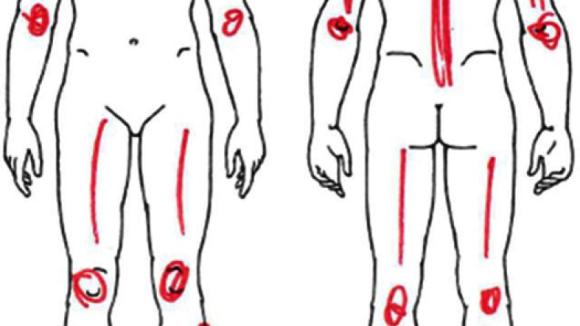
In a recent randomized clinical trial of patients with fibromyalgia, cognitive-behavioral therapy (CBT)—which uses structured techniques to alter distorted thoughts and negative moods—was superior to a matched education treatment in reducing the interfering effects of pain and other aspects of fi
The FDA quietly approved the interleukin (IL)-1 inhibitor canakinumab (Ilaris) for gout 10 days ago, with no announcement from either the agency or the drug's manufacturer, Novartis -- leaving outsiders to guess at what changed in the dozen years since the company's first attempt to gain app
We use biologic agents on a daily basis in the treatment of rheumatoid arthritis. Despite having an expanding array of options, our profession is keen on gaining a deeper understanding of why certain drugs fail and being able to predict the most appropriate next steps in treatment.

This Tuesday Night Rheumatology panel discussion on "Methotrexate Decisions" features Drs. Michael Weinblatt, Grace Wright, Richard Conway and Joel Kremer.

A large cohort analysis of insured rheumatoid arthritis (RA) patients reveals that RA patients have a 1.69 to 2.08 fold higher risk of developing cancer, especially lymphoma or lung cancer, within 1 year of RA diagnosis.

A machine learning approach was applied to two different population cohorts and was shown to be effective at the early identification of undiagnosed psoriatic arthritis (PsA).

This week, Dr. Jack Cush reviews the news with special guest, Dr. Peter Nash. They discuss COVID Autoantibodies, SpA life expectancy, HCQ, extraarticular RA and our approach to Early RA referrals and pre-clinical RA.
This Tuesday Night Rheumatology was an hour long panel discussion featuring Drs. Jack Cush, Vivian Bykerk, Glen Hazelwood and Martin J. Bergman.
The Panel discussed Rheumatologists views on Early RA referral and intake, initial treatment preferences and views on diagnosing and treating pre-clinical RA.

Daily hydroxychloroquine (HCQ) is better than an apple a day; as a new study shows that adherence to the antimalarial agent significantly lowers future risk of cardiovascular events in rheumatoid arthritis (RA) and systemic lupus erythematosus (SLE) patients.

Early diagnosis of inflammatory arthritis (IA) is rooted in patient (self or MD) referrals. A recent analysis shows only a minority of rheumatology referrals had inflammatory arthritis, with only 21% were seen within the first 6 weeks of symptoms.

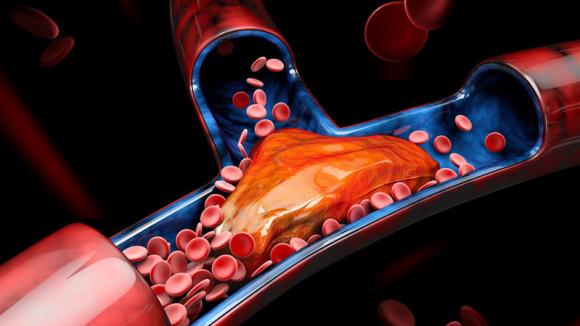
The safety of tofacitinib and TNF inhibitors was studied in high risk rheumatoid arthritis (RA) patients in the ORAL Surveillance study, which culminated in an FDA warning in January 2021 on the cardiovascular, cancer and VTE risks associated with JAK inhibitor use.
Dr. Jack Cush reviews the news and journal reports from this past week on RheumNow, and introduces our September campaign - "Hard Decisions in RA".
The American College of Rheumatology (ACR) has published evidence that rheumatologic care can save more than $2700 per patient per year.

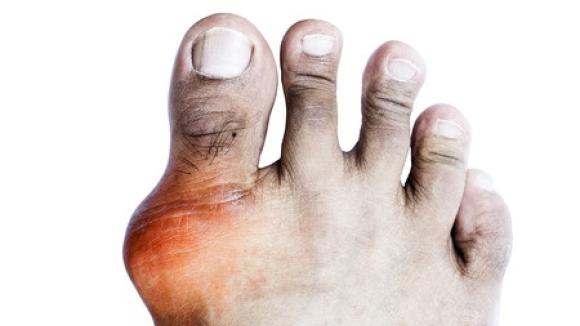
The US Food and Drug Administration (FDA) has approved canakinumab (Ilaris) for the treatment of gout flares in adults who cannot be treated with NSAIDs, colchicine, or repeated courses of corticosteroids. The drug is also indicated for people who could not tolerate or had an inadequate response to NSAIDs or colchicine.

Patients with gout and type 2 diabetes treated with SGLT2 inhibitors not only had reduced numbers of gout flares, but also lived longer compared with other such patients receiving other medications, researchers said.

The American College of Rheumatology (ACR) and EULAR have combined efforts to establish an international multidisciplinary Steering Committee to develop classification criteria for the new antiphospholipid syndrome (APS) to be applied in observational studies and clinical trials.
Potentially modifiable comorbid conditions and complications have a major impact on the risks of total hip arthroplasty (THA) for people in their nineties, reports a study in The Journal of Bone & Joint Surgery.

Dr. Jack Cush comments on the news and journal articles from the past week on RheumNow.com: VEXAS scoring, scleroderma sine scleroderma and head scratchers from southeast Asia.
A real-world rheumatoid arthritis (RA) cohort study from Israel shows significant variability of drug survival using biologic disease-modifying anti-rheumatics drugs (bDMARDs) and targeted synthetic DMARDs (tsDMARDs).

By downloading this material, I acknowledge that it may be used only for personal use and personal education and that I will accredit RheumNow.com as the source and owner of this material. Commercial use or mass reproduction of this material without permission from RheumNow (info@rheumnow.com) is prohibited.

