Article
The biosimilar landscape will change dramatically in 2023, following the successful rollouts in other countries in Europe.

Search for Terms or Answers
The biosimilar landscape will change dramatically in 2023, following the successful rollouts in other countries in Europe.

Pregnant women with systemic lupus erythematosus (SLE) were more prone to cardiovascular complications during delivery, and their risk seems to have increased over the past 15 years, according to national administrative data.

Dr. Jack Cush reviews the news and journal articles from the past week on RheumNow.com.

The Infectious Diseases Society of America has recently updated its recommendations with regards to the treatment of severely ill, hospitalized COVID-19 infected patients and also about the appropriate use of anti-IL-6, JAKs and colchicine.

A UK study suggests the equivalent outcomes when patients with interstitial lung disease (ILD) associated with connective tissue disease (CTD) are treated with either intravenous rituximab (RTX) or cyclophosphamide (CTX), but with fewer adverse events with RTX.

When it comes to hydroxychloroquine dosing, issues on efficacy, toxicity and therapeutic thresholds may affect the optimal use of this important drug.
Following are three abstracts presented during the meeting that address these topics.

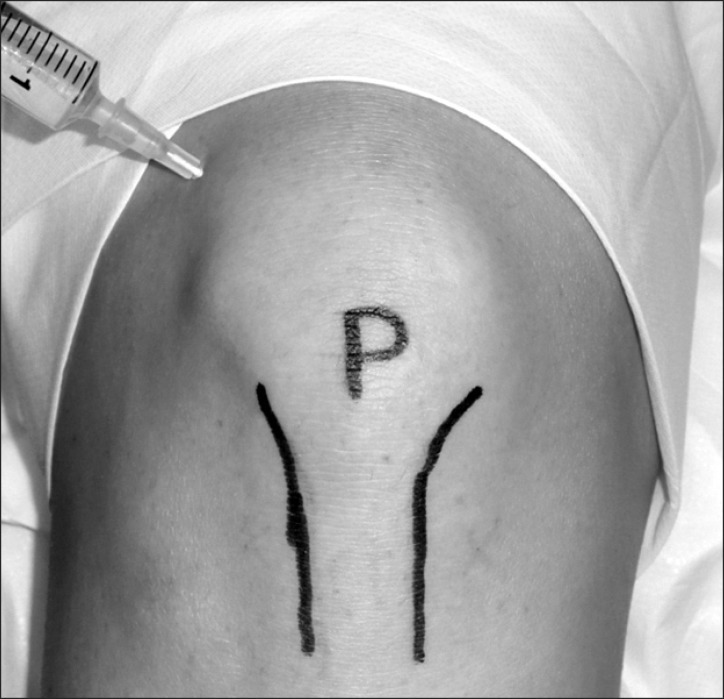
Two studies comparing injections commonly used to relieve the pain of knee osteoarthritis found that corticosteroid injections were associated with the progression of the disease.

There is a large, unmet need in treating Sjögren’s syndrome, yet a new randomized clinical trial has shown that low-dose interleukin 2 (LD-IL-2) was effective effective and well tolerated in patients with primary Sjögren’s syndrome (pSS), with evidence of restored immune balance.

Deucravacitinib, an oral, selective TYK2 inhibitor, has demonstrated efficacy in a phase II trial active systemic lupus erythematosus (SLE) patients.

Discussions regarding family planning, contraception, and pregnancy should be approached at each clinic visit to ensure providers understand patients’ personal goals. These conversations have the potential to decrease the risk of unplanned pregnancies. However, rheumatologists may need to manage unplanned pregnancies and the impacts of accidental teratogenic exposure.

Addressing chronic pain often leads general practitioners and specialists to prescribe opioids. However, opioids (weak and strong) have not demonstrated efficacy in long-term pain management; their chronic use could even worsen pain in users. Opioids prescription is often perceived as being safer than NSAIDs prescription, especially in respect to MACE.

In the wake of the 2016 AAOS Guidelines, rheumatologists dutifully reduced the dose HCQ take by patients with SLE to some number south of 5mg/kg per day. Though I believe the ophthalmologists correctly interpreted a 2014 paper in JAMA Ophthalmology that quoted a much-higher rate of HCQ associated retinopathy than had previously been appreciated, they and subsequent guidelines published in the field of rheumatology lacked a critical piece of information: what actually happens when you do this?

It was great to be back at an ACR annual meeting, this one in Philadelphia - Philly was great. A walking town, rich in culture, history and good places to meet and mingle.
I loved the city, but not the convention center (not easy to navigate).
In abstract 0001 presented at ACR22 Convergence, researchers presented 12-month data from a randomized double-blind placebo-controlled trial of pegloticase with or without MTX.

The last day was jammed with important reports and research including the late breaking abstracts.





By downloading this material, I acknowledge that it may be used only for personal use and personal education and that I will accredit RheumNow.com as the source and owner of this material. Commercial use or mass reproduction of this material without permission from RheumNow (info@rheumnow.com) is prohibited.