
Article
The Wall Street Journal has reported an alarming trend in generic drug pricing that affects many, especially the elderly and those with arthrtis.

Search for Terms or Answers
The Wall Street Journal has reported an alarming trend in generic drug pricing that affects many, especially the elderly and those with arthrtis.

ClinicalTrials.gov has listed the results of the POSTURE study, a large randomized placebo-controlled trial wherein apremilast was found to yield no benefit (compared to placebo) in treating ankylosing spondylitis (AS) (32.5% vs. 36.6% ASAS20 at week 16) patients.

Fibromyalgia is a well characterized condition with disordered pain processing. Although the clinical constellation and diagnostic clues are well characterized, FM lacks a diagnostic biomarker and most imaging and tissue diagnostics have been unrevealing.

The results of the Nor-Switch study were presented at the United European Gastroenterology annual congress this week demonstrating no significant difference in effect, adverse effects or antibody formation in patients switched from Remicade to the biosimilar infliximab (CT-P13, Remsima).

Pfizer has announced it will ship its new FDA-approved biosimilar, Inflectra, in late November and that it will be priced at a15 percent discount to current wholesale prices.

Dr Jack Cush reviews highlights from the news and journal articles appearing this week on RheumNow.com:
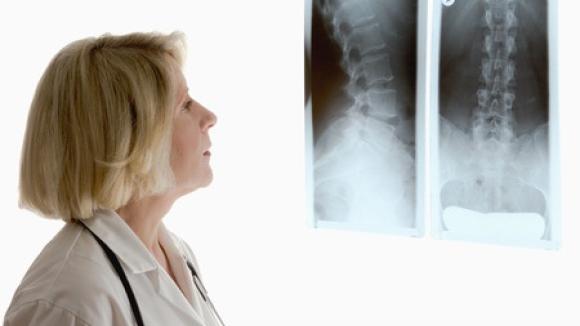
The risk of developing ankylosing spondylitis (AS) if you are HLA-B27+ and a first degree relative is often said to be 20%.
The diagnosis of periodic fevers is unified by undiagnosed but recurrent fever. Unfortunately the diagnosis of these disorders is hampered by their infrequency, protean features and a lack of clear criteria. Even more problematic is knowing who should be tested and for which monogenic marker?

Dr. Jack Cush reviews highlights from the journals and news this week on RheumNow.com.
The October 7th edition of MMWR reports that severe joint pain (SJP) has significantly risen from 10.5 million in 2012 to 27.2% in 2014, based on recent NHIS surveys.
RheumNow will periodically review this subject with “Biosimilar Reports” providing updates, news, new publications, overview articles and research results impacting to biosimilar development and use.

A Wall Street Journal article claims that U.S. drugmakers are pointing the blame at the middlemen who also influence drug priciing.

Management of moderate to severe plaque psoriasis has advanced significantly with FDA approved therapies capable of targeting TNF alpha, IL-17 and IL-12/23.
Baricitinib is an oral, small molecule, once-daily DMARD, that specifically inhibits Janus kinase 1 and 2 and is being developed for use in rheumatoid arthritis. With much of the developmental clinical trials completed, the drug is slated for review and potential approval near the end of the year.
Three new FDA approvals, proteomics, cancer, infectious risk, nonadherence and disappointing clinical trial results covered in this RheumNow Week in Review.
Romosozumab is being developed as a novel therapy for osteoporosis. It is a monoclonal antibody that binds sclerostin, and has been shown to increase bone formation while decreasing bone resorption.

2016 has been a big year for biosimilars in rheumatology.

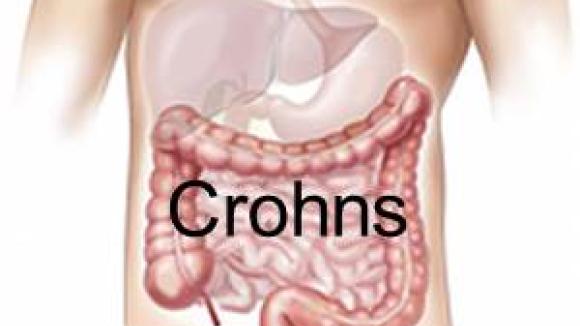
The anti-IL-12/IL-23 inhibitor, Stelara (ustekinumab) has been FDA approved for the treatment of psoriasis and psoriatic arthritis. In the last week, the EMA's CHMP has recommended that the drug also be approved for use in Crohn's disease.
Who makes billions in profits and millions in bonus monies? PBMs and insurers, thats who.
This week United Healthcare and Express Scripts announced new plans to restrict patient and prescriber access to popular, expensive, albeit FDA-approved, medications and biologics.
Who benefits, who loses?

Most US rheumatologists use multiple TNF inhibitors before switching. A new French study suggests that "other-MOA", non-TNF biologics are more effective after failing a TNF inhibitor.

By downloading this material, I acknowledge that it may be used only for personal use and personal education and that I will accredit RheumNow.com as the source and owner of this material. Commercial use or mass reproduction of this material without permission from RheumNow (info@rheumnow.com) is prohibited.