Dr. Jack Cush reviews highlights from the past week on RheumNow.com, including IBD/TNFi and cancer risk, fracture nonunion, PMR worse in women, not treating asymptomatic hyperuricemia, and shingles followed by stroke.

All News
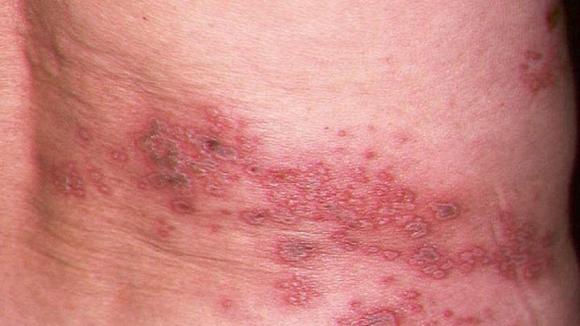
Patients with autoimmune inflammatory diseases who develop herpes zoster are at increased risk of stroke for the subsequent 3 months, with risks diminishing thereafter, analysis of Medicare data showed.
High mobility group box chromosomal protein 1 (HMGB1) is a DNA-binding protein that functions as a structural co-factor. HMGB1 is actively secreted by macrophage/monocytes via inflammatory stimuli and is elaborated during apoptosis.
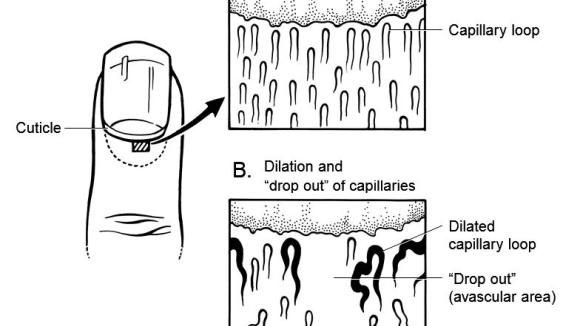
Nailfold capillaroscopy test had impressive 90% negative predictive value for Systemic Sclerosis (SSc)
Dr. Cush reviews the RheumNow.com highlights in rheumatology for the week ending 19 August 2016.
Myelodysplastic syndrome may infrequently present with inflammatory or autoimmune symptoms. This literature review shows a variety of presentations and treatment options for such patients.
Rheumatologists are well-acquainted with the rules for hydroxychloroquine (HCQ) retinopathy screening: A) annual visits to the ophthalmologist and B) maintain HCQ doses at less than 6.5 mg/kg to avoid retinopathy.
SHARE (Single Hub and Access point for pediatric Rheumatology in Europe) is a group established in 2012 to develop and optimize diagnostic and management regimens in Europe for children and young adults with rheumatic diseases.
The European League Against Rheumatism (EULAR) has published comprehensive recommendations on reproductive health and family planning for women with systemic lupus erythematosus and/or antiphospholipid syndrome – conditions that largely affect women of childbearing age.
Infections are a concern for many when using tumor necrosis factor-α inhibitor (TNFi) therapy to treat inflammatory disorders. Even moreso in those at higher risk.
Dr Jack Cush reviews this week's highlights from RheumNow.com.
Pregnancy complications of anti-phospholipid syndrome (APS) have included recurrent abortions, spontaneous fetal loss, preeclampsia, and premature birth. The etiopathogenesis of these events has been presumed to be placental thrombosis or infarction.
Rheumatology News has a novel online report about combined rheumatology-dermatology clinics. In the last several years, there have been a few of these in operation (Boston, Chicago, Rhode Island).
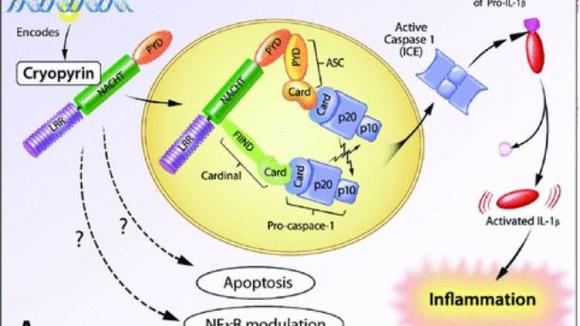
The gene mutations underlying inflammasome activity have been well described, but there appears to be variable penetrance among patients with the same gene mutation, suggesting additional mechanisms may influence disease expression.
Dr. Jack Cush reviews highlights from this week's rheumatology news on RheumNow.com.
Systemic lupus is a clinically heterogeneous disorder, unified by requisite clinical features and exuberant humoral response to unknown triggers. While the diagnosis is easy, the disease course and management can be complicated and challenging.
The PROMISSE (Predictors of Pregnancy Outcome: Biomarkers in Antiphospholipid Antibody Syndrome and Systemic Lupus Erythematosus) study has revealed several important lessons in lupus care.
The results of the faSScinate trial were published in Lancet showing that treatment with Actemra (tocilizumab) resulted in a reduction in skin thickness and an improvement in lung function in patients with systemic sclerosis (SSc).
Transforming growth factor (TGF-β) is known to have potent profibrotic activity and has been implicated in the pathogenesis of systemic sclerosis a futile condition with no effective disease modifying treatments.
Autoimmune ophthalmic disease is a frequent challenge to rheumatologists from both a diagnostic and therapeutic perspective. Approved therapies are limited and have only been infrequently or comfortably utilized by rheumatologists and autoimmune ophthalmologists.