
Article
Warnings of cancer, especially lymphoma, have accompanied the development and promotion of tumor necrosis factor inhbitors (TNFi) in the treatment of RA and other inflammatory disorders.

Search for Terms or Answers
Warnings of cancer, especially lymphoma, have accompanied the development and promotion of tumor necrosis factor inhbitors (TNFi) in the treatment of RA and other inflammatory disorders.
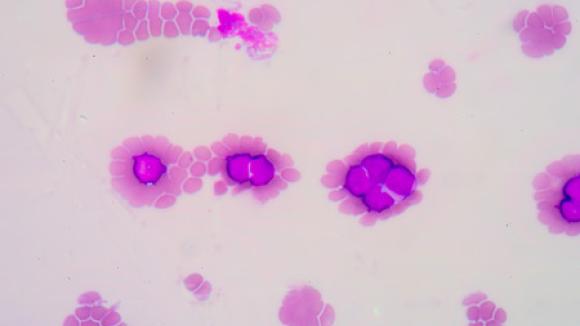
The pathogenesis of Alzheimer's disease (AD) is unknown but some have speculated a role for inflammation.

Psoriasis and psoriatic arthritis are more prevalent, often more severe, and sometimes refractory to conventional treatments in HIV-positive patients, but clinicians are understandably concerned about moving on to immunosuppressive anti-tumor necrosis factor (TNF) agents when other treatments fai

Chingcuanco and coinvestigators have reported on their comparative analysis of biosimilars and their originator TNF inhibitors in the current issue of Annals of Internal Medicine. (Citation source: http://buff.ly/2arTd1q)

Dr Jack Cush reviews this week's highlights from RheumNow.com.

Burmester and colleagues have published their review of the long-term outcomes and safety issues with the TNF inhibitor, adalimumab (ADA). The analysis included 15,132 patients exposed to adalimumab in global RA clinical trials.
Rheumatology News has a novel online report about combined rheumatology-dermatology clinics. In the last several years, there have been a few of these in operation (Boston, Chicago, Rhode Island).

From tofacitinib developmental trials in RA and psoriasis and adherence to T2T in early RA to a rheumatology pearl about dapsone and much more, here are the highlights of what you may have missed on RheumNow.com this week.
Valeant Pharmaceuticals International's experimental drug to treat psoriasis should be approved as long as certain measures are put in place to mitigate the risk of suicide, an advisory committee to the U.S. Food and Drug Administration concluded on Tuesday.

SAPHO is an acronym that describes a constellation of findings (synovitis, acne, pustulosis, hyperostosis, and osteitis) that defines this rare syndrome.

In the last 6 months, the FDA Arthritis Advisory Committee has recommended three biosimilars (CT-P13, GP-2015, ABP-501) for approval, with one achieving FDA approval Inflectra/CT-P13) and the other two pending a probable approval in the months to come.

Porter and colleagues have reported that both rituximab (RTX) and tumour necrosis factor inhibitors (TNFi) are equally and highly effective in early, active, biologic-naive rheumatoid arthritis patients.

The issue of lower intestinal tract perforation (LIP) is no novelty to rheumatologists since the RA treatment paradigm shifted from use of NSAIDs (the most common cause of upper GI tract perforations) to steroids and non-steroidal DMARDs.

Dr. Jack Cush reviews highlights from this week's rheumatology news on RheumNow.com.
The Food and Drug Administration’s Arthritis Advisory Committee (AAC) yesterday recommended that the Sandoz etanercept (Enbrel) biosimilar (GP-2015) be approved for use in the United States.

MedScape has reported that the US Food and Drug Administration (FDA) has approved lifitegrast ophthalmic solution (Xiidra, Shire) for the treatment of signs and symptoms of dry eye disease.

The Food and Drug Administration’s Arthritis Advisory Committee yesterday recommended that Amgen biosimilar (ABP 501) to Humira (adalimumab) be approved for use in the United States.

PNAS has published a study wherein an inducible “inflammatory reflex” delivered by vagus nerve stimulation was shown to inhibit the production of tumor necrosis factor (TNF), an inflammatory molecule that is a major therapeutic target in an animal model of rheumatoid arthritis (RA).

Systemic lupus is a clinically heterogeneous disorder, unified by requisite clinical features and exuberant humoral response to unknown triggers. While the diagnosis is easy, the disease course and management can be complicated and challenging.

The results of the faSScinate trial were published in Lancet showing that treatment with Actemra (tocilizumab) resulted in a reduction in skin thickness and an improvement in lung function in patients with systemic sclerosis (SSc).

By downloading this material, I acknowledge that it may be used only for personal use and personal education and that I will accredit RheumNow.com as the source and owner of this material. Commercial use or mass reproduction of this material without permission from RheumNow (info@rheumnow.com) is prohibited.