
Article
Dr. Jack Cush reviews the news and journal articles from RheumNow.com. Updates on tofacitinib, CAR-T therapy and AI.

Search for Terms or Answers
Dr. Jack Cush reviews the news and journal articles from RheumNow.com. Updates on tofacitinib, CAR-T therapy and AI.

Biomarker interest has grown considerably in the last 2 decades, owing to advances in genetics, imaging, protein, and multiomics. Despite these advances, biomarkers as the predictive holy grail of RA therapeutics and prognostication have not yet advanced beyond rheumatoid serologies and C-reactive protein (CRP).

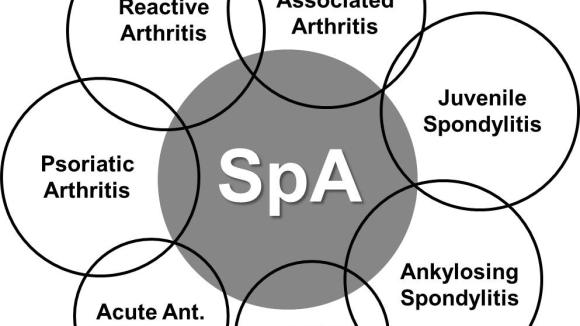
An editorial in Lancet Rheumatology calls for "..reframing axSpA as a systemic, autoimmune inflammatory disease with multiorgan involvement and substantial unmet need."
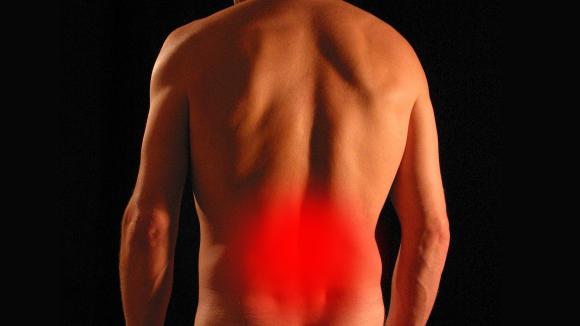
A comprehensive JAMA review synthesizes current evidence on the epidemiology, pathophysiology, clinical evaluation, and treatment of nonspecific low back pain, drawing on 108 publications identified from a PubMed search (2005–2026) and the most recent guidelines from the WHO, ACP, and NICE. While the primary audience is generalists, the review carries important implications for rheumatologists who regularly encounter patients with back pain in the context of inflammatory arthritis, axial spondyloarthritis, and other systemic diseases.
On the final day of EULAR 2026, Mukhtyar et al (on behalf of a large international task force) presented the updated EULAR recommendations for management of polymyalgia rheumatica (PMR), giant cell arteritis (GCA), and Takayasu arteritis (TAK). There were 5 overarching principles and 12 recommendations.

As EULAR2026 comes to a close, practical learnings take precedence as clinicians head back to their clinics. Among them, the 2026 EULAR Update on Imaging Recommendations in SpA stands out.

Imaging in the preclinical phase of RA is moving fast—arguably faster than our ability to interpret what we are actually seeing.
The last day in London was exciting as both the Late-Breaking abstracts and new EULAR guidelines were presented.

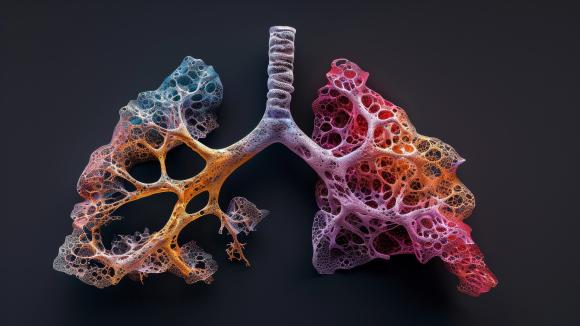
At EULAR 2026, speakers of the session “Catching Your Breath: Unravelling RA Associated Interstitial Lung Disease (ILD)” noted RA-ILD is one of the few outcomes not improving in the biologic era. Three abstracts reinforce that message and make the case for a practical, low-cost screening tool that is already in most rheumatologists’ hands.


By downloading this material, I acknowledge that it may be used only for personal use and personal education and that I will accredit RheumNow.com as the source and owner of this material. Commercial use or mass reproduction of this material without permission from RheumNow (info@rheumnow.com) is prohibited.




