

JAMA Review on Low Back Pain Save

Know-it-now
- Axial spondyloarthritis must be actively excluded, especially in males under age 40 years.
- Routine imaging is contraindicated for nonspecific LBP.
- Exercise and Cognitive Behavioral Therapy (CBT) are the best-evidenced treatments for chronic nonspecific LBP; there is no superiority among exercise types.
- NSAIDs remain the only evidence-based first-line pharmacological option across both acute and chronic nonspecific LBP. (acetaminophen, corticosteroids, gabapentinoids, and muscle relaxants are explicitly not recommended).
- Opioids and invasive interventions offer minimal benefit, but significant risk in nonspecific LBP and should be avoided.
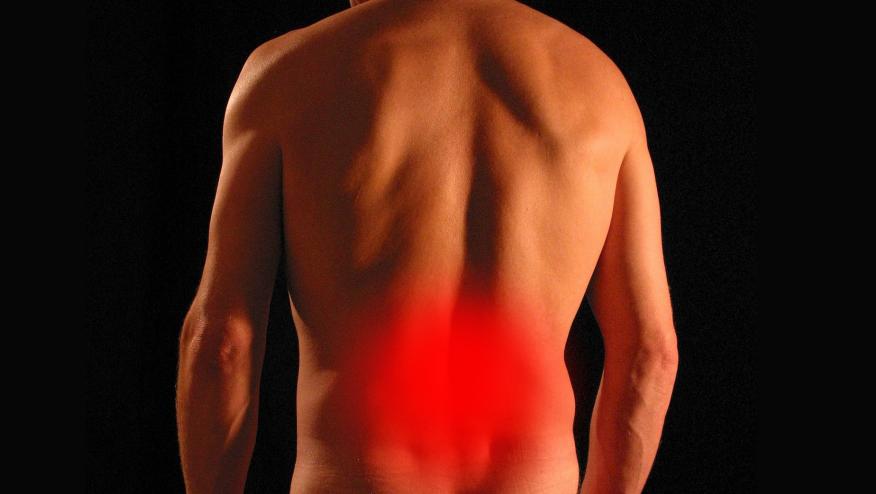
A comprehensive JAMA review synthesizes current evidence on the epidemiology, pathophysiology, clinical evaluation, and treatment of nonspecific low back pain (nsLBP), drawing on 108 publications identified from a PubMed search (2005–2026) and the most recent guidelines from the WHO, ACP, and NICE. While the primary audience is generalists, the review carries important implications for rheumatologists who regularly encounter patients with back pain in the context of inflammatory arthritis, axial spondyloarthritis (axSpA), and other systemic diseases.
Low back pain affects approximately 619 million people worldwide and remains the leading cause of years lived with disability globally. Prevalence is higher in females (9,330 per 100,000) than males (5,520 per 100,000) and increases with age, peaking around 85 years.
Approximately 90% of back pain presenting to primary care is nonspecific — without identifiable pathoanatomical cause. Risk factors include obesity (OR 1.5), depressive symptoms (OR 1.6), heavy occupational lifting (OR 1.10 per 10 kg lifted), tobacco use, comorbid chronic disease, and prior back pain episodes. Notably, 72% of patients with nsLBP have coexisting cardiovascular, metabolic, or mental health conditions — a profile highly relevant to the inflammatory arthritis patient population. The pathophysiology of nsLBP is heterogeneous, involving biopsychosocial contributions: musculoskeletal dysfunction, psychological factors (pain-related fear, depression, anxiety), and social/occupational determinants.
Clinical Evaluation and Diagnosis
Nonspecific LBP is a diagnosis of exclusion; after considering specific spinal and nonspinal disorders as the source of pain. A focused history and physical examination is needed to identify specific underlying disorders and to assess potential neurological involvement. Lumbar radiculopathy or spinal stenosis accounts for 5% - 10% of LBP in primary care. Vertebral fracture, axial spondyloarthritis, vertebral infection, and malignancy as well as referred pain occur in fewer than 1% of patients with LBP.
For rheumatologists, the axSpA red flag features of inflammatory LBP include chronic pain onset before age 45, morning stiffness >30 minutes, alternating buttock pain, improvement with activity, HLA-B27 positivity, and response to NSAIDs.
A lumbar radiculopathy may be suggested by low back and leg pain in an L4, L5, or S1 dermatomal distributions, along with weakness, sensory loss, or reduced reflexes is consistent with nerve root compression. With the patient supine, the straight leg raise test is positive when passive elevation of the extended leg places tension on the sciatic nerve and lumbosacral nerve roots reproducing the radiating leg symptoms when the leg is elevated at an angle of 30° to 70°. The straight leg raise test has high sensitivity (92%) for lumbar disk herniation but low specificity (28%). Patellar reflexes (L4 nerve root), great toe and foot dorsiflexion strength (L5 nerve root), foot plantar flexion and ankle reflexes (S1 nerve root) may also indicate nerve root compression.
Routine imaging with radiography, CT, or MRI is explicitly discouraged for nsLBP of any duration. Degenerative MRI changes are nearly universal in asymptomatic individuals: disk degeneration was identified in 38% of those aged 41–49 and 82% of those aged 60–68 without any back pain. Over-attribution of symptoms to these incidental findings drives anxiety, overdiagnosis, and unnecessary interventions. Imaging should be reserved for red flag presentations: suspected malignancy, infection, cauda equina syndrome, vertebral fracture, or progressive neurological deficits.
Prognosis
Acute nsLBP is generally self-limiting: approximately 72% of patients recover by 12 months, with mean pain scores improving substantially within 6 weeks. Subacute patients follow a similar trajectory. Chronic nsLBP carries a less favorable prognosis — only 42% recover within 12 months, and many experience persistent symptoms at 52 weeks with only small spontaneous improvements. This distinction between acute and chronic disease drives the treatment algorithm.
Treatment — Acute LBP
Initial management for all patients regardless of duration centers on education, reassurance, and encouragement to remain physically active, with explicit discouragement of prolonged bed rest. First-line nonpharmacological therapies for acute nsLBP include superficial heat (moderate benefit for pain and disability), spinal manipulation (mean pain reduction ~10 points on 0–100 scale), acupuncture, and massage; all considered safe with minor transient adverse effects. Structured exercise is not routinely indicated for acute nsLBP, as it offers no significant advantage over conservative care.
Pharmacologically, NSAIDs (ibuprofen, naproxen, celecoxib) and skeletal muscle relaxants (cyclobenzaprine, tizanidine) are first-line agents when pain limits function, each showing small but statistically significant pain reductions versus placebo. Neither acetaminophen nor systemic corticosteroids is recommended, as both have failed to demonstrate benefit over placebo. Opioids should be reserved for severe, functionally disabling acute pain unresponsive to first-line therapy and prescribed in short courses only. A recent RCT of 347 patients found modified-release oxycodone/naloxone did not outperform placebo for acute low back and neck pain at 6 weeks — further reinforcing opioid restraint.
Treatment — Chronic LBP
Nonpharmacological approaches are unequivocally first-line for chronic nsLBP. Exercise of any modality (aerobic, strength, Pilates, flexibility) produces moderate reductions in pain (MD −15.2 on 0–100) and disability versus no treatment; critically, no specific exercise type is superior. Thus exercise should be matched to formats the patient will adhere to (target ≥20 hours over 8–12 weeks). Psychological therapies — particularly cognitive behavioral therapy (CBT), produce small-to-moderate reductions in both pain and disability, and a single 2-hour CBT skills session has been shown non-inferior to an 8-session program, offering a practical implementation point. Integrated programs combining exercise with psychological approaches (cognitive functional therapy, graded sensorimotor retraining) show durable benefit at 1 year.
Multidisciplinary biopsychosocial rehabilitation (integrating physical, vocational, and behavioral components) is recommended for patients with substantial functional disability or failure of first-line treatment, producing additional improvements beyond exercise or psychological therapies alone, though access and cost remain barriers.
Pharmacologically, NSAIDs remain the first-line drug for chronic nsLBP. Duloxetine is a second-line option per ACP guidelines (small pain reduction, more adverse events), though NICE and WHO recommend against it, citing unfavorable benefit-risk ratio. Gabapentinoids, acetaminophen, benzodiazepines, skeletal muscle relaxants, and systemic steroids are explicitly not recommended for chronic nsLBP. Opioids are reserved for severe refractory cases under close monitoring, and tapering should be actively considered in patients already on long-term therapy.
Invasive interventions — spinal injections, radiofrequency denervation, spinal cord stimulation, and spinal fusion — are not recommended for nsLBP. Network meta-analyses show spinal injections no better than sham, and multiple RCTs demonstrate that lumbar fusion is not superior to intensive rehabilitation for disability and pain outcomes.
Continue Reading
ADD THE FIRST COMMENT
Disclosures
Disclosures
The author has no conflicts of interest to disclose related to this subject
The author used AI to research and organize this content, and maintains responsibility for its accuracy




If you are a health practitioner, you may Login/Register to comment.
Due to the nature of these comment forums, only health practitioners are allowed to comment at this time.