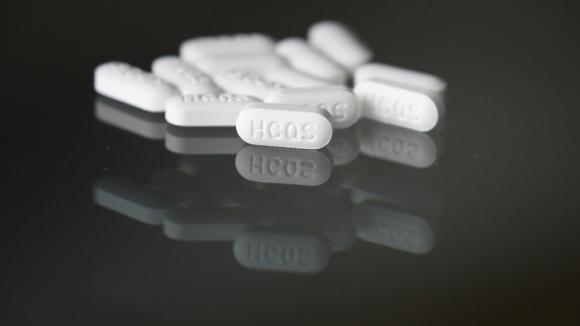
Hydroxychloroquine has been a dominant news item since the start of the COVID-19 crisis, with a great deal of misconceptions by those who don't know or use or take the drug. HCQ leaped to the headlines on March 19th when President Trump endorsed the drug as being “approved” by FDA. Of course at that time, it was still only approved for SLE, RA and malaria and it wasn't until 2 weeks later (March 31st) that the FDA issued an "emergency use authorization" allowing the use of either chloroquine or HCQ for treatment of severe, hospitalized patients with COVID-19.
To provide clarity and evidence - here are some of the facts you need to know.
All News
On April 26, 2020 the American College of Rheumatology (ACR) published a guidance paper to assist rheumatologists and rheumatology health professionals in assessing the need for urgent or face-to-face medical care versus virtual or telehealth patient care. The driving principals being
JAMA Internal Medicine has reported that cigarette smoking associated with an increased odds of having antineutrophil cytoplasmic antibody–associated vasculitis (AAV) (especially MPO positive AAV) and is thereby a modifiable risk factor for AAV.
Many patients with rheumatoid arthritis (RA) who achieved remission or low disease activity on biologic treatment were able to reduce the dose of their biologic, particularly if they were also on methotrexate, a retrospective study found.
JAMA Cardiology reports the risk of QT (QTc) prolongation when hydroxychloroquine (HCQ) was given to hospitalized patients with coronavirus disease 2019 (COVID-19), especially when given with azithromycin.
The oral cannabinoid receptor type 2 (CB2) agonist lenabasum showed promising results for systemic sclerosis (SSc) in a phase II study.
The Annals of Rheumatic Disease has published the preliminary recommendations of the German Society of Rheumatology for the management of Inflammatory rheumatic diseases patients during the SARS-CoV-2/Covid-19 pandemic.
These preliminary recommendations are based on an expert consensus from 17 experienced German rheumatologists.
In the last few days there have been encouraging "preliminary" reports that IL-6 inhibition by either tocilizumab or sarilumab may be efficacious in patients with severe coronavirus infections.