Article
The GAUSS-3 trial, recently published in JAMA, examined cholesterol-lowering interventions in patients with a high LDL (>120 mg/dl) and a history of statin intolerance to 2 or more statins.

Search for Terms or Answers
The GAUSS-3 trial, recently published in JAMA, examined cholesterol-lowering interventions in patients with a high LDL (>120 mg/dl) and a history of statin intolerance to 2 or more statins.

It is estimated that 21% of laboratory tests are requested inappropriately. Researchers have explored the impact of educational programs for rheumatologists working at three rheumatology departments in secondary and tertiary care centers in The Netherlands.

The American College of Cardiology has released its expert consensus guidance regarding the use of non-statin therapies to lower cholesterol in high-risk patients.

There have been several reports of psoriasis being linked to chronic renal disease in the literature. Another population-based study has also found a link between severe psoriasis and kidney disease.
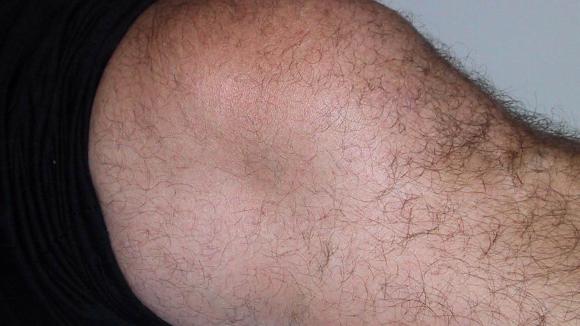
Knee effusions in osteoarthritis are estimated to occur in 44% of patients, and more than half of these are painful. Management of knee OA with effusions can be problematic given the treatment options and the high recurrence rate.
Opioid use and abuse is at an all time high. Epidemiologic and public health analyses have led to greater stringency and attempts to limit use have adversely effected those with arthritis.

Researchers at the University of Toronto have prospectively studied a cohort of 464 psoriasis patients without a diagnosis of arthritis and followed them over 8 years to estimate the incidence and frequency of psoriatic arthritis (PsA).
Rheumatoid arthritis (RA) is associated with an increased risk of myocardial infarction (MI) and post-MI fatality compared with the general population. At issue is whether this applies to those undergoing a surgical procedure.

This is a reposting of an earlier report on RheumNow that includes additional commentary from Dr. Sunada Kane, a gastroenterologist at the Mayo Clinic who specializes in both inflammatory bowel disease (IBD) and pregnancy.

Comparative efficacy trials may be the best way to make informed treatment choices in a sea of treatment options for rheumatoid arthritis (RA). Recent years have seen impressive head-to-head (H2H) clinical trials for RA, including AMPLE (abatacept vs.

The CDC estimates nearly 71% of adults with cardiovascular disease and 54% of adults with hypercholesterolemia use a cholesterol-lowering
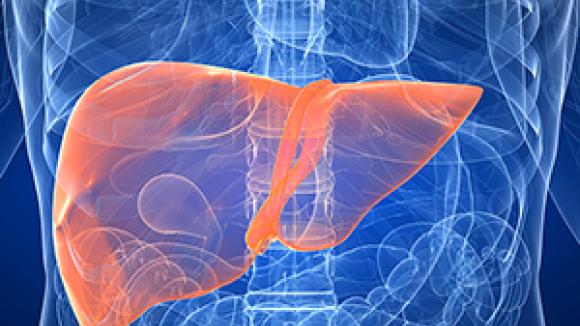
Powell et al have published in Lancet a review of hemochromatosis; its genetics, pathogenesis, clinical manifestations and management.
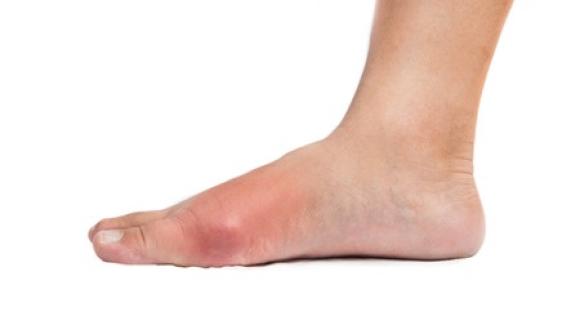
Diuretics are frequently implicated causes of hyperuricemia and gout. And there are gout variants wherein age, renal dysfunction and diuretic use may give rise to gouty attack in the hands of women with nodal osteoarthritis.
A network analysis of multiple therapies used in osteoarthritis found that acetaminophen (paracetamol) does not meet the minimum standard of clinical effectiveness in reducing pain or improving physical function in patients with knee and hip osteoarthritis.

The use of tumour necrosis factor α inhibitors (TNFis) at the time of major surgery has been a challenge for surgeons, rheumatologists and those wishing to develop evidence-based guidelines for this clinical scenario.

The use of opioids has become increasingly problematic in the last few years. First, the rising rates of use and abuse, followed by greater restrictions and regulations that have curtailed use, and, finally, a resultant increase in illicit drug use (heroin) and opioid overdoses.

Weight change can have substantial effects on the outcomes of patients with arthritis. It has long been known that weight loss and low body mass index (BMI) are associated with poorer arthritis outcomes.

The ACR is inviting members and rheumatologists to comment on their proposal to develop recommendations for the "Perioperative Management of Rheumatic Disease Medications in Total Joint Arthroplasty of the Hip and Knee".

Healio reports that patients followed in a combined Dermatology and Rheumatology clinic in Canada revealed high patient satisfaction.

By downloading this material, I acknowledge that it may be used only for personal use and personal education and that I will accredit RheumNow.com as the source and owner of this material. Commercial use or mass reproduction of this material without permission from RheumNow (info@rheumnow.com) is prohibited.