Article
Arthritis Care & Research reports that juvenile arthritis (JA) patients may have a higher risk if coronary artery disease (CAD) in adulthood.

Search for Terms or Answers
Arthritis Care & Research reports that juvenile arthritis (JA) patients may have a higher risk if coronary artery disease (CAD) in adulthood.

Dr. Jack Cush delivers select commentary on select news and journal articles from the past week on RheumNow.com.

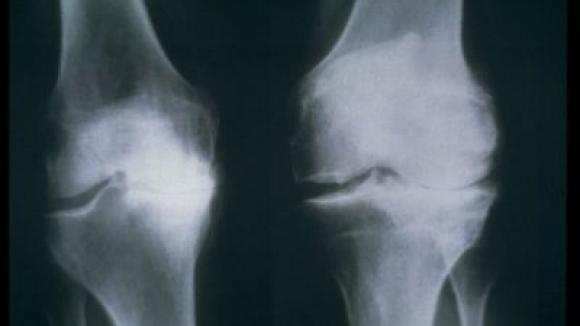
Intra-articular sprifermin given to patients with symptomatic and radiographic knee osteoarthritis has been shown to significantly improve total femorotibial joint cartilage thickness after 2 years, but without significant clinical benefits. Which begs the question, why is there a disconnect between radiographic disease modification (cartilage thickness) and symptomatic improvement?
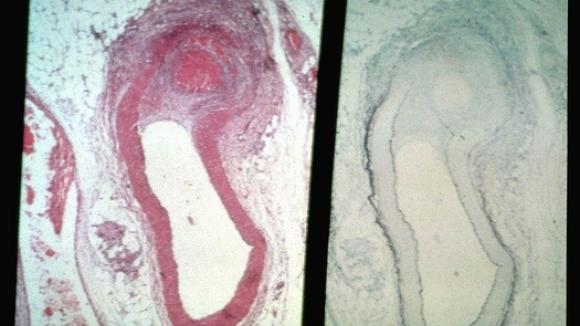
Annals of Internal Medicine reports that age-adjusted mortality rates for antineutrophil cytoplasmic autoantibody–associated vasculitides (AAV) have improved over time - with a decline of nearly 2 percent per year in the United States from 1999 to 2017. Nevertheless, long-term outcomes continue to lag behind mortality rates of the general population.
Dr. Jack Cush reviews the News and Journal Reports from this week on RheumNow.com.
The American Society for Bone and Mineral Research has developed multistakeholder consensus clinical recommendations for the prevention of secondary fractures for those aged 65 years and older after an initial hip or vertebral fracture.

The Annals of Rheumatic Disease reports a psoriatic arthritis study where in ixekizumab was non-inferior to adalimumab for achievement of ACR50 responses but was superior to adalimumab for achievement of PASI100 by week 24.
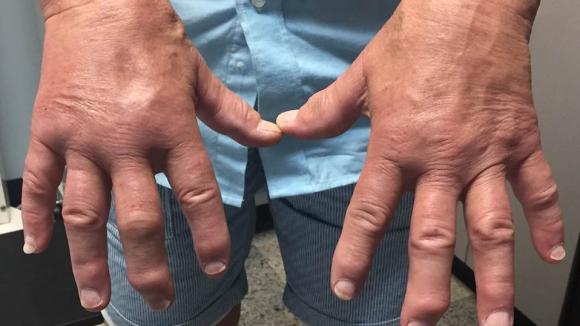
While the efficacy and safety of interleukin 1 (IL-1) inhibitors (e.g., anakinra) in the acute management of gout and pseudogout has been repeatedly shown, the cost efficacy of such biologic therapy has rendered it impractical for most. A new retrospective study has shown that IL-1 inhibitors may be effective and appropriate for some medically complex, hospitalized patients with acute gout or calcium pyrophosphate crystal arthritis.

The NEJM reports the results of a one year trial wherein ustekinumab (UST) was shown to be effective at inducing and maintaining remission in patients with moderate-to-severe ulcerative colitis. Ustekinumab, currently approved for use in psoriasis, psoriatic arthritis and Crohn's disease, is a monoclonal antibody against the p40 subunit of interleukin-12 and interleukin-23.

Dr. Jack Cush reviews the news and articles from the past week on RheumNow.com.

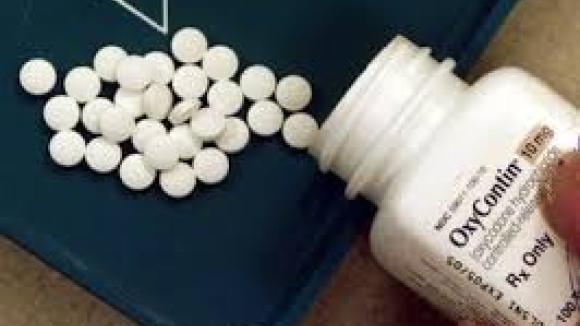
Opioids are generally not indicated for pain in systemic lupus erythematosus (SLE) and other rheumatic diseases because of limited efficacy and risks for preference and adverse health effects.
A double-blind, placebo-controlled clinical trial of low-dose IL-2 in patients with systemic lupus erythematosus (SLE) has shown that low-dose IL-2 induced was clinically effective while expandng regulatory T cells and NK cells, which may benefit immune homeostasis in SLE patients.
As the leading organization for people with arthritis, the Arthritis Foundation has just released the first CBD guidance for adults with arthritis. CBD, or cannabidiol, a plant-based compound, has become popular among people with arthritis seeking to ease chronic joint pain.

Rheumatology leaders commend CMS for proposing E/M code changes and urge agency to make additional changes to final rule.d

Braaten and colleagues from Johns Hopkins School of Medicine have reported their experience with chronic inflammatory arthritis induced by immune checkpoint inhibitor therapies, showing that in some, inflammatory arthritis persists after the immunotherapy has been discontinued.
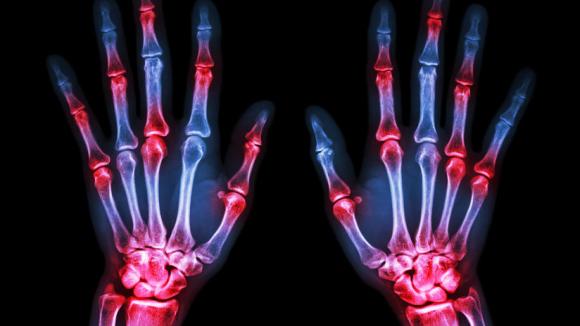
A systematic review in PLOS suggests that parenteral MTX therapy is more successful than oral MTX in achieving optimal disease activity control.

Dr. Jack Cush reviews the news and journal articles from the past week on RheumNow.com.
Continuous use of nonsteroidal anti-inflammatory drugs (NSAIDs) among patients with ankylosing spondylitis (AS) was associated with the development of incident hypertension, a prospective cohort study found.

Note to Colleague: How can you possibly diagnose and treat ankylosing spondylitis in a patient with polyarthralgias, +B27 but nothing else (no enthesitis, Pso, IBD, Abnl Schobers and neg SI films)?? The diagnosis (poor sleep, tender points) was obvious. You know who you are
Osteoarthritis Initiative studied 4344 knee OA looking at bulge sign (12.7%) & patellar tap (2%); 3.3% had both. Bulge sign increased risk of freq knee pain (OR 1.31) & TKR [OR 1.47); developing a bulge sign had incr risk of same & Xray worsening (OR 1.67) https://t.co/3HtBrkzAtk
By downloading this material, I acknowledge that it may be used only for personal use and personal education and that I will accredit RheumNow.com as the source and owner of this material. Commercial use or mass reproduction of this material without permission from RheumNow (info@rheumnow.com) is prohibited.