Article
The issue of medication management is a complicated one, especially in complex rheumatoid arthritis (RA) patients taking biologic or immunosuppressive drugs.

Search for Terms or Answers
The issue of medication management is a complicated one, especially in complex rheumatoid arthritis (RA) patients taking biologic or immunosuppressive drugs.

Dr. Jack Cush reviews highlights from the news and Advances in Targeted Therapies meeting in Mandelieu, France:
Tweeting this week from Advances in Targeted Therapies #ATT2017 in Mandelieu, France.

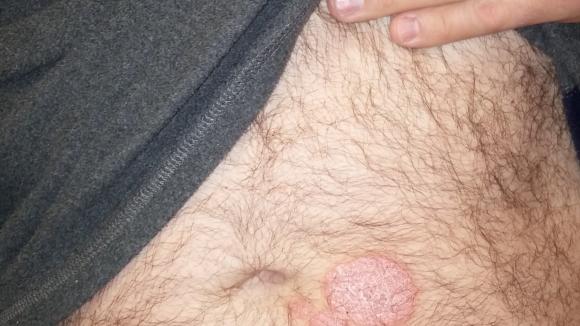
Tumor necrosis factor-α inhibitors (TNFi) rarely have been reported to induce new-onset psoriasis.
Two current articles in the Journal of Rheumatology address issues surrounding mortality risk among those with new and established gout.

On Friday March 24, the nonprofit Institute for Clinical and Economic Review (ICER) presented its report on the cost and value of targeted immune modulators (TIMs) for rheumatoid arthritis (RA) in a meeting in Boston that included clinical experts, manufacturers, payers, and patients.

Rheumatoid arthritis (RA) patients have a higher risk of certain cancers (e.g., skin, lung, lymphoma). At issue is whether the newer agents modify this risk appreciably.
Low rates of serious infections were observed in pregnant women receiving immunosuppressive therapies. Higher rates may be seen with steroid use in pregnancy and SIE trend towards lowest with DMARD or TNFi use.

Lyrica (pregabalin) was first approved in 2004 and since has been studied and approved for use in neuropathic pain (associated with diabetic neuropathy), postherpetic neuralgia, partial onset seizures, fibromyalgia and neuropathic pain with spinal cord injury.

Dr. Jack Cush reviews news and highlights from the past week on RheumNow.com.

A comprehensive review of psoriatic arthritis (PsA) was published this week in the NEJM, authored by leaders in the field, Drs. Ritchlin, Colbert and Gladman.
High points from their review inlcuded:
Dr. Steven Carsons and an expert committee of the Sjogren's Syndrome Foundation have published a clinical practice guidelines (CPGs) and recommendations for the managment of Sjögren's syndrome.

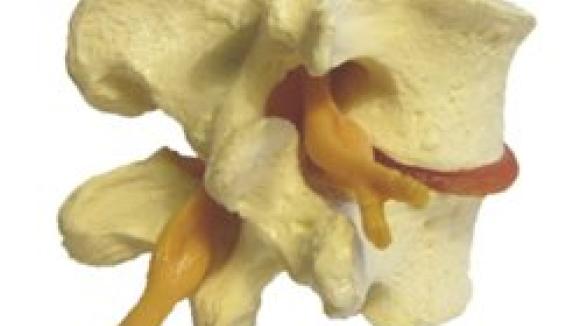
A a randomized trial published in Annals of Internal Medicine shows that intradiscal glucocorticoid injection has limited (1 month) efficacy in treating low back pain (LBP) associated with active discopathy, yet decreased over time.
A French population based study of ankylosing spondylitis (AS) was report in the Journal of Rheumatology.
They analyzed the death certificates and cause of death in 2940 AS patients over 3 different decades (1969-78; 1979-99; 2000-2009).
Calabrese and Velcheti have reviewed the current understanding that underlies a new drug-induced rheumatic disease - checkpoint inhibitor arthritis and autoimmune disease.

Dr. Sharad Lakhanpal, MBBS, MD, President of the American College of Rheumatology (ACR) has issued a press release condeming the insufficiencies of the newly proposed American Health Care Act (AHCA).

Dr. Jack Cush reviews highlights in the news from the past week at RheumNow.com. News on hepatitis C in RA and risk of hepatotoxicity; TNF inhibitor persistence in PsA; unnecessary injections in pre-operative OA knee patients; and a delay in the FDA decision on abaloparatide.
In January 2017, the Food and Drug Administration (FDA) released its draft guidance on the issue of interchangeability between biosimilars and originator biologic drugs. The window for your input will close on May 18, 2017. RheumNow encourages you to participate in this exercise and express your opinion.

Most physicians believe they understand and can manage gout. Yet, the number of gout patients has risen at an alarming rate and the introduction of 4 new drugs has done little to close the education gap and improve the care and outcomes of gout patients. Misuse, misunderstandings and missed opportunities abound in the wide world of gout.

Treat-to-target (T2T) works when they are pragmatic and conform well to daily practice.
Gout is an ideal therapeutic area where T2T could be and should be applied.
By downloading this material, I acknowledge that it may be used only for personal use and personal education and that I will accredit RheumNow.com as the source and owner of this material. Commercial use or mass reproduction of this material without permission from RheumNow (info@rheumnow.com) is prohibited.