
Article
Dr. Jack Cush reviews the news and journal articles from the past week on RheumNow.com.

Search for Terms or Answers
Dr. Jack Cush reviews the news and journal articles from the past week on RheumNow.com.

Dr. Jack Cush reports on the news and journal reports from the past week on RheumNow.com, including: how your genetics may shape your microbiome; GERD as a risk factor for TMJ?; how can MDA-5+ dermatomyositis be any worse; new drug happenings; StillsNow.com; and more.
A study of pregnancy outcomes in 98 women with juvenile idiopathic arthritis (JIA) who were exposed to DMARDs shows no increased risk of major adverse pregnancy outcomes.
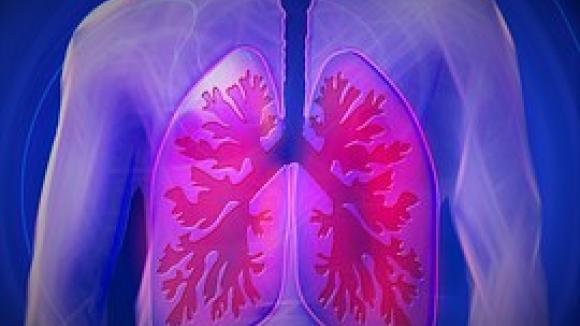
A single-center cohort analysis shows that lung disease is increasingly seen in children with systemic juvenile idiopathic arthritis (SJIA), especially those complicated by macrophage activation syndrome.
Prior to 2013, reports of pulmonary disease in SJIA were rare, but since there have been increasing reports of alveolar hypertension, interstitial lung disease and pulmonary alveolar proteinosis; often with a high mortality rate.
As such, since 2014, the Cincinnati Children’s Hospital Medical Center has seen an increase in lung disease and severe lung disease in SJIA.
Dr. Jack Cush reviews the journal articles and news reports from the past week on RheumNow.com:
MMP-7 and Myositis-ILD; Post-surgical gout attacks; CV events and testosterone; and a Boxed warning for tofacitinib.
Editor's note: July 1 - 5, RheumNow is running the best of the EULAR 2019 meeting. Here are a few of the highlights from day 1 EULAR in Madrid, including another IL-23 inhibitor, BTK inhibition, abatacept in Sjogren's syndrome, don't repeat the ANA, and drug free remission in systemic JIA.

Here are a few of the highlights from day 1 EULAR in Madrid.
Hemophagocytic lymphohistiocytosis (HLH) is a severe hyperinflammatory syndrome induced by activated macrophages and cytotoxic T cells. HLH manifests recurrent fever, cytopenia, liver dysfunction, and a sepsis-like syndrome that may complicated by multiple organ failure.
Dr. Jack Cush presents the news and best of rheumatology and medicine from the past week on RheumNow.com
A lupus registry from San Francisco County analyzed racial/ethnic differences in lupus manifestations and found significant differences in SLE manifestations among racial/ethnic groups. Researchers found that Blacks, Asians/Pacific Islanders (API), and Hispanics are more likely to develop severe manifestations following a diagnosis of SLE.
From their database, they identified 724 SLE patients, and identified specific features in different subgroups.

The American College of Rheumatology (ACR) and the Arthritis Foundation (AF) have released two guidelines on management of juvenile idiopathic arthritis (JIA).
The goal of SLE treatment is remission or low disease activity and flare prevention. Hydroxychloroquine is recommended in all patients with lupus, at a dose not exceeding 5 mg/kg real body weight. Glucocorticoids (GC) should be minimised to less than 7.5 mg/day (prednisone equivalent). Appropriate initiation of immunomodulatory agents (methotrexate, azathioprine, mycophenolate) can be tailored to the clinical scenarios and may allow for tapering or discontinuation of GC.

Two recent studies have examined the effect of starting abatacept upon the risk of serious hospitalized infections or cancer, showing divergent results from claims data analyses.
A Lancet study has shown that adding cyclosporin to intravenous immunoglobulin (IVIG) Kawasaki disease patients, who were predicted to be resistant to IVIG, was both safe and effective in averting severe coronary artery outcomes.
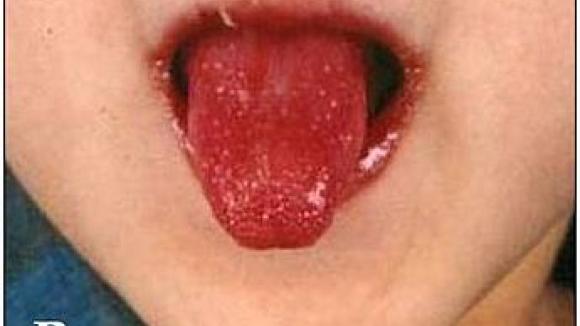
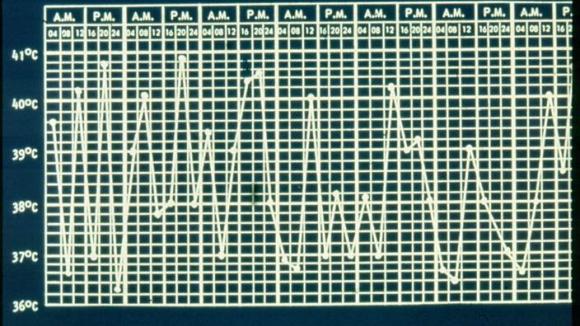
First-line treatment of systemic juvenile idiopathic arthritis (JIA) with anakinra (Kineret) was highly effective as monotherapy, minimizing the need for glucocorticoids, a single-center prospective study found.
Children of autoantibody-positive mothers who were born with congenital heart block were at high risk for developing later cardiovascular and autoimmune disorders, as were their siblings, Swedish researchers reported.

Dr. Jack Cush Reviews the news and journal articles from the past week on RheumNow.com
Dr. Jack Cush reviews the news and journal reports from the past week on RheumNow.com:
The drug retention rate of interleukin-1 inhibitors (IL-1) used to treat systemic juvenile idiopathic arthritis (JIA) appears to be quite high according to a new study.

Analysis of 128 Pediatric Rheum pts (JIA, FMF, etc) analzyed for reactions to 8 different biologics during 32,494 infusions/injections - the frequency of anaphylaxis (from TCZ or RTX) was 3.9% in children. https://t.co/GzvcR0R7Bv
By downloading this material, I acknowledge that it may be used only for personal use and personal education and that I will accredit RheumNow.com as the source and owner of this material. Commercial use or mass reproduction of this material without permission from RheumNow (info@rheumnow.com) is prohibited.


