The Annals of Rheumatic Disease has published the preliminary recommendations of the German Society of Rheumatology for the management of Inflammatory rheumatic diseases patients during the SARS-CoV-2/Covid-19 pandemic.
These preliminary recommendations are based on an expert consensus from 17 experienced German rheumatologists.

All News
The world has been turned upside down in the last 6 weeks. Medicine and rheumatology have certainly changed – a frightening experience for Chicken Little, a disaster for the pessimist, a challenge for the pragmatist and an opportunity for the optimists amongst us. Last week I asked our audience to tell me their “upside or downside of COVID-19”. Read on to see how your peers have operating or thinking.
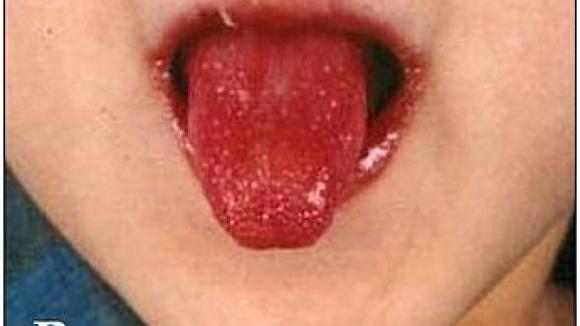
Pediatricians are asking the question - could this be a rare manifestation of COVID-19 in children?
In the last few days there have been encouraging "preliminary" reports that IL-6 inhibition by either tocilizumab or sarilumab may be efficacious in patients with severe coronavirus infections.
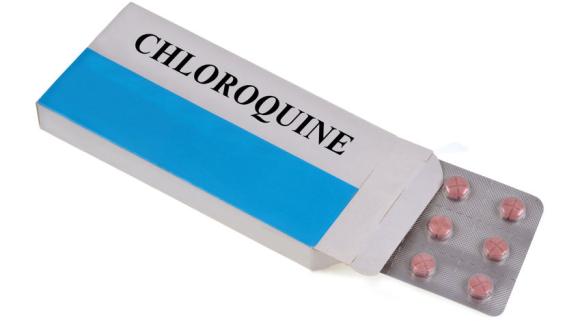
JAMA Open Network reports an interim analysis of the Brazilian CloroCovid-19 trial showing thta higher doses of chloroquine (CQ) in the treatment of severe COVID-19 was associated with QTc interval prolongation and increased mortality.
Dr Jack Cush reviews the news, journal reports, twitter feed and COVID developments from the past week on RheumNow.com
A pre-proof letter to the editor in the Journal of Allergy and Clinical Immunology presents a series of patients with immunoglobulin deficiency disorders and how they differentially responded when infected with the coronavirus.
They identified seven Primary Antibody Deficiencies patients with COVID-19 infection; five affected with Common Variable Immune Deficiencies and two affected with Agammaglobulinemia, one with X-linked Agammaglobulinemia and one with Autosomal Recessive Agammaglobulinemia.
A National Institutes of Health (NIH) expert panel has developed consensus treatment guidelines for the management of coronavirus (COVID-19). To date no drug has been proven to be safe and effective for treating COVID-19. Moreover, they found no evidence to recommended the use of hydroxychloroquine for prophylaxis or treatment of COVID-19 outside of a current clinical trial.
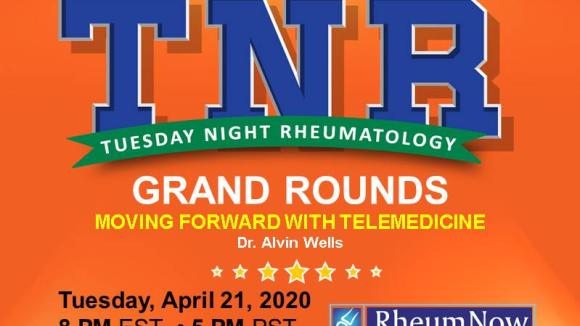
Dr. Alvin Wells gives a primer on Telerheumatology and Telemedicine in the era of COVID-19. This 1 hour Grand Rounds Presentation includes a 30 minute lecture, followed by stimulating 30 minutes of Q&A with a rheumatology attendee audience.
Early reports on the COVID-19 pandemic allude to a cytokine storm or hyper-inflammation, especially in patients who succumbed to the illness.
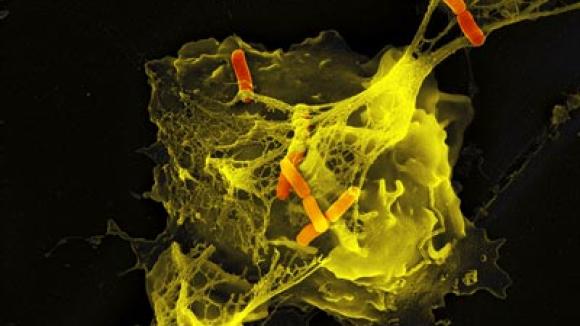
Journal of Experimental Medicine has published a paper from a consortium of researchers at Cold Spring Harbor Laboratory, the Feinstein Institutes for Medical Research, and the Research Institute of the McGill University Health Centre (RI-MUHC) on the potential of neutrophil extracellula
Dr. Jack Cush reviews the news, journal articles and new ACR COVID-19 guidelines from the past week on RheumNow.com.
The presentations of the COVID-19 infection have been clearly chronicled with the worrisome onset of sore throat, dry cough, loss of smell and taste with fevers, myalgias, fatigue and the worrisome progression of pulmonary involvement in a minority. Lab findings may include a leukocytosis,
On April 11th, the ACR Board of Directors approved a COVID-19 guidance document written by an ACR task force charged with updating and clarifying recommendations for rheumatologists and rheumatic disease patient management during the current COVID-19 crisis.
Dr Jack Cush reviews the news and journal reports from the past week on RheumNow.com
The New England Journal of Medicine has featured a report of three COVID infected patients, who developed peripheral and central infarcts with a antiphospholipid antibodies.
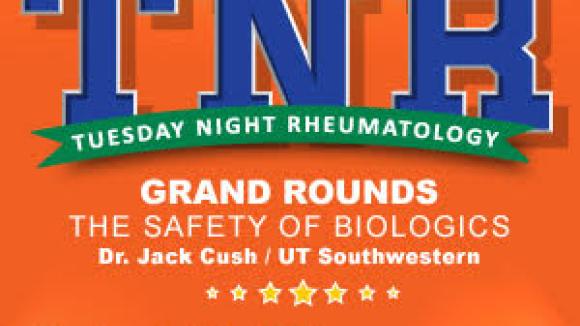
On Tuesday, April 7th, RheumNow hosted its first Tuesday Nite Rheumatology webinar - kicking off a two-month series of Rheumatology Grand Rounds lectures. The first session featured Jack Cush, MD (UT Southwestern) who lectured on "The Safety of Biologics and Newer Agents".
The incubation period for coronavirus disease 2019 (COVID-19) has important implications for surveillance and control activities. The Annals of Internal Medicine reports a pooled analysis of confirmed COVID-19 cases January 4, 2020 and February 24, 2020.
The differential susceptibility to COVID-19 infection is attributable to socioeconomic factors and genetic differences, that together with environmental factors, human-virus interactions, gender, perhaps blood type, and age-related senescence determine the immune response and the likelihood of developing disease.
On April 3rd, the National Institute for Health and Care Excellence (NICE) in the UK, published a rapid guideline for managing children and adults with rheumatological autoimmune, inflammatory and metabolic bone disorders during the COVID-19 pandemic, while protecting staff from infection.