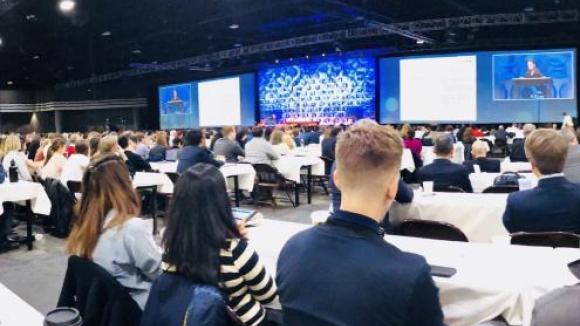
Over the years of navigating the annual meeting, I found the sessions with the most impact to my practice were the Plenary Sessions. During these sessions, the latest research is presented, new ideas are floated, and old myths debunked. Here are the top ACR2023 Plenary abstracts I found impactful for my practice.
All News
Pregnant women with autoimmune rheumatic diseases (ARDs) and antiphospholipid syndrome (APS) face significantly increased risks of cardiovascular events (CVEs). This increased risk is often attributed to ARDs, its medications or comorbidities associated with it.
Fatigue is highly prevalent in inflammatory rheumatic and musculoskeletal diseases (I-RMDs) patients, is often unaddressed and yet it has significant effects on patient quality of life. A EULAR task force set out to develop recommendations for the management of fatigue in people with I-RMDs.
We have known about the VEXAS (vacuoles, E1 enzyme, X-linked, autoinflammatory, somatic) syndrome for nearly 3 years, but there has been relatively little to say about how to treat it. To date there have been over twice as many publications about VEXAS (263 publications) as there have been patients described with respect to treatment strategies (116 patients). One of the late breaking abstracts may finally have rectified this imbalance.
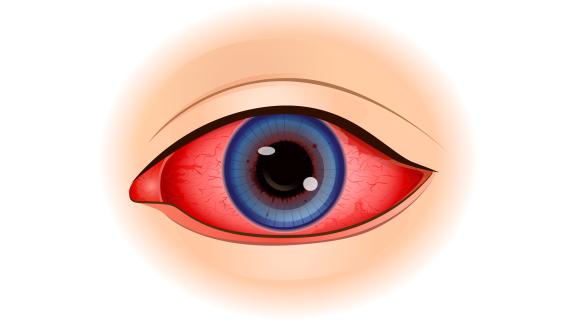
Acute anterior uveitis is the most common extra-musculoskeletal manifestation in axial spondyloarthritis (axSpA) affecting up to 50% of patients in some age groups. AAU can have a significant impact on quality of life with risk of permanent visual deficits if not adequately treated.
The current CDC report estimates that 1.3% of adults had myalgic encephalomyelitis/chronic fatigue syndrome (ME/CFS), based on the most recent population based National Health Interview Survey (NHIS 2021–2022).
Hemophagocytic Lymphohistiocytosis in Still's disease Dr. Bella Mehta discusses abstract 1143, presented at the 2023 ACR Convergence meeting in San Diego, CA. https://t.co/AFoKm6kT86 https://t.co/dLTjTOdbmv