
Article
The U.S. Food and Drug Administration has issued a new draft guidance document calling for a boxed warning and delineation of risks with breast implants.

Search for Terms or Answers
The U.S. Food and Drug Administration has issued a new draft guidance document calling for a boxed warning and delineation of risks with breast implants.

Dr. Jack Cush reviews the news and journal articles from the past week on RheumNow.com.
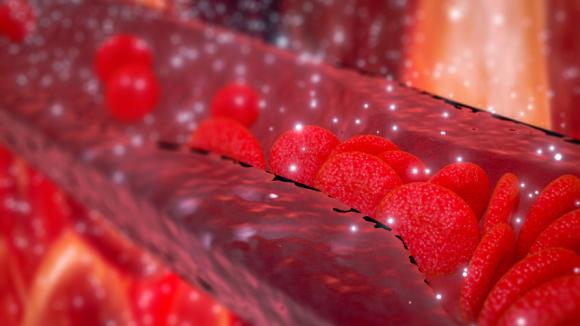
A 3 year, multicenter, European, study shows that rivaroxaban was inferior to warfarin in preventing thrombosis in patients with antiphospholipid syndrome (APS) according to the Annals of Internal Medicine. Thus despite the inconvenience of warfarin, it remains the best option for patients with APS.
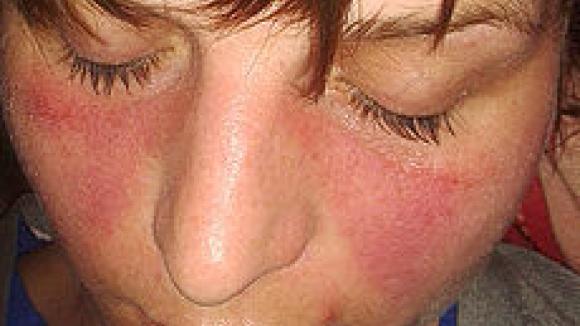
A prospective analysis of newly diagnosed, inflammatory arthritis (IA) patients suggests that perceived distress (stress) increases the odds of incident IA.

Elevated serum levels of interferon-α among patients whose systemic lupus erythematosus (SLE) was in remission helped predict future disease flares, European researchers found.
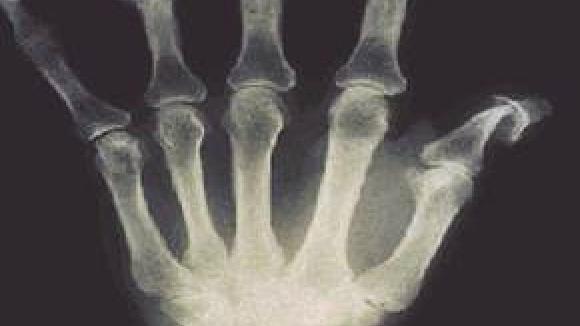
The FUTURE 5 trial studied the effect of secukinumab (SEC) on radiographic progression through 52 weeks in patients with active psoriatic arthritis (PsA) and found that SEC was clinically and radiographically superior to placebo (PBO).
Patients received s.c. secukinumab 300 mg load (300 mg), 150 mg load (150 mg), 150 mg no load regimens or placebo at baseline, at weeks 1, 2 and 3 and every 4 weeks starting at week 4. The majority (87%) of patients enrolled at baseline remained in the study for 52 weeks.
While the efficacy and safety of interleukin 1 (IL-1) inhibitors (e.g., anakinra) in the acute management of gout and pseudogout has been repeatedly shown, the cost efficacy of such biologic therapy has rendered it impractical for most. A new retrospective study has shown that IL-1 inhibitors may be effective and appropriate for some medically complex, hospitalized patients with acute gout or calcium pyrophosphate crystal arthritis.

A double-blind, placebo-controlled clinical trial of low-dose IL-2 in patients with systemic lupus erythematosus (SLE) has shown that low-dose IL-2 induced was clinically effective while expandng regulatory T cells and NK cells, which may benefit immune homeostasis in SLE patients.
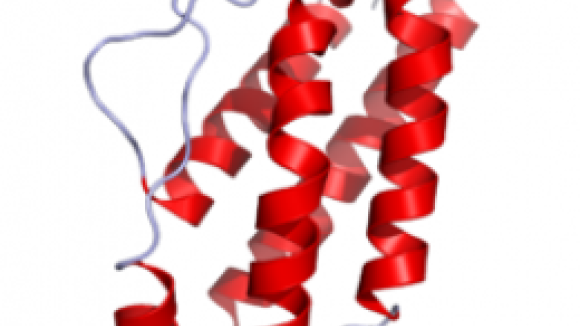
The interleukin (IL)-1 receptor antagonist anakinra (Kineret) showed promise in critically ill children who develop the often-lethal condition known as secondary hemophagocytic lymphohistiocytosis (sHLH)/macrophage activation syndrome (MAS), a retrospective single-center study found.

Bimekizumab is a dual inhibitor of IL-17A and IL-17F that has been shown to be effective in psoriasis and psoriatic arthritis. A proof-of-concept study shows that giving bimekizumab to rheumatoid arthritis patients not adequately controlled by certolizumab pegol resulted in a rapid decrease in disease activity achieved after 12 weeks of treatment. These findings are novel as anti-IL-17 monoclonal antibody therapy has previously been shown to be ineffective in RA.
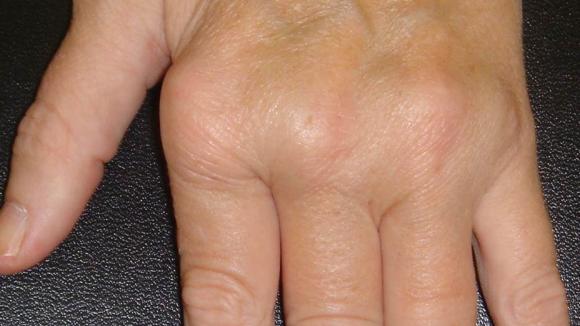
FDA's Vaccines and Related Biological Products Advisory Committee met in Silver Spring, Maryland, on March 6 and 22, 2019, to select the influenza viruses for the composition of the influenza vaccine for the 2019-2020 U.S. influenza season.
Immunologic remission in rheumatoid arthritis, defined as the disappearance of anti-citrullinated protein antibodies and rheumatoid factor, was seen infrequently among patients achieving sustained clinical remission and did not correlate with the disappearance of symptoms, a long-term Dutch study found.
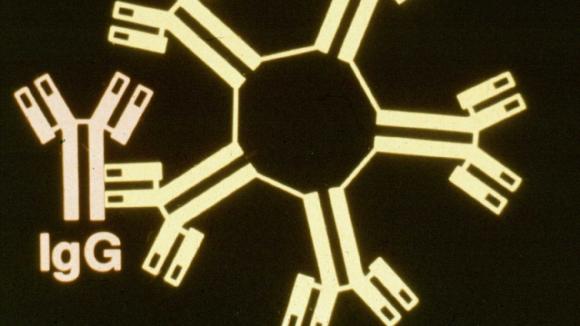
Serologic testing is the principal means of laboratory diagnosis of Lyme disease. Current recommendations include using a sensitive enzyme immunoassay (EIA) or immunofluorescence assay, followed by a western immunoblot assay for specimens yielding positive or equivocal results.
On July 29, 2019, the Food and Drug Administration cleared several Lyme disease serologic assays with new indications for use, allowing for an EIA rather than western immunoblot assay as the second test in a Lyme disease testing algorithm. Thus, serologic assays that utilize a second EIA in place of western immunoblot assay are acceptable alternatives for the serologic diagnosis of Lyme disease.

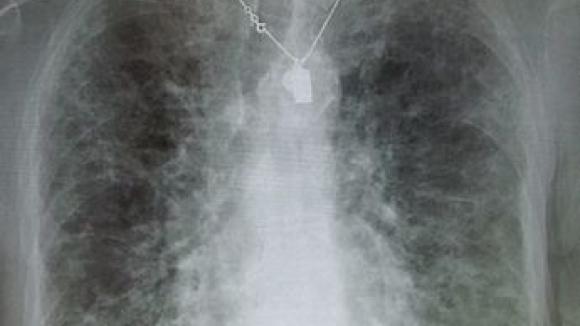
A longitudinal study from the BRASS registry shows that increase rheumatoid arthritis disease activity increases the risk of RA-associated interstitial lung disease (RA-ILD).
RA patients without RA-ILD at baseline, enrolled in the Brigham RA Sequential Study (BRASS, 2003–2016), were followed from 2003-2016 with serial clinical, DAS28, serologic and imaging assessments.
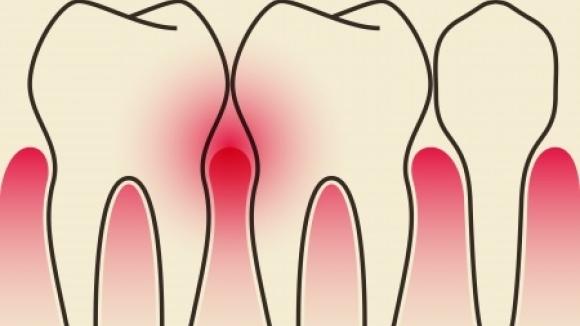
A cross-sectional study 48 CCP–positive "at risk" individuals (without arthritis) were shown to have an increased prevalence of periodontitis and P gingivalis when compared to 26 early RA (ERA) and 32 controls.
Dr. Jack Cush reviews the journal articles and news reports from the past week on RheumNow.com:
MMP-7 and Myositis-ILD; Post-surgical gout attacks; CV events and testosterone; and a Boxed warning for tofacitinib.
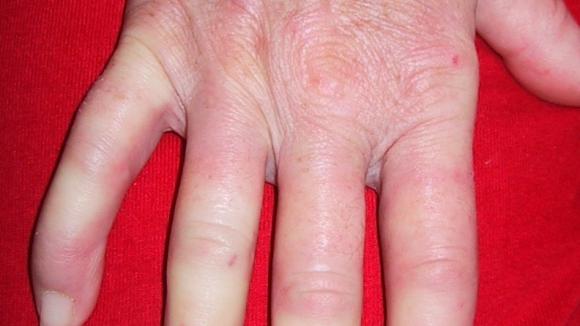
A 12‐month, Phase 2 trial has shown that subcutaneous abatacept was well tolerated in patients with diffuse cutaneous systemic sclerosis (dcSSc), but failed to significantly change the skin outcomes as measured by the change in modified Rodnan skin score (mRSS)
Dr. Jack Cush reviews the news, journal reports, and FDA releases and deliberations covered this past week on RheumNow.com
Myalgic encephalomyelitis/chronic fatigue syndrome affects at least 2 million people in the United States and bears tremendous overlap with fibromyalgia - both being difficult to diagnosis because the symptom complex is often unrecognized and these conditions have no biomarker test.

Editor's note: July 1 - 5, RheumNow is running the best of the EULAR 2019 meeting. At EULAR 2019, Madrid, several recommendations including RA, SLE, and Sjogren’s syndrome have been developed. Agreement for principles with respect to the treatment of immune mediated adverse events from cancer immunotherapy are lacking.

By downloading this material, I acknowledge that it may be used only for personal use and personal education and that I will accredit RheumNow.com as the source and owner of this material. Commercial use or mass reproduction of this material without permission from RheumNow (info@rheumnow.com) is prohibited.

