Article
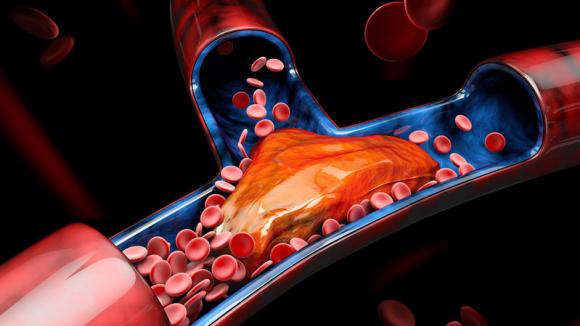
A large RA cohort study from the Swedish Rheumatology Quality Register shows a higher risk of venous thromboembolism (VTE) in rheumatoid arthritis (RA) and that risk is linked to RA disease activity.

Search for Terms or Answers
A large RA cohort study from the Swedish Rheumatology Quality Register shows a higher risk of venous thromboembolism (VTE) in rheumatoid arthritis (RA) and that risk is linked to RA disease activity.
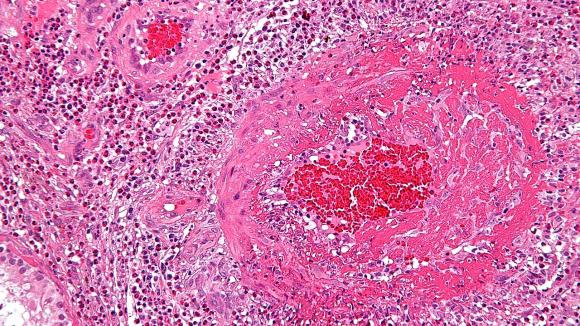
Two biologic therapies showed promise in the treatment of refractory or relapsing eosinophilic granulomatosis with polyangiitis (EGPA) in a retrospective European study.
Dr. Jack Cush reviews the news and journal articles from the past week on RheumNow.com. Regulatory approvals, update on global rheumatology alliance, smoking and psoriasis, gabapentin let down and defining difficult RA.

Dr. Jack Cush reviews the news and Journal articles from the past week on RheumNow.com.
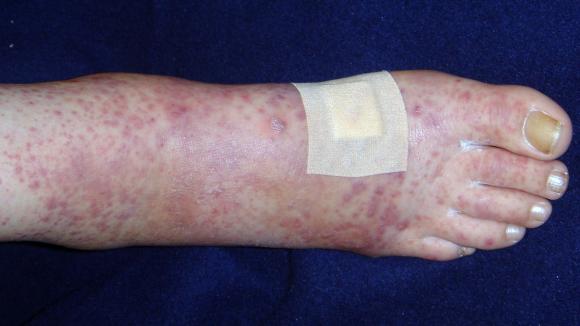
JAMA Dermatology expands the spectrum of complications seen with severe acute respiratory syndrome coronavirus 2 (SARS-CoV-2) infection describing cutaneous purpura and livedo lesions in patients with severe COVID-19.
Asymptomatic people who have been exposed to COVID-19 should be tested, the CDC said on Friday, in a reversal of controversial guidance the agency introduced in late August.

Research from Oxford University suggests a potential pathogenic role for the chemokine CXCR3 and clonally restricted CD8+ T cells in the pathogenesis of psoriatic arthritis (PsA) based studies of PsA synovial fluid samples obtained by arthrocentesis from 11 patients with large-joint oligo Ps
Dr Jack Cush reviews the news and journal reports from the past week on RheumNow.com:
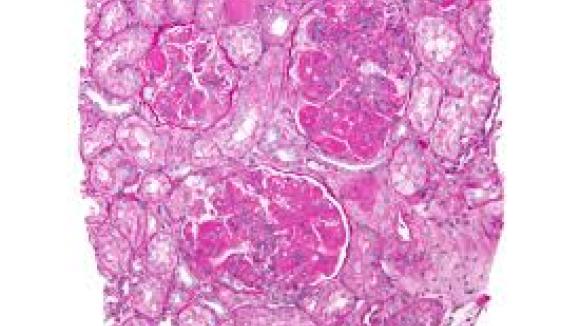
Dr. Rich Furie has lead a group of investIgators in reporting the significant efficacy of intravenous belimumab when added to standard of care induction therapy in patients with active lupus nephritis. This phase 3, 2-year study included 448 systemic lupus erythematosus patients with biopsy proven lupus nephritis (class III or IV +/- V) patients who required induction therapy and have a UPCR ≥1 g/g.
Dr Jack Cush reviews the news, journal articles and takes a few Back Talk questions this week:
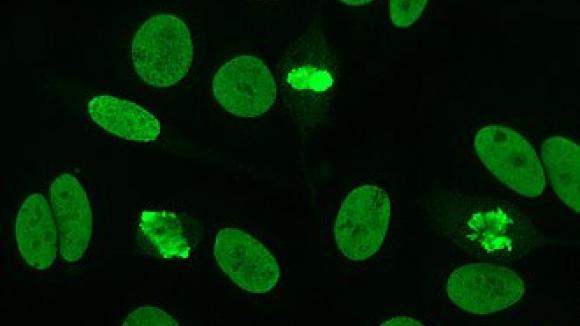
Pisetsky and Lipsky have reviewed the evolving literature on the utility of antinuclear antibodies (ANA). ANAs generated as part of an autoimmune disorder may form immune complexes that mediate pathogenesis by tissue deposition or cytokine induction.
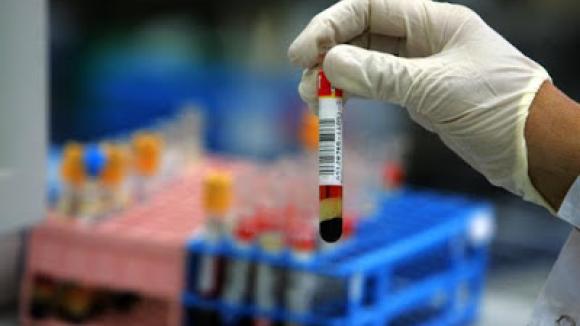
CDC reports that gmong 3,248 healthcare personnel (HCP) observed, 6% had antibody evidence of previous SARS-CoV-2 infection; 29% of personnel with SARS-CoV-2 antibodies were asymptomatic in the preceding months, and 69% had not previously received a diagnosis of SARS-CoV-2 infection.
A systematic review and meta-analysis of 68 diagnostic cohort studies (14 037 patients) suggests that no one feature is more impactful that the combination of symptoms, signs, and laboratory tests to diagnose the presence giant cell arteritis (GCA).
The Journal of Rheuatology reports a pooled analysis of patients from 16 observational RA registries that examined the association between seropositivity (RF or ACPA) with biologic DMARDs responses; they showed better clinical responses when seropositive RA patients receive abatacept (ABA) o

Dr Jack Cush reviews the news and journal reports from the past week on RheumNow: filgotinib rejection, delays in diagnosis, metformin benefits COVID, Abx and IBD, and UPA beats MTX.
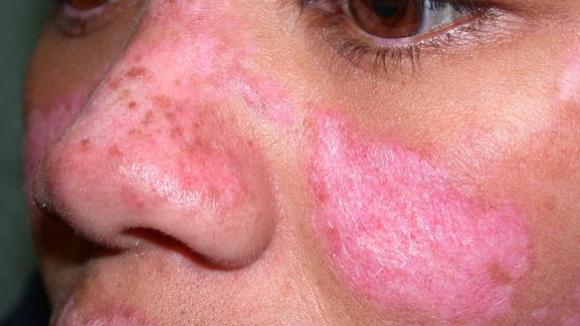
JAMA Dermatology has proposed an initial validation of classification criteria for discoid lupus erythematosus (DLE), primarily for research purposes, but with clinical applicatility.
JAMA Network Open reports that after adjusting for inflammation, lupus anticoagulant (LA) is significantly increased (positive) in COVID-19 patients and that LA positivity was associated with incidence risk of thrombotic events.
Dr. Jack Cush updates the news and journal articles from the past week on RheumNow.com, with information on enthesitis, nr-Ax-SpA, UAB, Blockbuster Rheum Drugs and use of ACE inhibitors.

By downloading this material, I acknowledge that it may be used only for personal use and personal education and that I will accredit RheumNow.com as the source and owner of this material. Commercial use or mass reproduction of this material without permission from RheumNow (info@rheumnow.com) is prohibited.