Article
Several recent publications have focused on the risk and outcomes of rheumatic disease (RDD) and autoimmune patients who become infected with SARs-CoV-2.

Search for Terms or Answers
Several recent publications have focused on the risk and outcomes of rheumatic disease (RDD) and autoimmune patients who become infected with SARs-CoV-2.

Dr. Jack Cush reviews why we all love our rheumatology fellows and our best advice for them stemming from these articles.
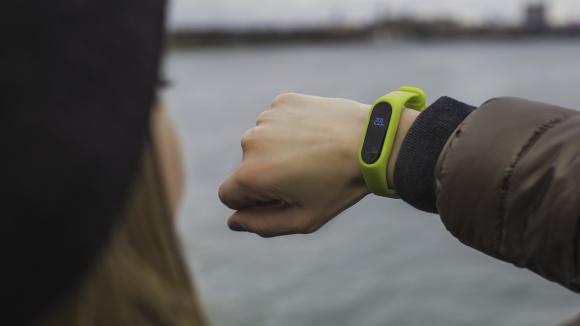
In this lockdown, virtual medicine, post-COVID world, wouldn't it be ideal to have an reliable digital readout on patient activity as a measure of health?
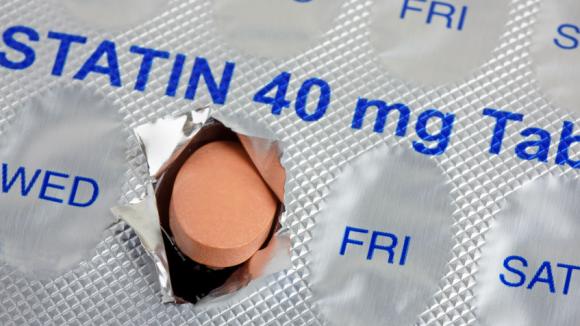
Ridker and colleagues have shown that statins (3-hydroxy-3-methylglutaryl coenzyme-A (HMG Co-A) reductase inhibitors) are effective at treating hyperlipidaemia and lowering C-reactive protein levels; Aranaow and colleagues have shown that lovastatin, when given to rheumatoid arthritis (RA) patients with elevated CRP levels failed to significantly lower disease activity.
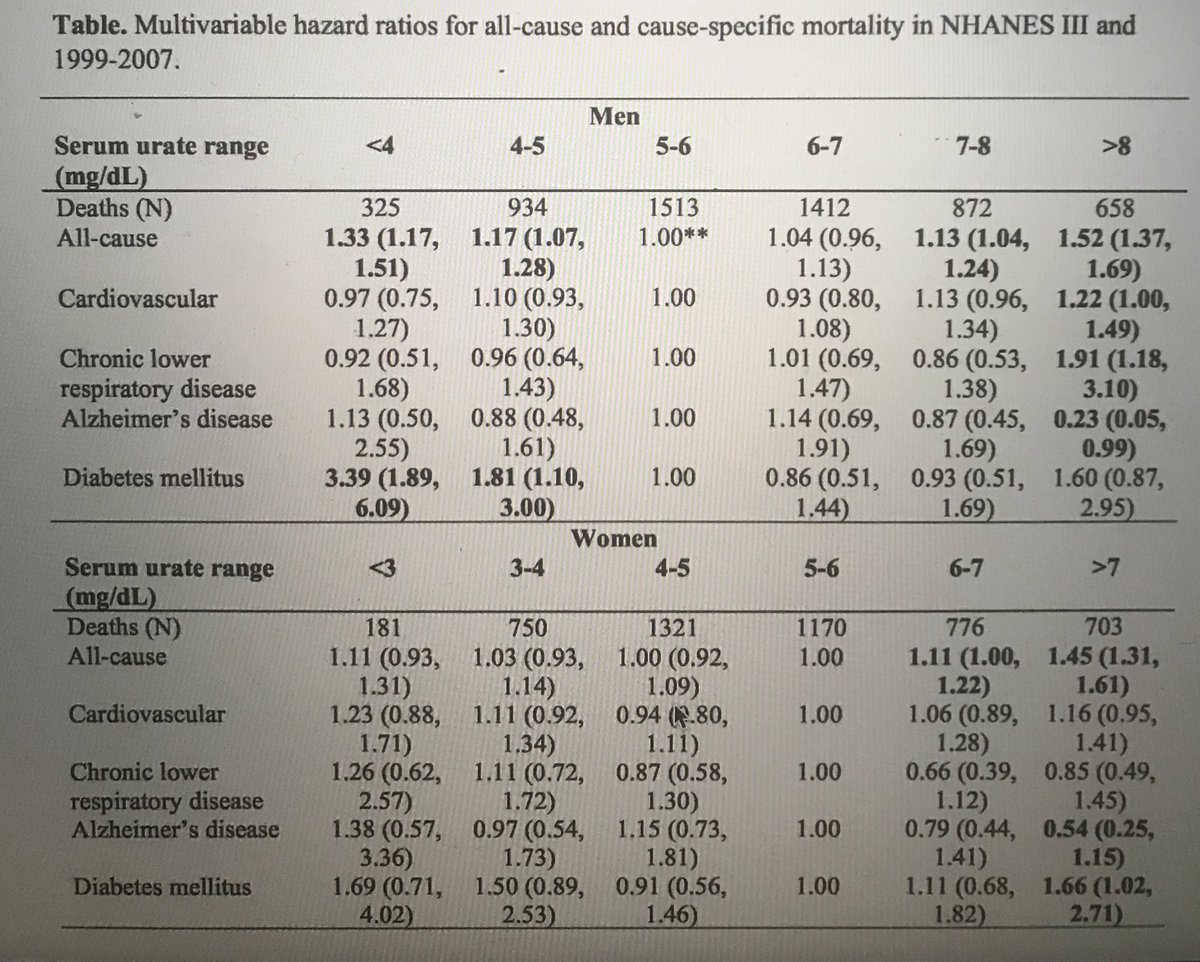
A study from 2 gout clinics implementing different treatment strategies has shown that a treatment strategy that aims to strictly achieve low uric acid (UA) results in a higher a rate of targetd serum UA lowering and less gout flares.

The efficacy of intravenous pegloticase (PEG) therapy in gout can be limited by its toxicity, but when coadministered with weekly methotrexate, higher response rates and less toxicity was observed.
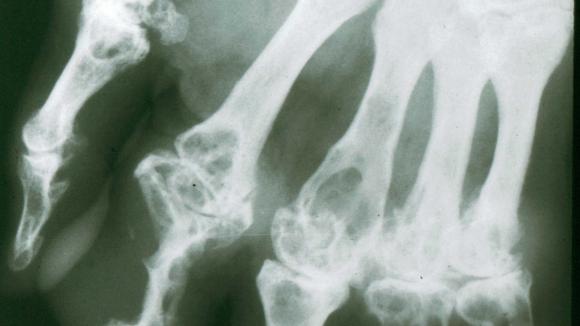
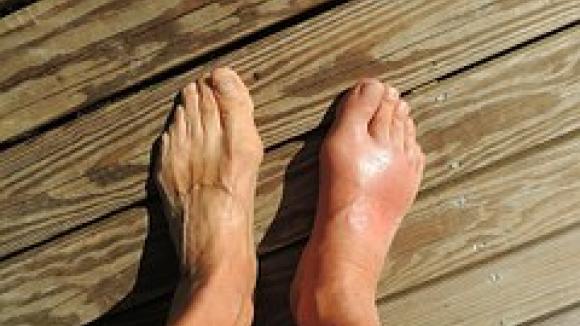
Danve and Neogi have an editorial in the current Arthritis & Rheumatology about the burden of gout that affects 41 million adults worldwide, according to the Global Burden of Disease Study 2017 (GBD 2017) also published in the same issue.
This makes gout twice as prevalent as rheumatoid arthritis (19 million). This prevalence of this most common inflammatory arthritis is undermined by numerous challenges in the diagnosis and examples of insufficient disease management. The editorial points out the magnitude of the disease and the many challenges facing rheumatologists.
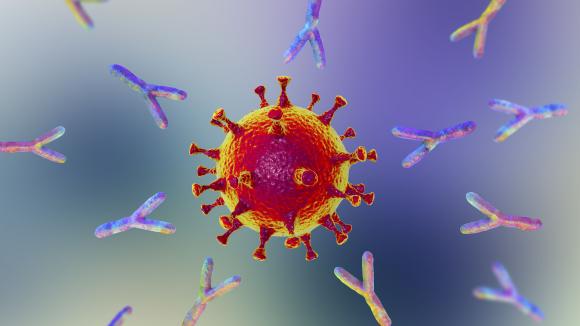
In an Annals of Rheumatic Disease report, Italian investigators performed consecutive testing for SARS-CoV-2 (IgM and IgG) between 25 March to 25 May 2020 and compared test results between rheumatic disease (RMD) patients and the general population.
According to a small, observational study out of UCLA published as correspondence in the NEJM on July 21, 2020, those with mild COVID-19 symptoms showed an approximate antibody half-life of 73 days.
COVID-19 infection was confirmed by PCR in 30 out of 34 study participants. The remaining four patients developed consistent symptoms and cohabitated with a person who had a known positive test but could not get testing due to availability or mild symptoms.
The number of reporting cases of COVID-19 infection tends to underestimate the true prevalence of infection as only the more severe cases (e.g.,acute respiratory syndrome) get tested or go to the hospital. JAMA Internal Medicine reports that a cross-sectional seroprevalence study from the U.S. shows that COVID-19 is underreported and that actual infection rates can be 6 to 24 times more prevalent than currently reported infections due to SARS-CoV-2.
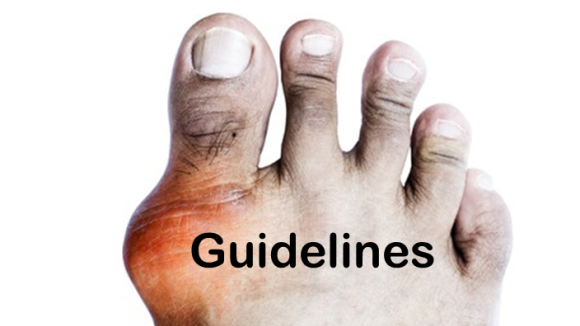
In May, the American College of Rheumatology (ACR) released the"2020 Guideline for the Management of Gout"reflecting new clinical evidence since the last guideline published in 2012.
The high potency calcineurin inhibitor voclosporin plus standard of care was superior to standard of care alone in a phase III study of lupus nephritis known as AURORA.
For patients with gout exacerbations while on pegloticase (Krystexxa), adding methotrexate may help reduce uric acid levels, researchers suggested at the European League Against Rheumatism (EULAR) virtual meeting.
In a small open-label study of 14 patients experiencing acute gout attacks, use of the pegloticase/methotrexate combination reduced uric acid levels to near undetectable levels in 11 patients, reported John Botson, MD, medical director of Orthopedic Physicians Alaska in Anchorage. He noted that this was far below the 5 mg/dL level recognized as the threshold for development of inflammation that causes gout attacks.

These were my top abstracts from Thursday, 4th of June at EULAR 2020:


By downloading this material, I acknowledge that it may be used only for personal use and personal education and that I will accredit RheumNow.com as the source and owner of this material. Commercial use or mass reproduction of this material without permission from RheumNow (info@rheumnow.com) is prohibited.