
Article
Comorbidity is a serious consequence or confounder in patients with inflammatory diseases. This has been well described in both psoriatic and rheumatoid disease.

Search for Terms or Answers
Comorbidity is a serious consequence or confounder in patients with inflammatory diseases. This has been well described in both psoriatic and rheumatoid disease.
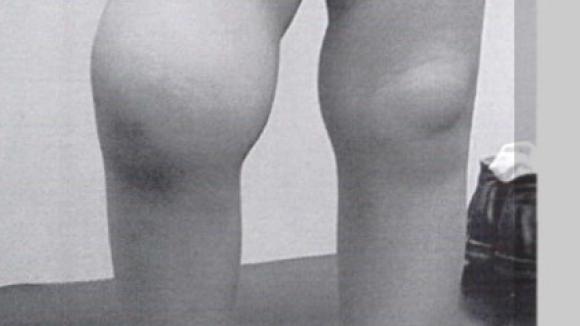
Patients with systemic lupus erythematosus (SLE) incur substantial morbidity and complications that may lead to hospitalizations and increased cost of lupus care. Researchers from the University Health Network in Toronto have published a review of SLE hospitalizations showing thta while comm

Dr. Jack Cush reviews the news from the past week on RheumNow.com:
It is well-known that patients with systemic autoimmune diseases are at risk for Pneumocystis jirovecii pneumonia (PJP) and although infrequent, it carries a high mortality. A new study shows lymphopenia and steroid use increases the risk of PJP.

Researchers from Augusta University have examined exosomes from patients with knee osteoarthritis (OA) to enhance our molecular understanding of the pathogenesis of OA. (Citation source http://buff.ly/2tuDZ3v)
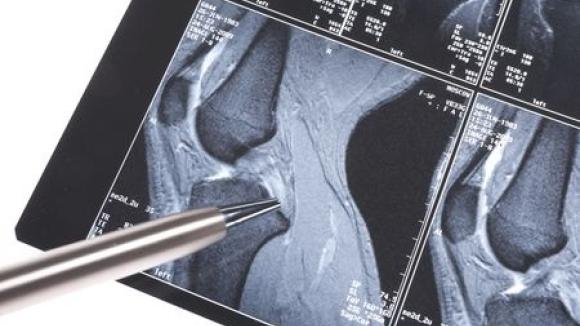
Bone turnover markers (BTMs) have been eyed for decades as potential monitoring tools in osteoporosis.

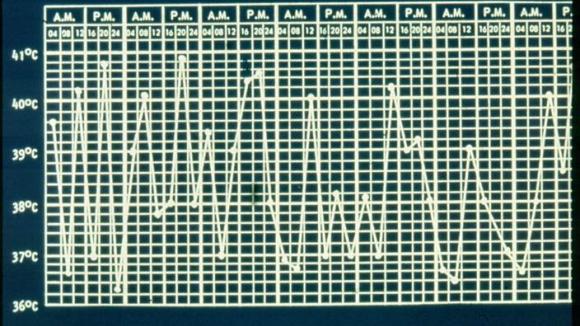
Adult-onset Still disease (AOSD) is usually regarded as an autoinflammatory disease, largely because of its symptomatology and responsiveness to IL-1 inhibition.
Dr Jack Cush reviews highlights from the news last week on RheumNow.com:

A retrospective analysis of four European vasculitis trials analyzes the risk venous thromboembolism (VTE) with ANCA-associated vasculitis and shows that CRP, cutaneous and GI involvement and baseline creatinine were most associated with VTE risk.
Patients with active axial spondyloarthritis (axSpA) can lack evidence of inflammation on magnetic resonance imaging (MRI) but may develop evidence of inflammation over time.
An article in the Journal of Bone and Mineral Research reports that physical activity during adolescence is an important determinant in bone strength. (Citation source http://buff.ly/2oph6vO)
Dr. Jack Cush reviews highlights from the news and Advances in Targeted Therapies meeting in Mandelieu, France:
Tweeting this week from Advances in Targeted Therapies #ATT2017 in Mandelieu, France.
Dr. Jack Cush reviews news and highlights from the past week on RheumNow.com.

A comprehensive review of psoriatic arthritis (PsA) was published this week in the NEJM, authored by leaders in the field, Drs. Ritchlin, Colbert and Gladman.
High points from their review inlcuded:
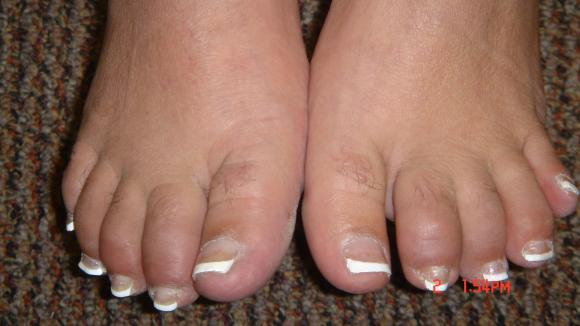
Most physicians believe they understand and can manage gout. Yet, the number of gout patients has risen at an alarming rate and the introduction of 4 new drugs has done little to close the education gap and improve the care and outcomes of gout patients. Misuse, misunderstandings and missed opportunities abound in the wide world of gout.

The February 2017 RheumNow “Live Vote” surveyed US and non-US rheumatologists about their beliefs and practices regarding folic acid and methotrexate (MTX) use. A total of 495 responses were tabulated in 2 weeks. Here are the results, and comments from Dr. Kremer on his preferred answers to these questions.

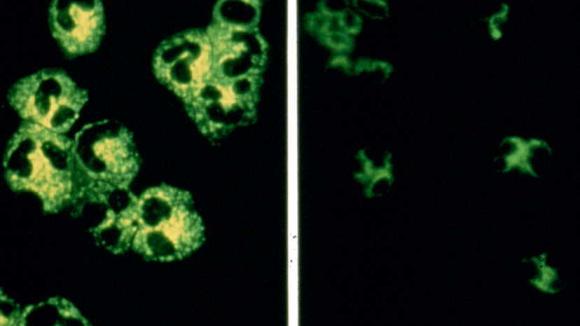
Patients known to be autoantibody positive (e.g., anti- Jo1) for the anti-synthetase syndrome were assayed by indirect immunofluorescence (IIF) for other reactivities, showing antinuclear staining (ANA) or cytoplasmic staining (Anti-Cyt Ab+).
Dr. Cush reviews highlights from the past week on RheumNow.com.

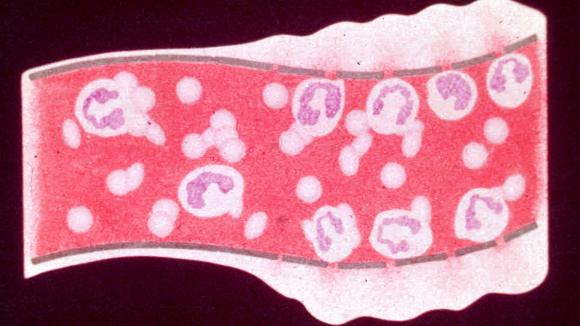
Researchers from the Massachusetts General Hospital (MGH) have studied the initial steps in an animal model of inflammatory arthritis and found that complement C5a is critical to neutrophils migration into joints.
Interchangeability, or the substitution of a biosimilar for its innovator biologic, is on the horizon. Will the prescriber chose the biosimilar in place of the originator? Or will this allow pharmacists or healthcare plans to substitute a biosimilar, without intervention from a healthcare provider?

By downloading this material, I acknowledge that it may be used only for personal use and personal education and that I will accredit RheumNow.com as the source and owner of this material. Commercial use or mass reproduction of this material without permission from RheumNow (info@rheumnow.com) is prohibited.

