Highlights from Tuesday and Wednesday (days 3 and 4) from the ACR annual meeting include: the important and impactful abstracts covered by the Rheumatology Roundup session; upadacitinib clinical trials; and the baricitinib CV and VTE safety analysis.

All News
Monday was a packed day of sessions and studies. Here are our just a few of our highlights.
RheumNow is in Chicago covering the ACR annual meeting. Here are the highlights from Sunday (day one). Be sure to check our complete coverage, including articles, video reports and tweets, at acr18.rheumnow.com.
Dr. Jack Cush reviews the news from the past week on RheumNow.com.
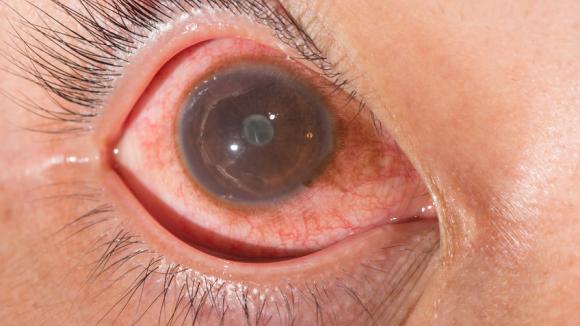
Researchers from Germany have studied a large cohort of juvenile idiopathic arthritis (JIA) patients and shown that JIA disease activity scores and laboratory biomarkers could be used to better define the group of JIA patients at high risk of uveitis onset.
Multiple studies have shown that elderly rheumatoid arthritis (RA) patients tend to be under-treated and receive DMARD therapies less often than younger RA patients.
Dr. Jack Cush reviews the news from the past week on RheumNow.com, including news on inappropriate opioids, pre-clinical RA treatment, DMARDs in Gout, the decline of arthroscopy, and a pain in the mouth.
Venous thromboembolism (VTE) is a common adverse event throughout medicine and includes both pulmonary embolism (PE) and deep vein thrombosis (DVT). The cost of diagnosing a thromboembolic event is approximately $4000 - $5550, while the annual cost of treating one case of VTE is betwe
Implementing a treat-to-target approach for the care of rheumatoid arthritis (RA) did not result in an increase in adverse events or resource use, a post-hoc analysis of a randomized trial showed.
A study from the British Society for Rheumatology Biologics Register in Axial Spondyloarthritis (BSRBR-AS) shows that biologic use significantly improves work productivity and overall activity impairment.
An odd side effect of several new agents is the risk of hyperlipidemia. While this has been seen with tocilizumab (TCZ), there does not appear to be a resultant risk of cardiovascular (CV) events. A study of claims data compared CV risk in rheumatoid arthritis (RA) patients receiving TOC (an IL6 receptor antagonists) and other biologics and found no differences with regard to CV outcomes.
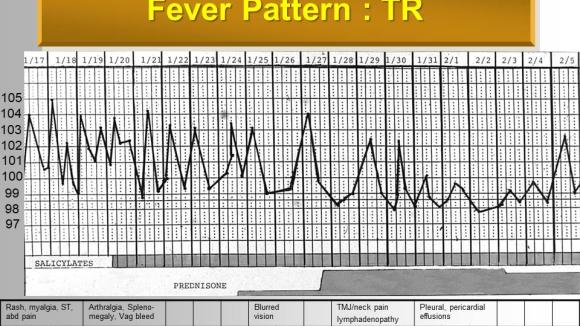
In July 2018, RheumNow launched a “Live Vote” survey of US and non-US rheumatologists that asked how they diagnose and treat systemic juvenile idiopathic arthritis (sJIA), also known as “Still’s disease”. It appears that many prefer to start therapy with an IL-1 inhibitor, after a course of steroids and MTX/DMARD. Yet, these findings suggest there are significant unmet needs in the diagnosis and management of sJIA patients.
The current issue of the CDC's MMWR reviews the new seasonal recommendations for vaccination against influenza. This is an update to the previous recommendations of the Advisory Committee on Immunization Practices (ACIP).
Dr. Jack Cush comments on the last week's news and journal highlights on RheumNow.com.
Yesterday, the American College of Rheumatology (ACR) met with U.S.
Comorbidity is pervasive and complicates medical care in general. It can be a by-product of aging. It may result from drug therapy or an inciting disease process and may be part of the constellation that defines the primary disorder. A growing body of evidence that suggests that comorbidity has a significant dampening effect on drug responsiveness and, adds to poorer outcomes in patients with inflammatory arthritis.
There is a large body of data that shows tumor necrosis factor inhibitors (TNFi) use in rheumatoid arthritis (RA) confers the same risk as that seen in RA - meaning there is no increase over and above that incurred by inflammation and RA itself. There are fewer studies about whether it is s
The type of biologic disease-modifying anti-rheumatic drug (DMARD) being used and remission duration were important factors predicting whether remission was maintained among patients with rheumatoid arthritis after cessation of the biologic, a Japanese study found.
A prospective study of psoriasis patients from the British Association of Dermatologists Biologic Interventions Register demonstrated that infliximab therapy yielded 2-3 times more serious infection than seen in those treated with non-biologic DMARDs or methotrexate (MTX).
Dr. Jack Cush reviews the news and journal reports from the past week on RheumNow.com.