
Article
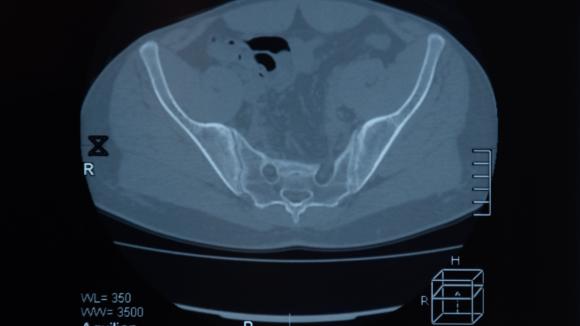
The TORTUGA trial tested filgotinib, a JAK1 inhibitor, in active ankylosing spondylitis (AS) patients and was shown to be both effective and capable of retarding sacroiliac (SI) joint erosions as early as 12 weeks.

Search for Terms or Answers
The TORTUGA trial tested filgotinib, a JAK1 inhibitor, in active ankylosing spondylitis (AS) patients and was shown to be both effective and capable of retarding sacroiliac (SI) joint erosions as early as 12 weeks.
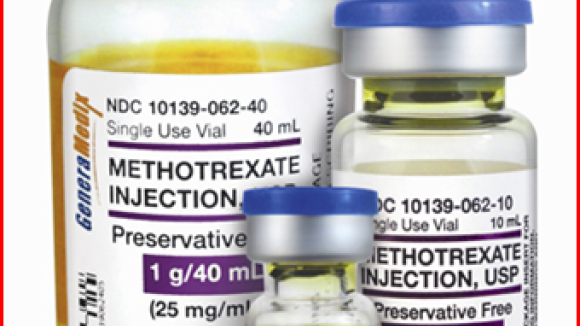
A large, single-rheumatology center analysis of oral and subcutaneous (SC) methotrexate (MTX) use in daily clinical practice suggests that SC MTX has fewer drug discontinuations and is better tolerated compared to other DMARD therapies.
Post-vaccination disease flares were uncommon among patients with rheumatic and musculoskeletal diseases who were inoculated against COVID-19, researchers found.
A retrospective analysis of the ACR RISE registry shows that multimorbidity is not only common in patients with active rheumatoid arthritis (RA), but also impacts treatment choices and outcomes.

Randomized clinical trials in primary Sjögren's syndrome (pSS) are fraught with fault and inconclusive outcome measures, including the more recently developed EULAR Sjögren's Syndrome Disease Activity Index (ESSDAI). There's a new composite endpoint outcome for RCTs in pSS, called the Composite of Relevant Endpoints for Sjögren's Syndrome (CRESS).
A prospective, longitudinal study of the cognitive development of children born to mothers with rheumatoid arthritis (RA) demonstrates normal development as measured by comparative school test scores.

AstraZeneca announced today that anifrolumab (Saphnelo or anifrolumab-fnia) was approved by the the Food and Drug Administration (FDA) for that treatment of adult patients with moderate to severe systemic lupus erythematosus (SLE) who are receiving standard therapy.

How much psoriasis do you need to have in order to have psoriatic arthritis? This plus a review of rheumatology and COVID news from the past week on RheumNow.com.

Registry data suggests an increased risk of herpes zoster (HZ, shingles) in rheumatoid arthritis (RA) patients taking JAK inhibitors (JAKi) but also with other biologic DMARDs, compared to csDMARDs.

The ARTIS Study Group has published their analysis of (non-skin) cancer risk in rheumatoid arthritis, claiming the overall safety of biologic DMARDs and targeted synthetic DMARDs (tsDMARDs).

Methotrexate and leflunomide (LEF) are the most widely prescribed DMARDs worldwide; yet biologic DMARDs are the newest and best selling agents for rheumatoid arthritis worldwide.

An increased cardiovascular disease (CVD) risk in rheumatoid arthritis is well known and feared but an RA cohort study suggests that preventive medication use in RA patients lags behind that seen in diabetes mellitus (DM).

Today the Centers for Disease Control and Prevention (CDC) said that masks should be used by those vaccinated against the coronavirus in public indoor spaces in parts of the country where the virus is surging.

Medscape has published the annual U.S.

Disease activity leads to poor outcomes; but does comorbidity add to this? A recent analysis suggests that while comorbidities do not affect long-term, functional outcomes, sociodemographic factors do affect outcomes in rheumatoid Arthritis (RA).

Sparks and colleagues have published data from the Global Rheumatology Alliance noting that among rheumatoid arthritis (RA) patients afflicted with COVID-19 infection, there was little influence of their baseline biologic or targeted synthetic (b/ts) disease-modifying antirheumatic drug

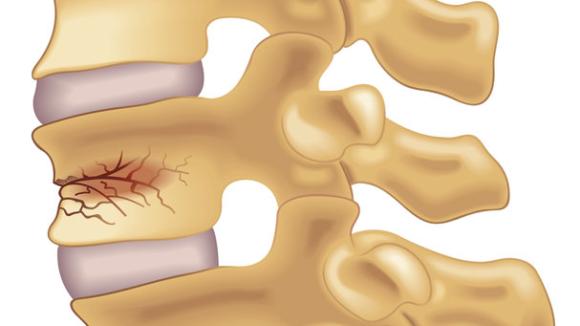
A large RA cohort analysis shows that low-dose glucocorticoid therapy in rheumatoid arthritis (RA) patients may carry an increased risk of vertebral osteoporotic (OP) fractures.
Deodhar and colleagues have published the results of a study showing that in adult patients with active ankylosing spondylitis (AS), oral tofacitinib was effective (versus placebo) and is safe.

The National Databank for Rheumatic Diseases reports a significant increased in cannabis use amongst arthritis patients between 2014-2019, suggesting patients are more frequently engaged in self-management of pain and the unmet need for a pain relieving, opioid-sparing alternative.

Patients with inflammatory/autoimmune diseases who initiated treatment with interleukin (IL)-17 inhibitors did not have a higher risk for the development of inflammatory bowel disease (IBD), but only after taking into account the severity of their underlying disease, French investigators reported

By downloading this material, I acknowledge that it may be used only for personal use and personal education and that I will accredit RheumNow.com as the source and owner of this material. Commercial use or mass reproduction of this material without permission from RheumNow (info@rheumnow.com) is prohibited.