

Blogs
Infections Rheums Should Worry About
With the increasing development and use of new biologics and oral targeted therapies to treat RA and other immune mediated inflammatory diseases, an awareness of infection risk and prevention has become of increasing interest as well. While our patients may be susceptible to many different types of infections depending on immunosuppressive regimen, age and co-morbidities, I’ll highlight a few of the “usual suspects”.Hard Conversations: DMARDs and Malignancy
Cancer is the most difficult DMARD risk to discuss with patients. Few warnings could scare people away from a drug faster than the words “may increase risk of cancer,” yet the risks (even when substantiated) have all been low and may be counterbalanced by the benefits of disease control.
Multimorbidity in RA
Multimorbidity is a little bit different than comorbidity, which may be a term that you're more familiar with. In comorbidity, we put rheumatoid arthritis as our focus, whereas in multimorbidity, we put the patient at the center of our focus.B Cell Depletion in RA: The future is bright
The incredible potential of B cell depletion in rheumatic diseases was heralded by its activity in the treatment of rheumatoid arthritis (RA) over 20 years ago. Rituximab (RTX) was cemented into the armamentarium of RA by its efficacy in TNF-inhibitor inadequate responders (REFLEX).Best of 2022: Toss of a Coin - How do You Choose PsA Medication?
When balancing all these disease domains, individual phenotypes, and comorbidities, sometimes treatment decisions can feel like tossing a coin. Fortunately, numerous guidelines have been published to help us do better than tossing a coin…or do they?Best of 2022: Methotrexate in PsA
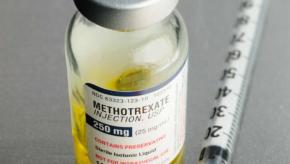
Until the publication of the SEAM trial, evidence in the medical literature for the efficacy of the most commonly used drug for psoriatic arthritis worldwide, methotrexate, has been lukewarm at best. Yet we all employ it commonly, either as monotherapy or in combination with biologic or targeted synthetic DMARD treatment. It is inexpensive and widely available, and only modestly toxic.2021 GRAPPA Recommendations - Looking Back, Looking Forward
With the recent publication of the third iteration of the GRAPPA Psoriatic Arthritis (PsA) treatment recommendations, it seems to be an auspicious time to reflect on some key considerations that arose during the development of the recommendations, as well as to look towards what the future may hold.A Domain-Based Approach to the GRAPPA Psoriatic Arthritis Treatment Recommendations
With their publication in June 2022 (1), the 3rd iteration of the Group for Assessment of Psoriasis and Psoriatic Arthritis (GRAPPA) Treatment recommendations for Psoriatic Arthritis (PsA) may have set a record or sorts.