

Researchers have revealed the modulatory effect of the anti-inflammatory metabolite itaconate (ITA) on T helper and T regulatory cells, which may lead to new therapeutic approaches to treating some autoimmune diseases.
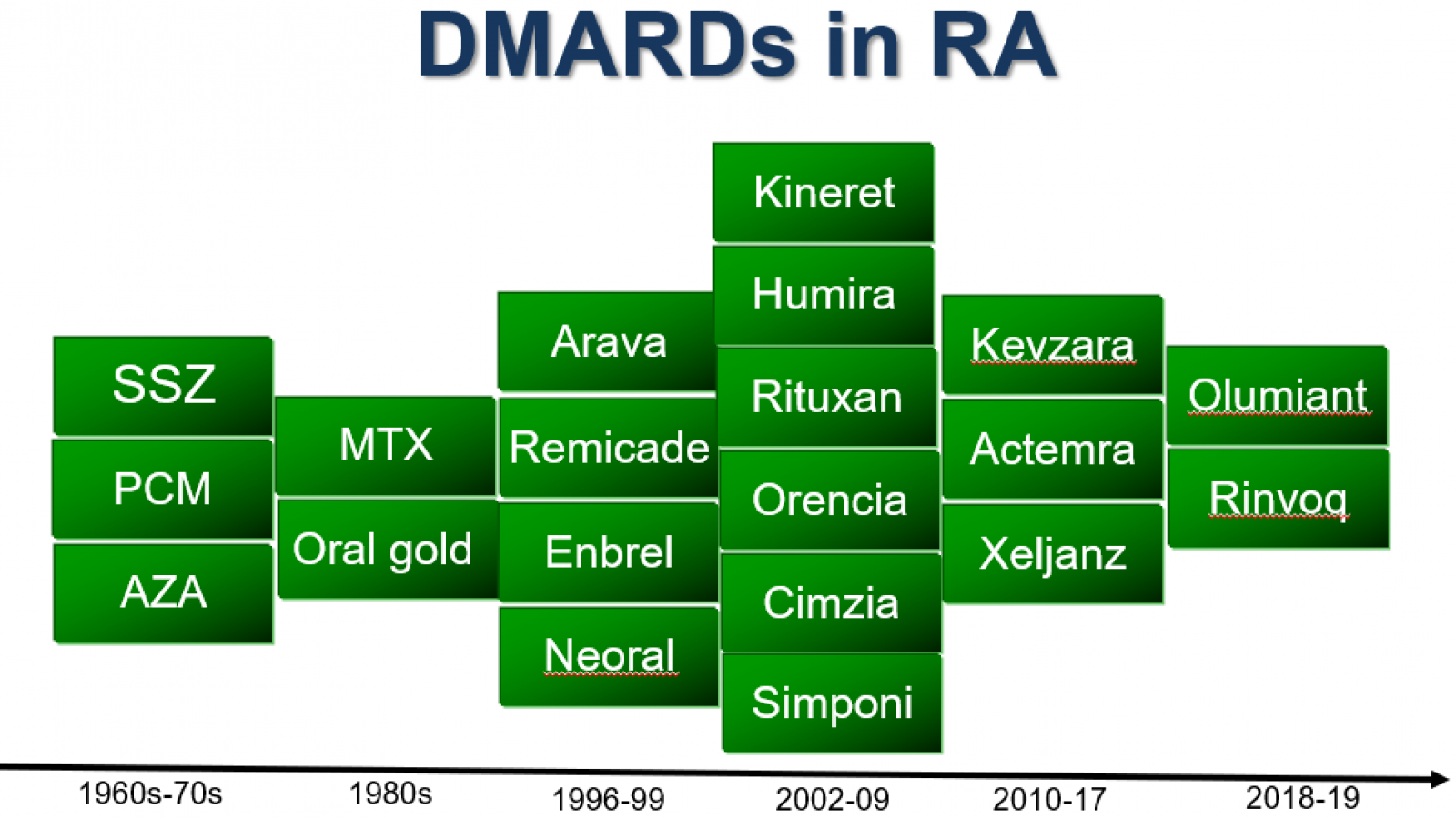
An international task force of 13 European experts have developed evidence-based points to consider regarding the cost-effective use of biological and targeted synthetic disease-modifying antirheumatic drugs (b/tsDMARDs) in the treatment of inflammatory rheumatic diseases (including rheumatoid arthritis, psoriatic arthritis and axial spondyloarthritis).
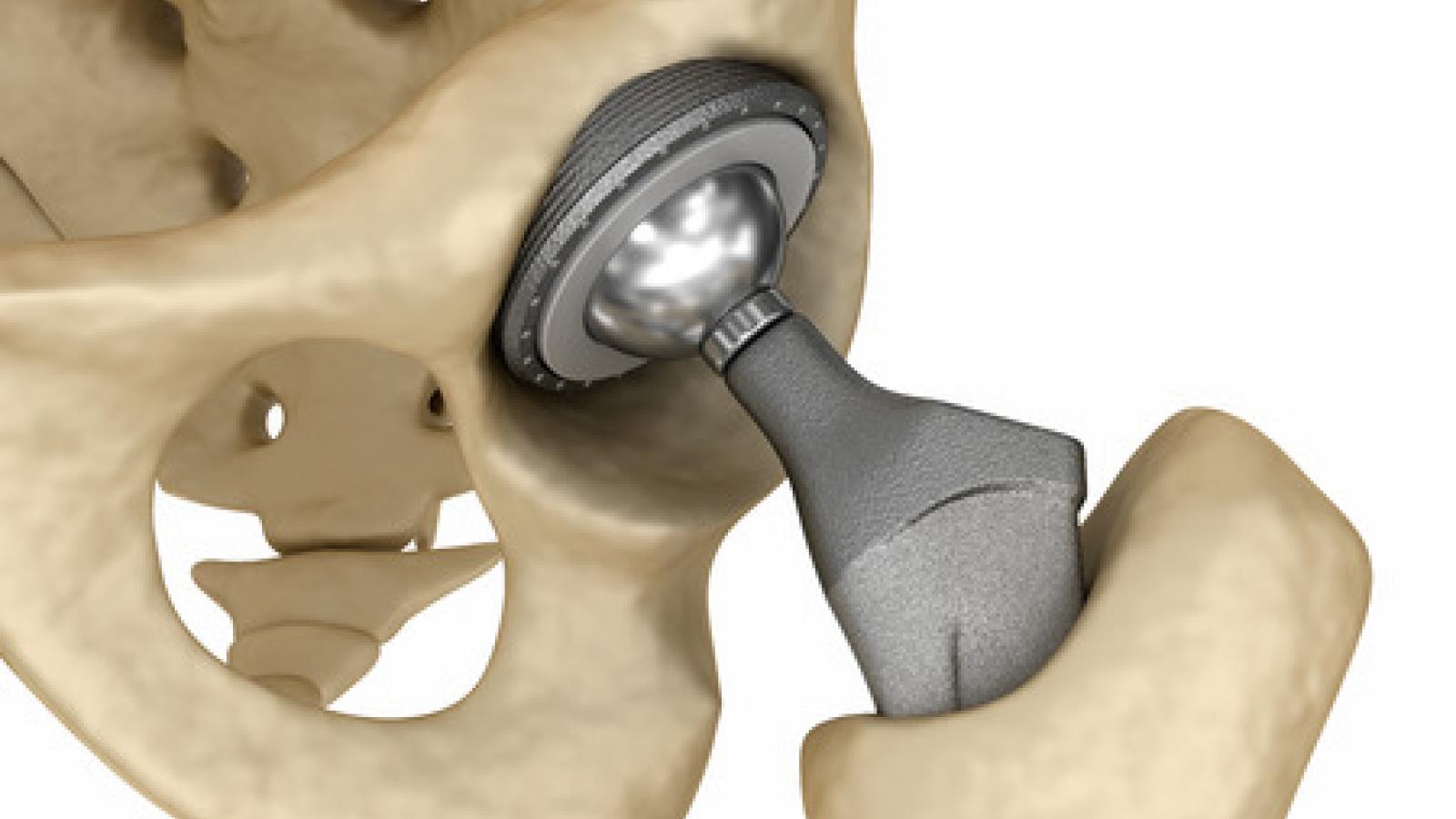
The American College of Rheumatology (ACR) and the American Association of Hip and Knee Surgeons (AAHKS) released a summary of its new guideline titled “The Optimal Timing of Elective Hip or Knee Arthroplasty for Patients with Symptomatic Moderate to Severe Osteoarthritis or Osteonecrosis Who Have Failed Nonoperative Therapy.”

A prospective, pragmatic, open-label, randomized trial conducted by the UK National Health Service, studied interventions in patients with carpal tunnel syndrome (CTS) and found no advantage to either CTS corticosteroid injection (CSI) or night splinting (NS) as the initial treatment of CTS.

Intensity of distance running had no bearing on the prevalence of hip and knee osteoarthritis among participants in recent editions of the Chicago Marathon, researchers reported here.
Dr. Jack Cush Reviews the News and Journal articles from the past week on RheumNow. This weeks highlights includes insights on scleroderma, myositis, vasculitis and answers the question - does aggressive biologic treatment of psoriasis prevent future psoriatic arthritis?
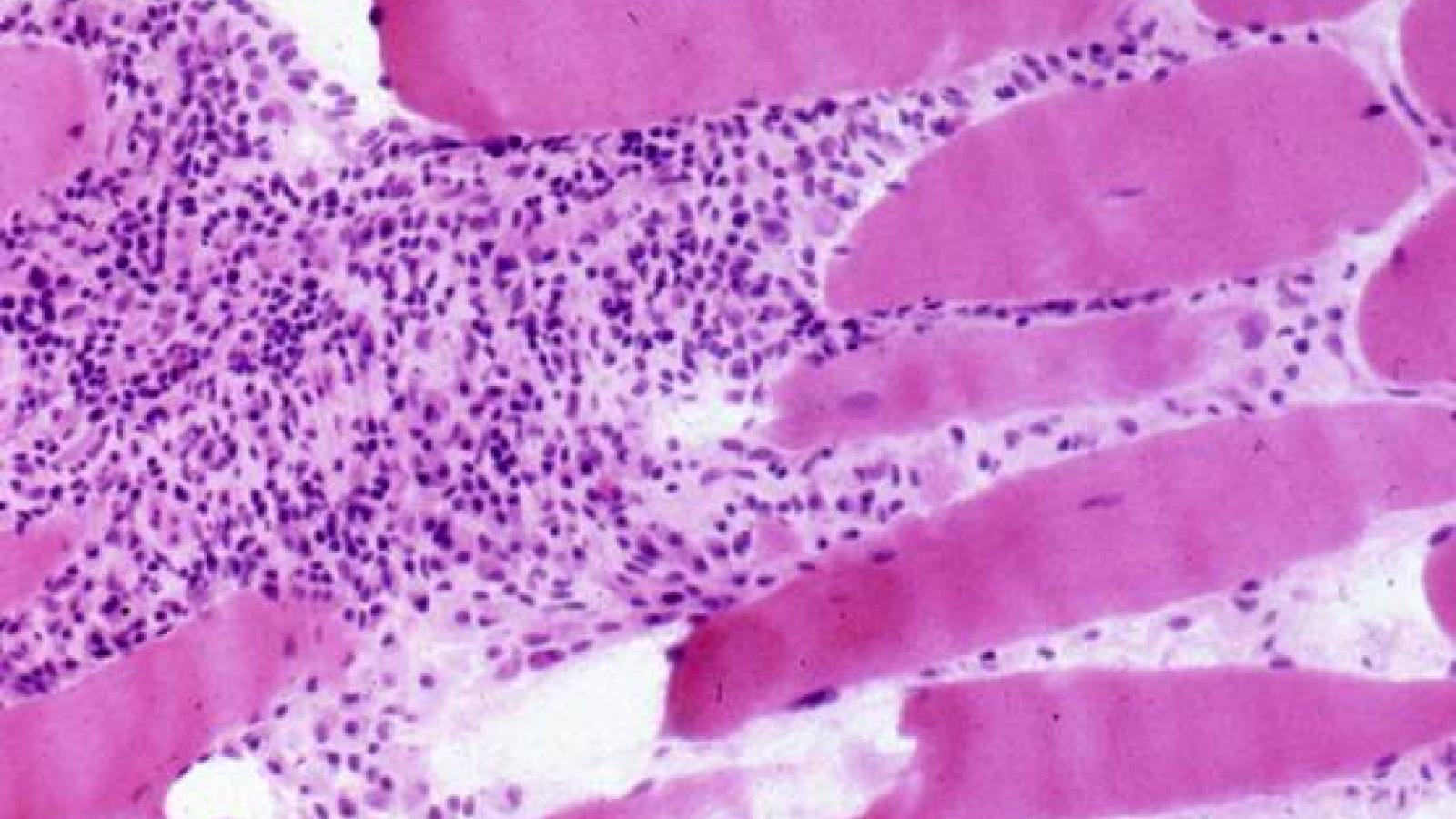
A single center cohort study analyzed the outcome and survival of idiopathic inflammatory myositis (IIM) patients and showed good 5 and 10 year survival but showed significant declined 15-25 years post-diagnosis.
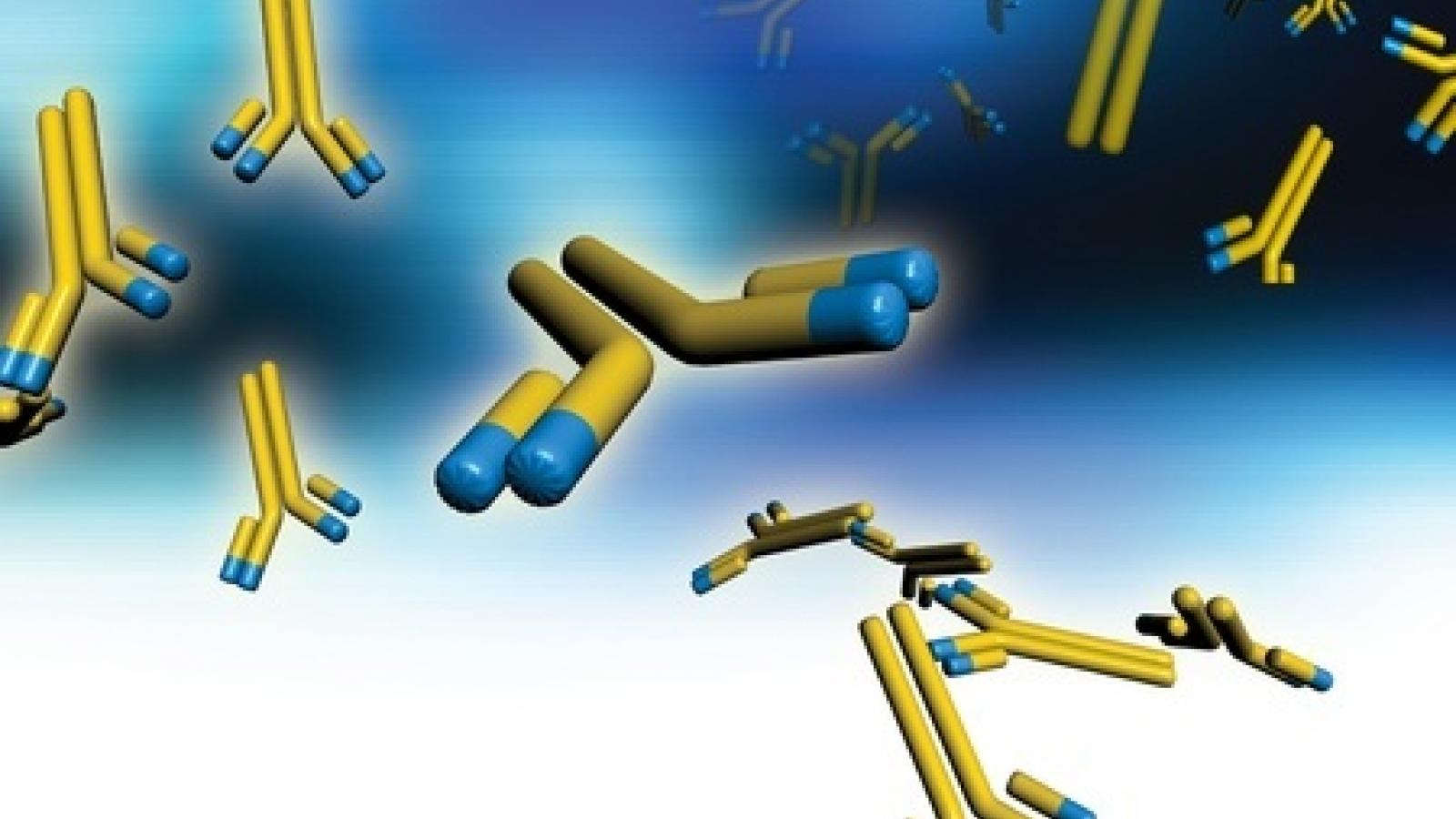
A multinational study of rheumatoid arthritis (RA) patients shows a variety of post-translationally modified anti-modified protein antibodies (AMPA). While AMPA differed in different ethnic populations, their levels correlated with total serum IgG.

A Medicare study shows that young adults with systemic lupus erythematosus (SLE) exhibit very high 30-day rehospitalization rates (36%) that are significantly higher than older SLE patients and age matched non-SLE patients.
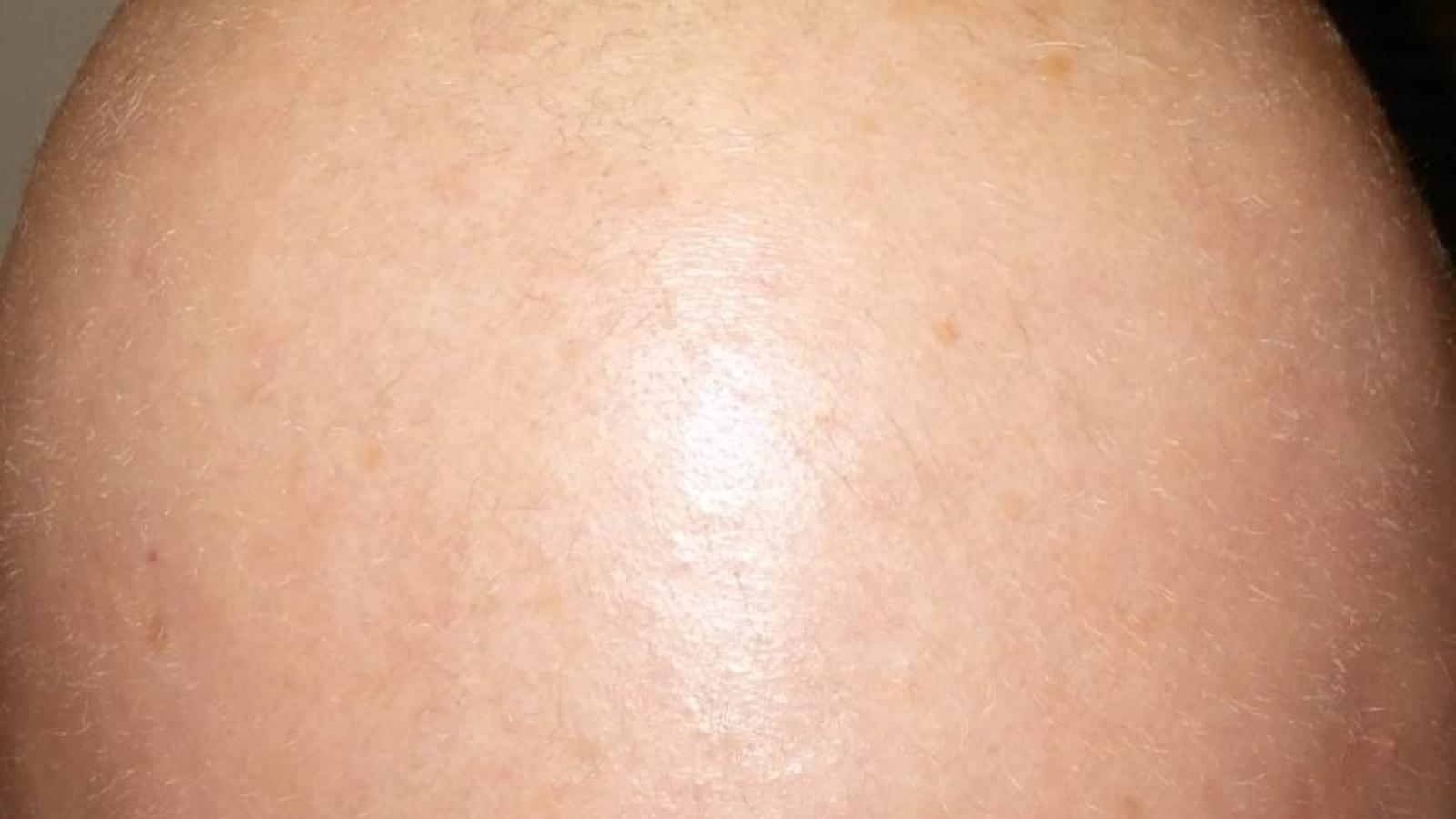
Alopecia areata totalis (AT) and universalis (AU) are the most severe and difficult to treat forms of alopecia areata (AA). Yet a randomized controlled trial has shows that the combination of methotrexate (MTX) and low-dose prednisone can yield complete hair regrowth in nearly one-third of patients.

Retrospective claims analysis shows that psoriasis patients treated with either an IL-12/23 inhibitor or an IL-23 inhibitor had a lower risk of developing incident psoriatic arthritis, compared to TNF inhibitors or IL-17 inhibitors.
There has been considerable debate whether established cutaneous psoriasis patients can avert or lessen the risk of future inflammatory arthritis if treated aggressively with biologic therapy.
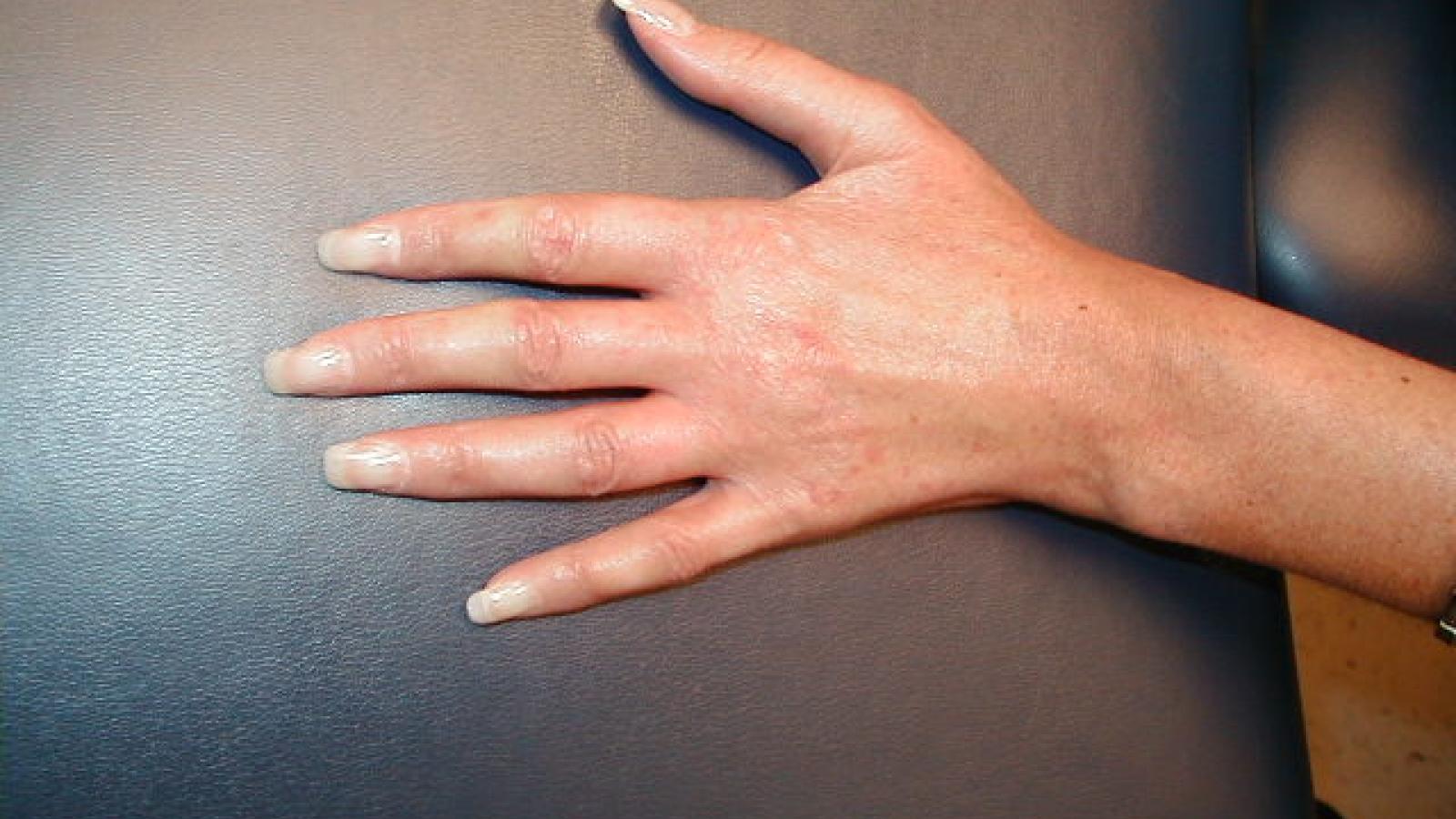
A small cohort trial of rituximab (RTX) in 29 systemic sclerosis patients showed significantly improved skin sclerosis and lung function after a follow-up of 96 weeks.

Bearing in mind that renal impairment is among the worst complications of ANCA-associated vasculitis (AAV), researchers have identified four different trajectories of kidney function over time in AAV patients, with implications for personalized treatment, as well as future research.
Dr. Jack Cush reviews the lastest journal articles, news, and FDA announcements from the past week on RheumNow. This week, the importance of IFNa, Subclinical PsA and NSAID safety during Pregnancy.

A novel trial has shown that combination biologic therapy (guselkumab plus golimumab) to be more effective in ulcerative colitis than either biologic alone.

