

Dr. Jack Cush reviews the news and journal reports from RheumNow.com - and the top 5 reasons to attend RheumNow Live 2026, which is one week away.
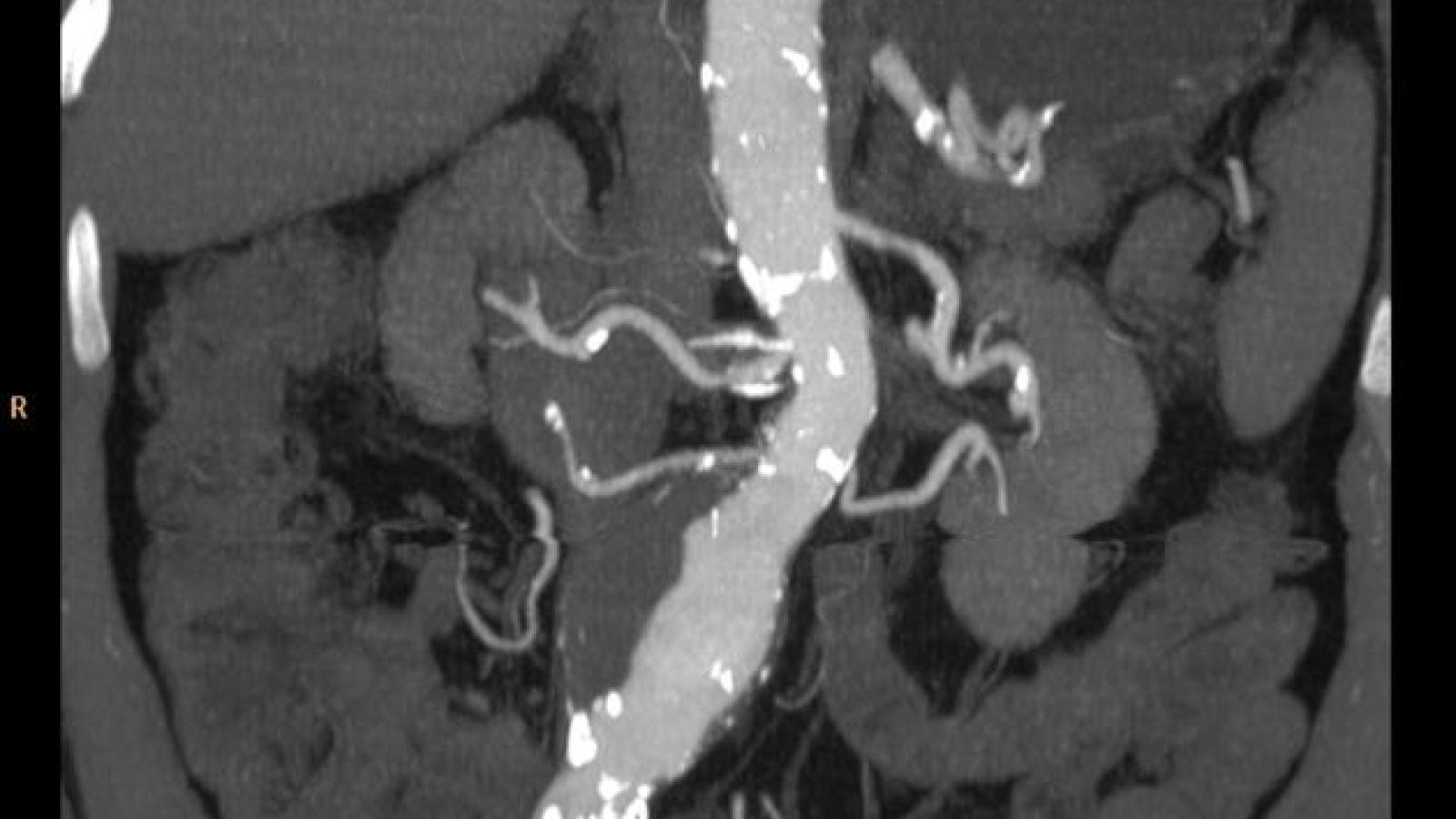
The The Tocilizumab in Giant Cell Arteritis Spanish Collaborative Group studied giant cell arteritis with aortitis, comparing the efficacy of intravenous vs. subcutaneously (SC) tocilizumab (TCZ) - demonstrating the superiority of SC TCZ.

Retraction of rheumatology studies is not uncommon; a recent analysis shows retractions have risen substantially.
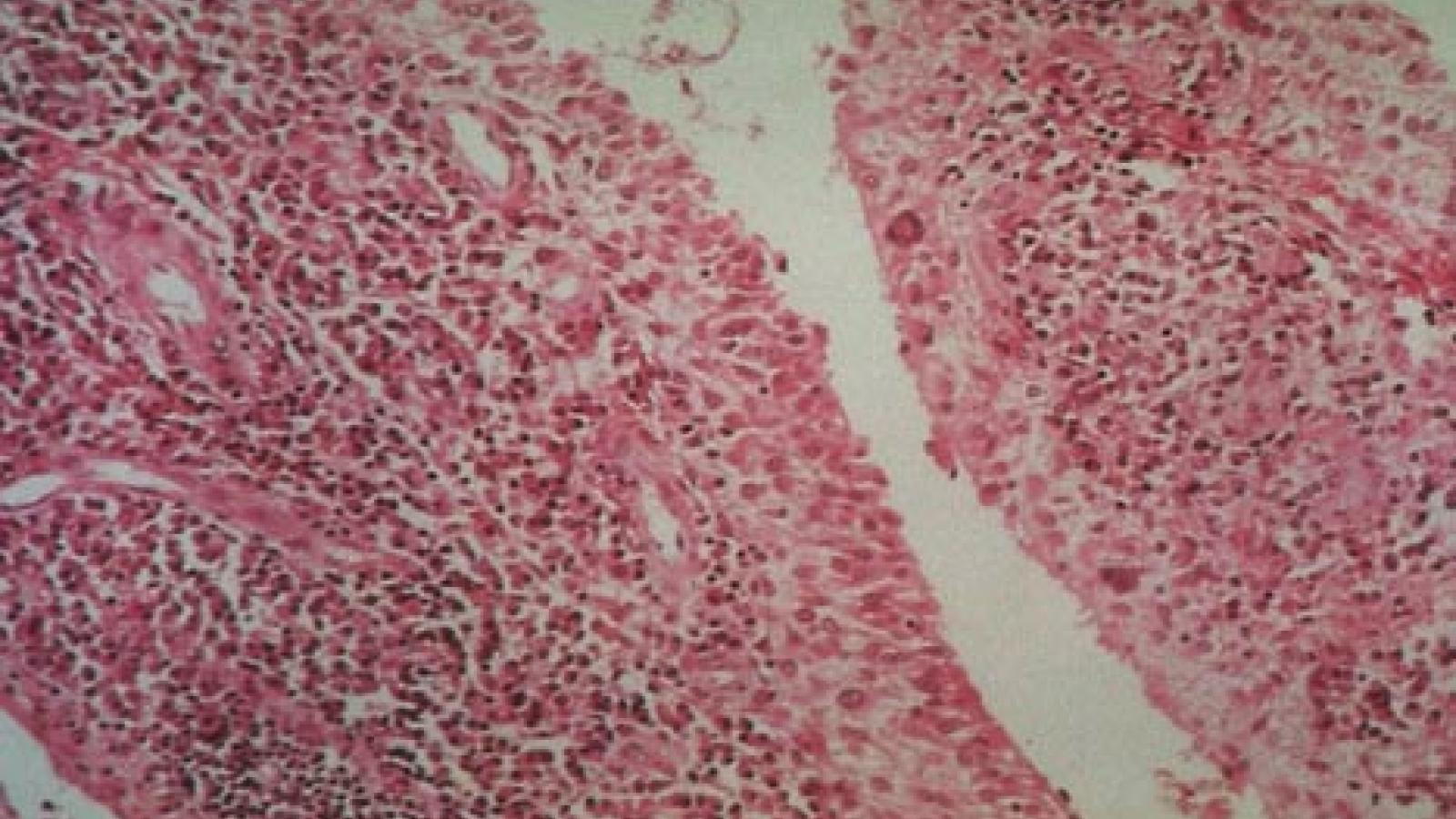
Spatial transcriptomic profiling of rheumatoid arthritis (RA) synovial biopsies (pre- and post-treatment) has revealed new insights into the pathobiology or treatment resistent RA.
Dr. Cush addresses the management of difficult-to-treat rheumatoid arthritis (D2TRA).

Patients with osteoarthritis (OA) primarily affecting only one knee joint compartment did just as well with partial knee replacement (PKR) as with total arthroplasty after 10 years in a randomized trial -- and maybe a little bit better.
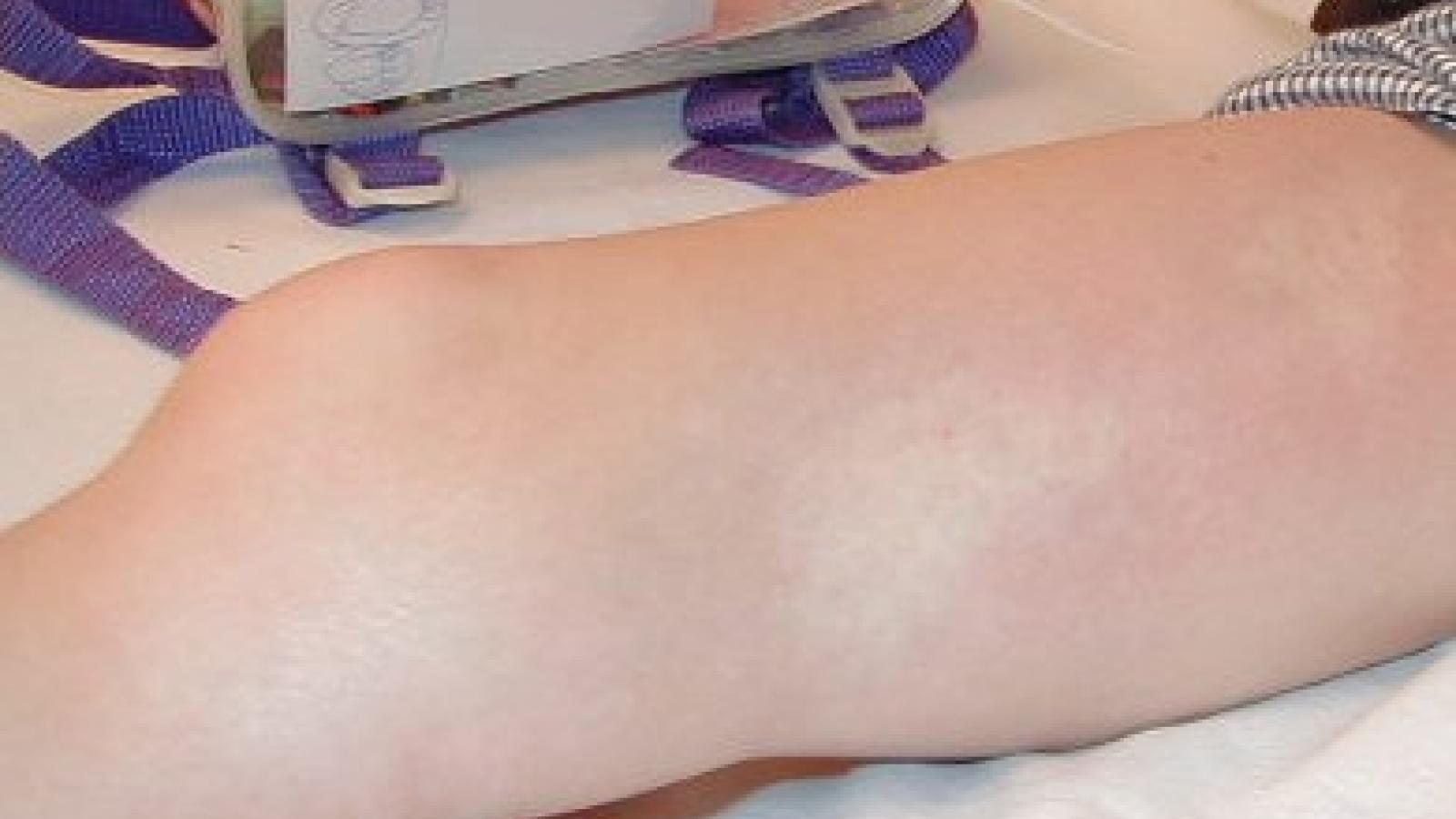
JAMA Dermatology has published the results of a juvenile localized scleroderma (JLS) trial showing that mycophenolate mofetil (MMF) and methotrexate (MTX) are equally effective in treating JLS, noting low flare rates and possibly better tolerability with MMF.
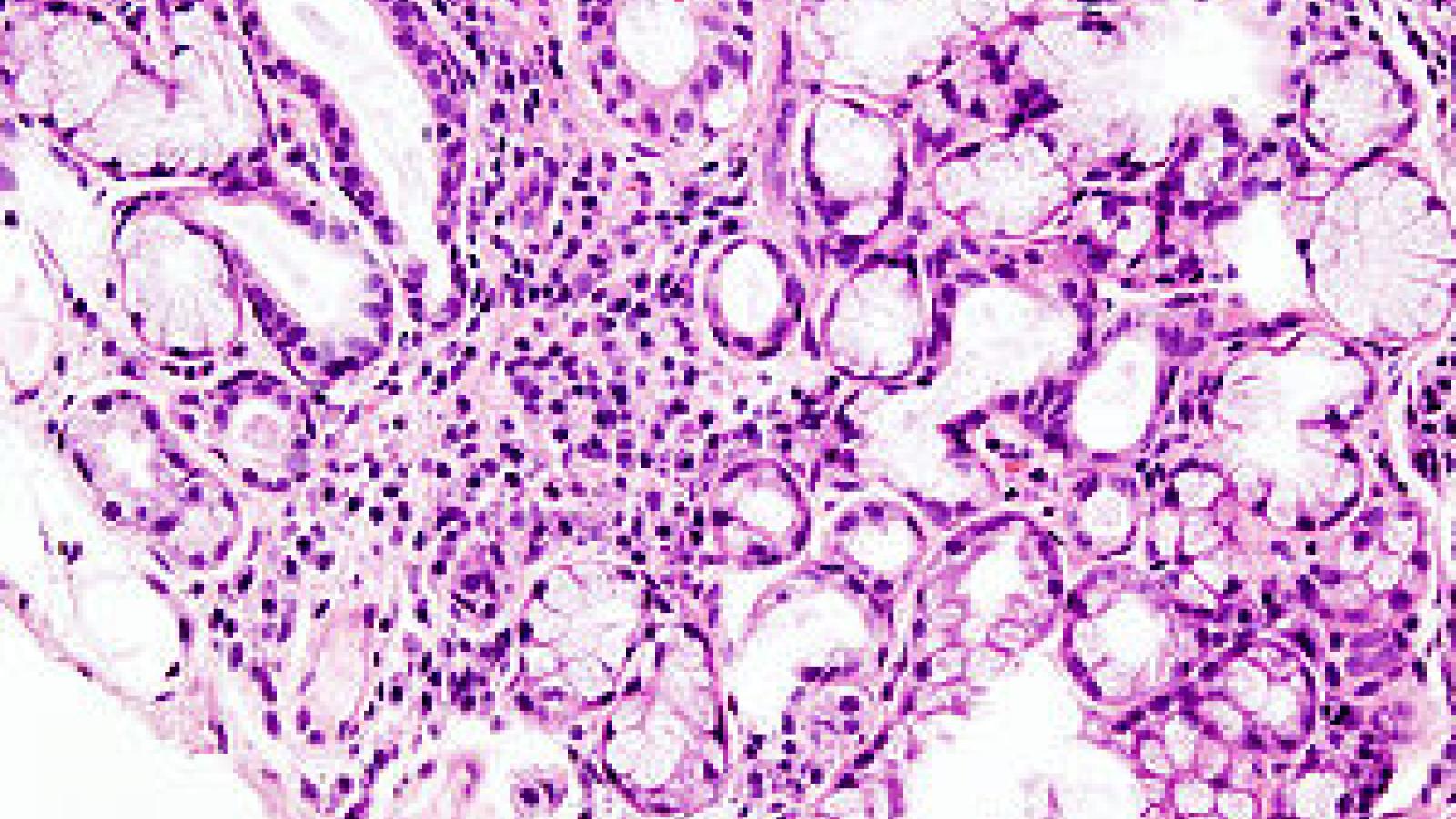
The current issue of Arthritis & Rheumatology reviews current understanding of the immunopathogenesis of Sjögren disease (SjD) and how that has influenced the quest for drug development for this most systemic autoimmune disorder.

A coalition of leading international experts have released the first comprehensive Consensus Statement on the Management of Vertebral Fractures in Chronic Kidney Disease (CKD) Stages G4–G5D. The statement highlights a neglected yet devastating complication of advanced kidney disease: skeletal fragility and vertebral fractures.

A 5 year JAMA study shows that a treat-to-target (serum urate < 6 mg/dL) study finds that effective urate-lowering treatment (ULT) results in a significantly reduced cardiovascular risk in patients with gout.

A recent study examines trends in rheumatoid arthritis (RA)-related mortality among U.S. postmenopausal women (aged 55 and older). They found RA mortality rates have declined, yet disparities in who is most affected persist, especially for white women, and those over 85 yrs of age.

Using the long-running, U.S.-based Health and Retirement Study (HRS), which enrolls people age 50 and older, as the data source, Ross Wilkie, PhD, of Keele University in Staffordshire, England, and colleagues estimated that those reporting an arthritis diagnosis could expect just 6.18 more years of being able to work without physical limitations, compared with 11.71 years for those without arthritis.

Due to the complexity of SLE, rheumatology providers should take an active role in assessing reproductive health, providing education on how SLE may affect pregnancy, and taking a collaborative, multidisciplinary approach with the patient’s gynecologist.

Dr. Jack Cush reviews the news and reports from the past two weeks on RheumNow.Com

A large, real-world cohort study of rheumatoid arthritis (RA) finds patients treated with biologic and targeted synthetic DMARDs (b/tsDMARDs) do not have an increased risk of cancer. Researchers used 2000–2023 data for RA patients from the BIOBADASER III registry, a multicentre national registry of patients treated with b/tsDMARDs.

