

A two-dimensional/Doppler echocardiography of rheumatoid arthritis (RA) detected premature, clinically quiescent diastolic function.
Diastolic dysfunction (DD) is known to associate with increasing age, gender (female), and hypertension; it appears some patients with RA may also be at risk.
A total of 61 RA patients and 107 healthy subjects underwent 2D-ECHO. All were premenopausal women with no history of hypertension.
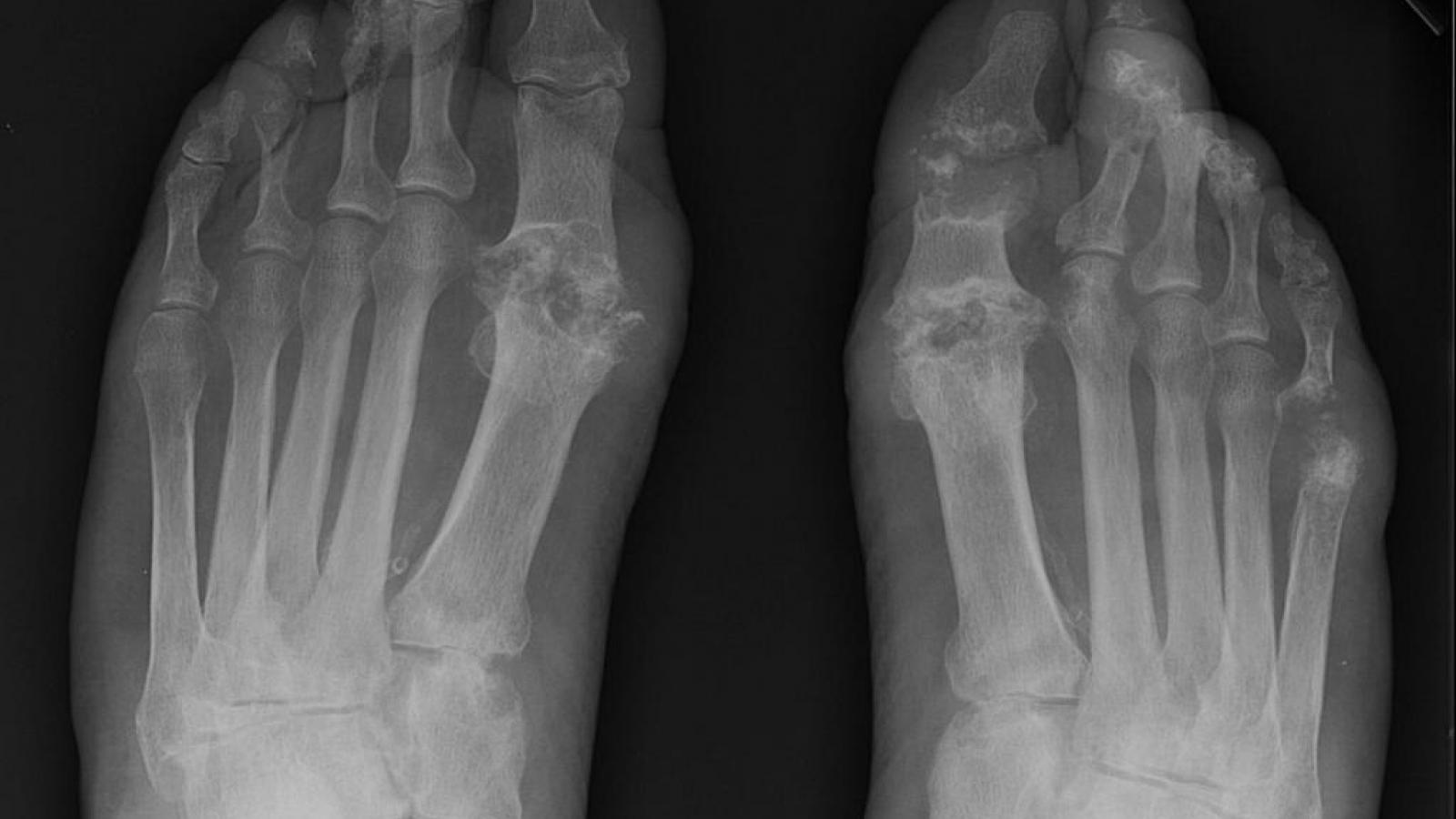
A randomized controlled trial in gout patients has shown that starting febuxostat during an acute gout flare was without ill-effects and did not prolong the gouty attack.

A population based Swedish study of birth records shows that antibiotic exposure in first three years of life to be associated with a future risk of juvenile idiopathic arthritis (JIA), although infections during fetal life or childhood did not increase risk of JIA.

A longitudinal study from Iceland shows an increasing number of native joint infections (NJI), with iatrogenic, postarthroscopic infections being of particular concern.

A consensus report from a multinational group of 91 scientists, clinicians and public health professionals alarmed the medical world last week as they suggest the use of acetaminophen (paracetamol) during pregnancy may have hazardous developmental effects on the fetus.

Patients with rheumatoid arthritis (RA) who had a history of cancer did not have an increased risk of new or recurrent cancers if treated with biologic therapies, a meta-analysis found.

Almost three years ago to the day, I did a podcast entitled, "I wanna new drug." As I go over this week's podcast, I want to say it again. I want a new drug safe enough to use during pregnancy, for PMR, for GVHD, and more. I'm going to cover these, and other topics including lupus, COVID breakthrough infections, and statin use and the risk of RA, as I review the news and journal articles from the past week on RheumNow.
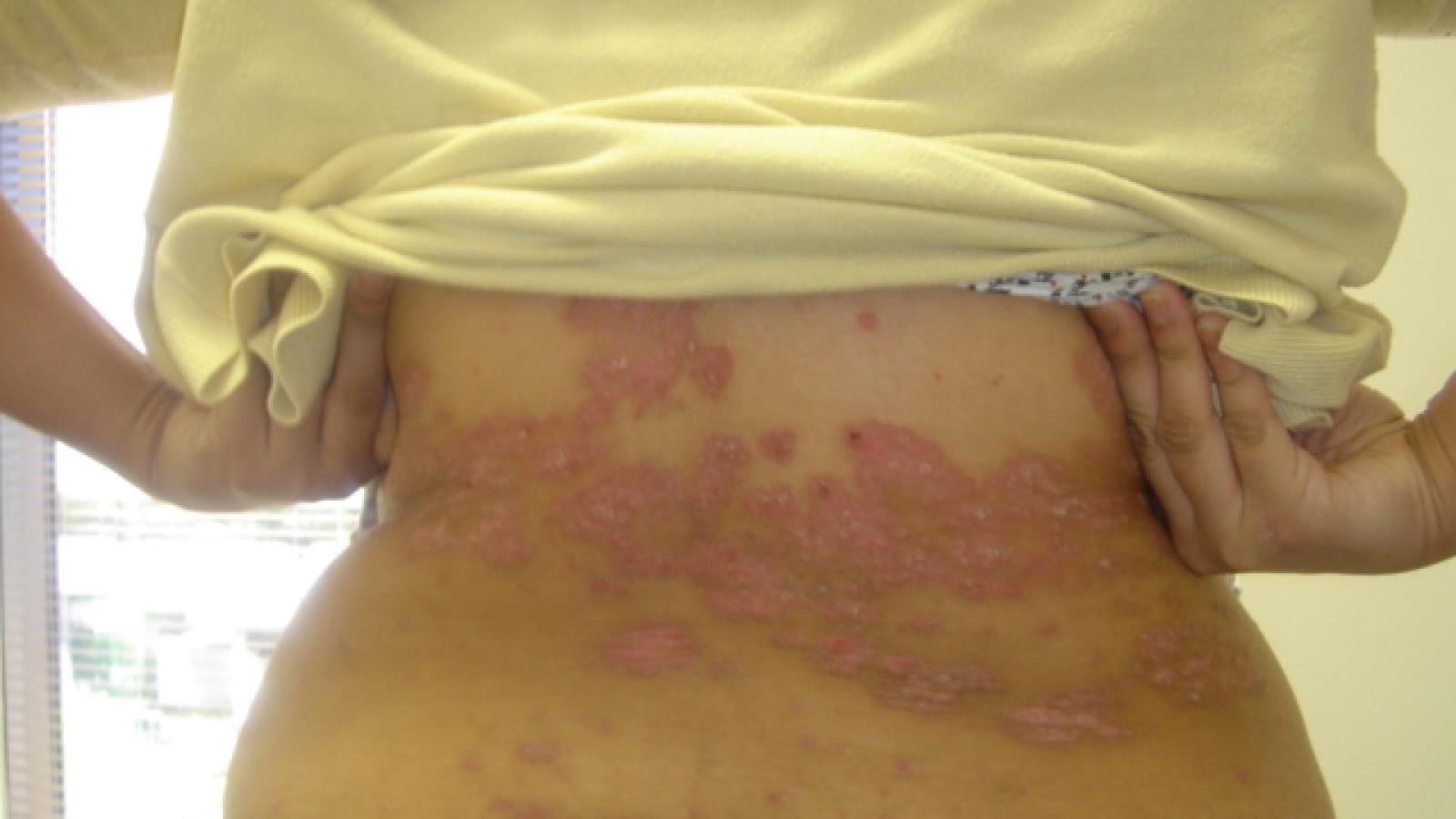
Pooled analysis of the DISCOVER-1 and DISCOVER-2 trials have shown that guselkumab, an IL-23 inhibitor, was effective and safe in psoriatic arthritis (PsA) patients with axial involvement and imaging-confirmed sacroiliitis.

This is the #1 question I get from new consults: “How did I get arthritis?”
But as the aching are asking, they are really thinking these joint complaints must be due to something.

A small, single-center cohort analysis of difficult, refractory systemic sclerosis (SSc) patients showed that treatment with tocilizumab (TCZ), an interleukin-6 inhibitor, resulted in significant improvement in joint and skin involvement, regardless of SSc disease duration or subtype.

Do you know what’s in short supply? Trust, pediatric rheumatologists, and drugs. Since the onset of the pandemic, numerous drug shortages have affected rheumatology, including sulfasalazine, hydroxychloroquine, and now, tocilizumab.

Inclusion body myositis (IBM) patients tend to be older than those with idiopathic inflammatory myositis (IIM), but the scope of disease beyond their myositis is not appreciated. Now, a population-based, case-control study suggests both a lower overall survival and high comorbidity burden in IBM patients.

As many of you are aware, I have written and spoken on COVID-19 extensively over these past 20 months, and just last month wrote about the dangers of the delta variant. In July, things took an unexpected turn when I developed a breakthrough infection with the delta variant.

Maternal and fetal outcomes during the COVID-19 pandemic have not been well studied; yet a new retrospective study from Mexico indicates that during the pandemic maternal mortality increased by nearly 57%, with COVID-19 as the cause in 23% of cases.
This surveillance study examined maternal mortality was between February 2020–February 2021 in Mexico, with a focus on COVID-19 in pregnant women, and their outcomes.

We are at that time of year when rheumatology fellowship programs across the nation are exploring potential candidates to train. Program directors work hard to attract the finest candidate, hoping to shape a future leader; applicants want to impress programs with their experience and desire a place where opportunities are available to explore their potential. So how does a program choose from a large pool of qualified applicants to fill

