
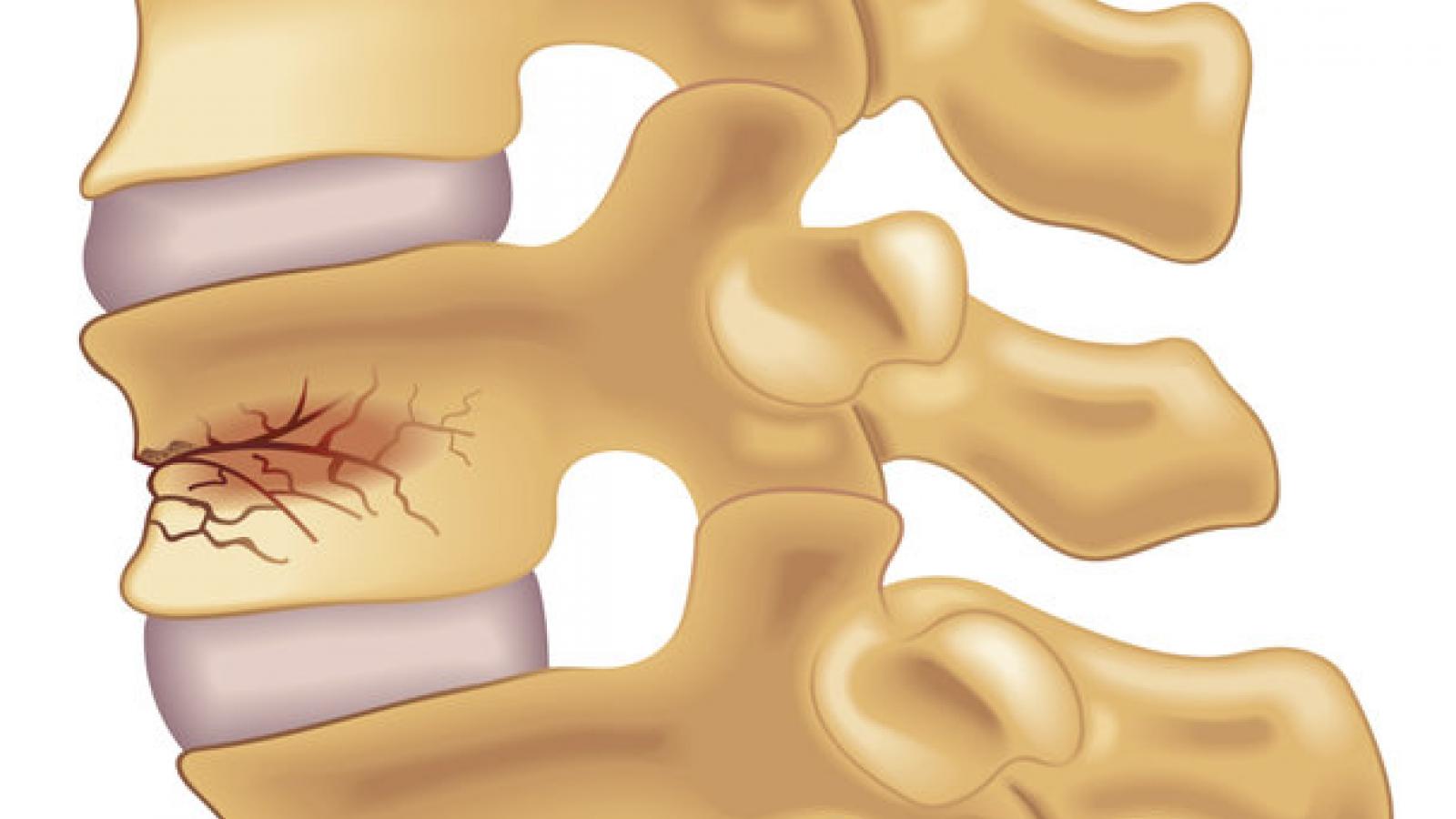
A large RA cohort analysis shows that low-dose glucocorticoid therapy in rheumatoid arthritis (RA) patients may carry an increased risk of vertebral osteoporotic (OP) fractures.

Deodhar and colleagues have published the results of a study showing that in adult patients with active ankylosing spondylitis (AS), oral tofacitinib was effective (versus placebo) and is safe.

The National Databank for Rheumatic Diseases reports a significant increased in cannabis use amongst arthritis patients between 2014-2019, suggesting patients are more frequently engaged in self-management of pain and the unmet need for a pain relieving, opioid-sparing alternative.

Patients with inflammatory/autoimmune diseases who initiated treatment with interleukin (IL)-17 inhibitors did not have a higher risk for the development of inflammatory bowel disease (IBD), but only after taking into account the severity of their underlying disease, French investigators reported.
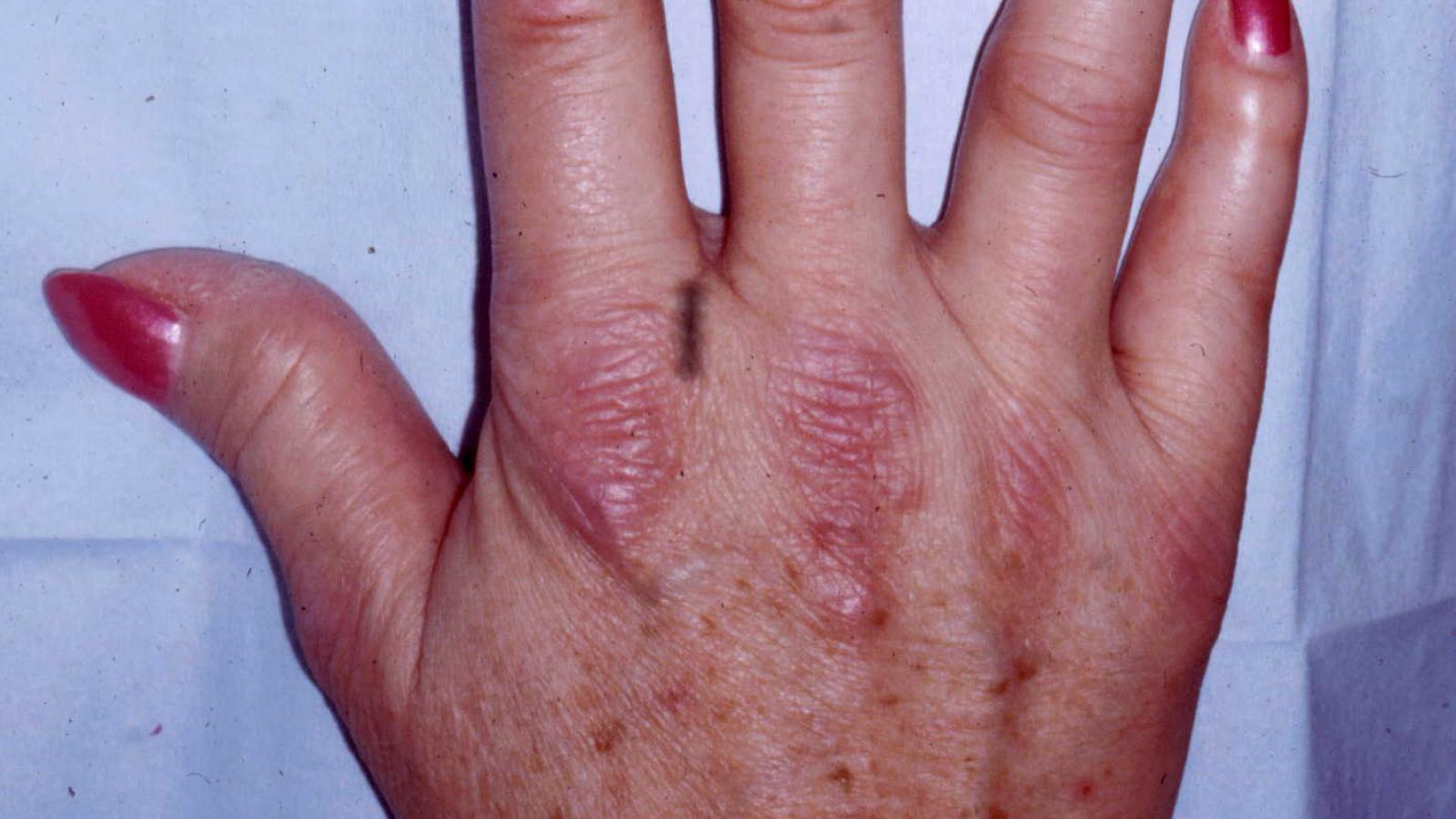
The U.S. Food and Drug Administration (FDA) has approved Octagam 10% [Immune Globulin Intravenous (Human)], as the first and only intravenous immunoglobulin (IVIg) formulation to be approved for adult dermatomyositis (DM).
JAMA has published the findings of trial wherein the anti–interleukin-1β antibody canakinumab (CAN) failed to improve survival in patients hospitalized with severe COVID-19.
Other studies have suggested that the use of IL-1 inhibitors (anakinra) may improve COVID outcomes, especially in those with impending hyperinflammation.

The ACR and the Vasculitis Foundation have published their evidence-based recommendations and expert guidance for the management of GCA and Takayasu arteritis. These recommendations address a variety of clinical questions and scenarios including diagnostic testing, imaging, treatments, and surgical interventions. Recommendations for GCA and TAK include support for the use of glucocorticoid-sparing immunosuppressive agents and the use of imaging
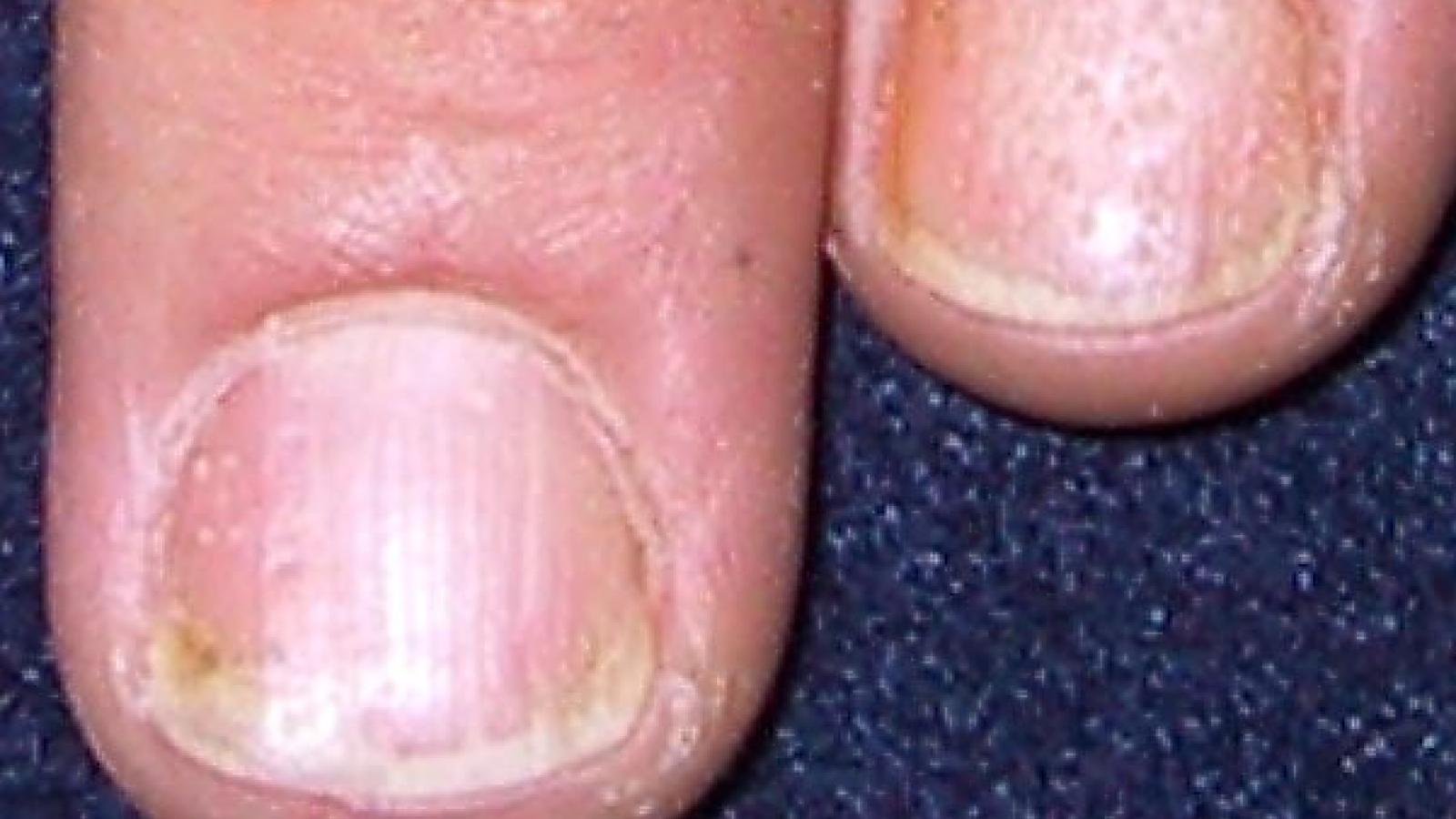
Mease and colleagues have shown that psoriatic arthritis (PsA) patients with nail involvement have worse disease and outcomes than those without nail psoriasis.
Data analysis of PsA patients in the Corrona PsA/Spondyloarthritis Registry looked at nail psoriasis, disease activity and other outcome variables.
Dr. Jack Cush reviews the news and journal reports from the past week on RheumNow.com.

A single center analysis of systemic lupus erythematosus (SLE) patients found symptomatic osteonecrosis (ON) in nearly 10%.
Researchers analyzed data from 912 SLE patients admitted to the hospital (1981 to 2012). Of these 912 SLE patients, 97 had symptomatic ON with an overall prevalence of 10.6%.
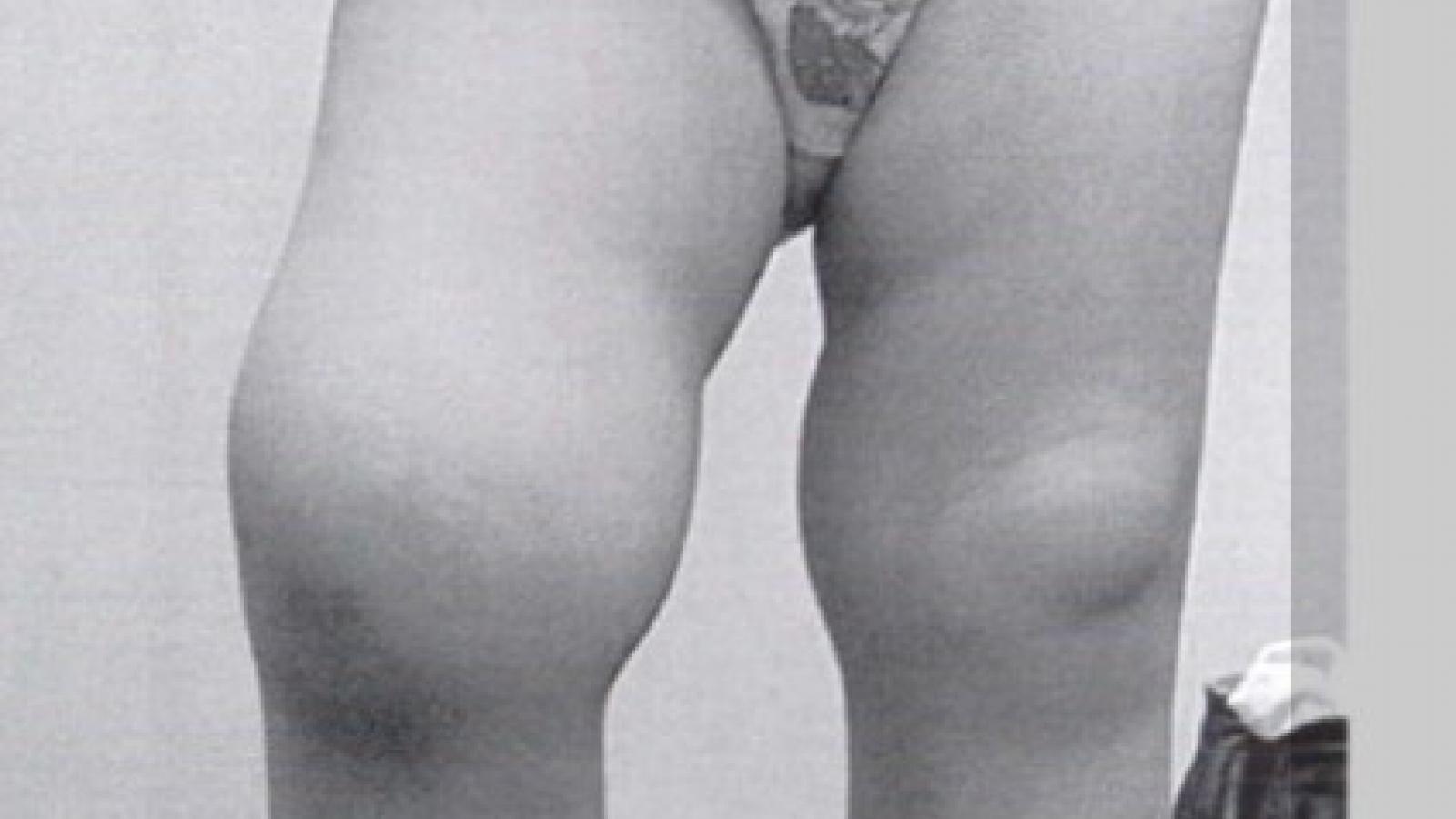
Lancet Rheumatology has published a cohort analysis showing that a small but significant subset of children presenting with arthralgia or arthritis may have a pediatric malignancy.
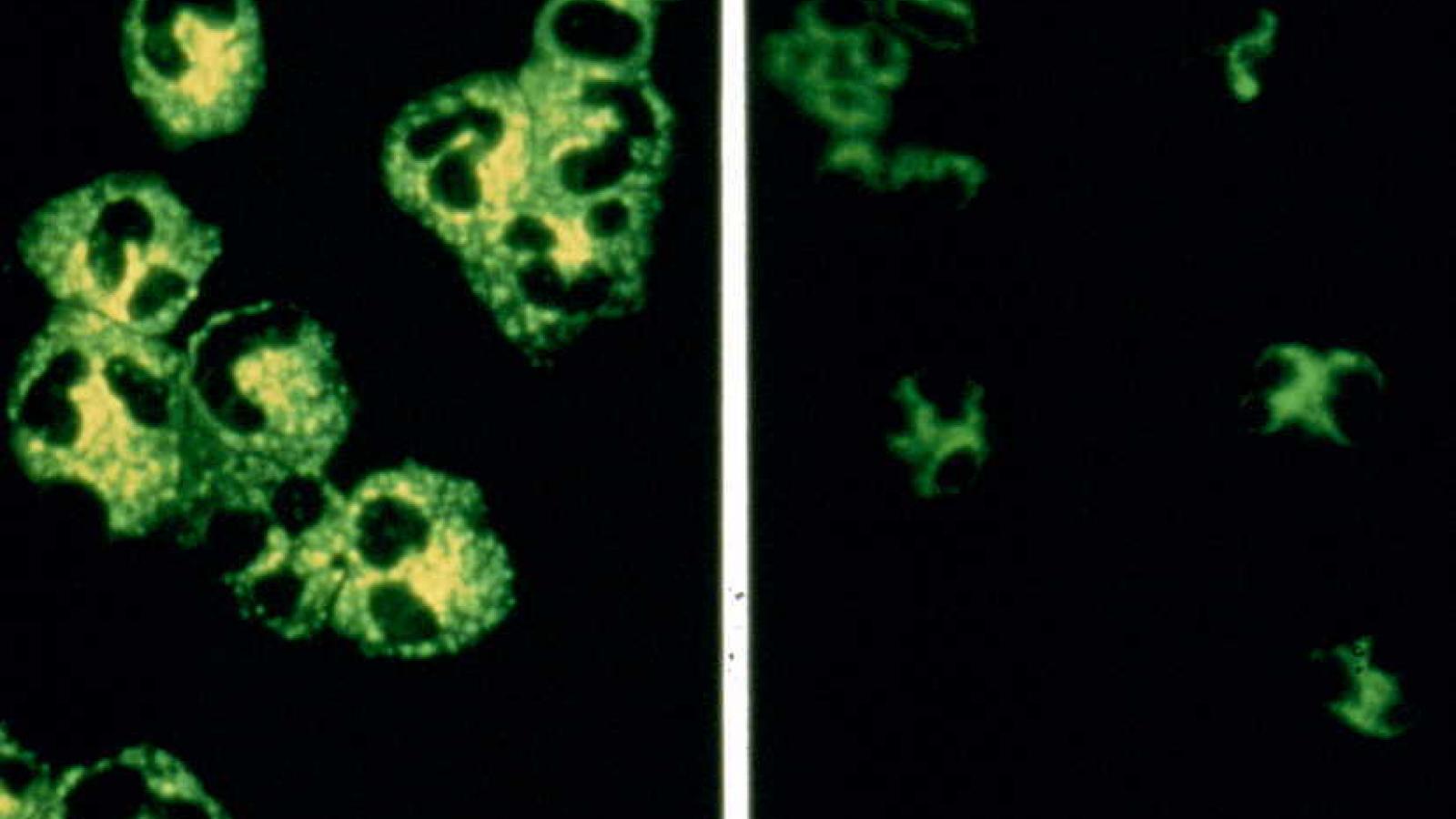
Chung et al have published the 2021 treatment guielines for the management of antineutrophil cytoplasmic antibody–associated vasculitis, including granulomatosis with polyangiitis, microscopic polyangiitis, and eosinophilic granulomatosis with polyangiitis. These guidelines are put forth by the ACR and the Vasculitis Foundation as benchmark guidance to assist health care professionals in managing AAV.

Gradual withdrawal of glucocorticoids was successful among patients with systemic lupus erythematosus (SLE) after 2 years of clinically quiescent disease, without an increased likelihood of flares, Canadian researchers reported.

Hydroxychloroquine (HCQ) is one of the safest meds used in rheumatology, but there is new claims data suggesting a small increase in the risk of malformations associated with first-trimester HCQ use.

A study of first-degree relatives (FDRs) of HLA-B27-positive axial spondyloarthritis (axSpA) patients shows clinical or imaging features of spondyloarthritis in up to 32% subjects, regardless of HLA-B27 status.

