

A number of recently published clinical trials are further defining the efficacy and outcomes of tocilizumab or remdesivir in treating SARs-CoV-2 infection.
Remdesivir

In a recent study of patients with inflammatory rheumatic diseases, the initiation of a biologic treatment or switching to another biologic was associated with an increased likelihood of the use of antidepressants and anxiolytics, reported Petros P. Sfikakis, MD, of the National and Kapodistrian University of Athens, and colleagues in RMD Open: Rheumatic & Musculoskeletal Diseases.

The COVID-19 pandemic dramatically impacted outpatient care - numbers, scope, quality, etc, but a recent study suggests that while COVID has changed the scope of care, the numbers of outpatient visits have risen to near pre-pandemic numbers.

Prospective observational findings from the CORRONA registry of rheumatoid arthritis (RA) patients compared clinical outcomes between initial aggressive therapy using either a tumour necrosis factor inhibitor (TNFi) or a non-TNFi (biological disease-modifying antirheumatic drugs (bDMARDs) and targeted synthetic DMARDs (tsDMARDs)) and found no difference between these diverse biologically targeted therapies.

The U.S. Food and Drug Administration announced today in a Drug Safety Communication that it is requiring labeling changes for nonsteroidal anti-inflammatory drugs (NSAIDs).

Dr. Jack Cush sings the news and journal reports from the past week on RheumNow.com.

NEJM reports the results of the SELECT-Choice trial, a head to head study of upadacitinib (UPA) and abatacept (ABA) in biologic refractory rheumatoid arthritis (RA); 12 weeks results showed UPA was significantly more clinically effective than ABA using a DAS28-CRP remission, but ABA had fewer safety signals and serious adverse events.

Cancer patients treated with immune checkpoint inhibitors (ICI) who develop severe arthritis may be at risk for progression of the malignancy, a single-center study suggested.

The CDC has analyzed temporal trends in percent positivity by age group in COVID-19 hotspot counties before and after their identification as hotspots. Among 767 hotspot counties identified during June and July 2020, early increases in the percent positivity among persons aged ≤24 years were followed by several weeks of increasing percent positivity in persons aged ≥25 years.

Mease and colleagues have reviewed the tofacitinib drug development and clinical trial data, finding the risk of venous (VTE) and arterial thromboembolism (ATE) to be low and augmented in patients with baseline cardiovascular abd VTE risk factors and those taking higher doses of tofacitinib (10 mg bid).
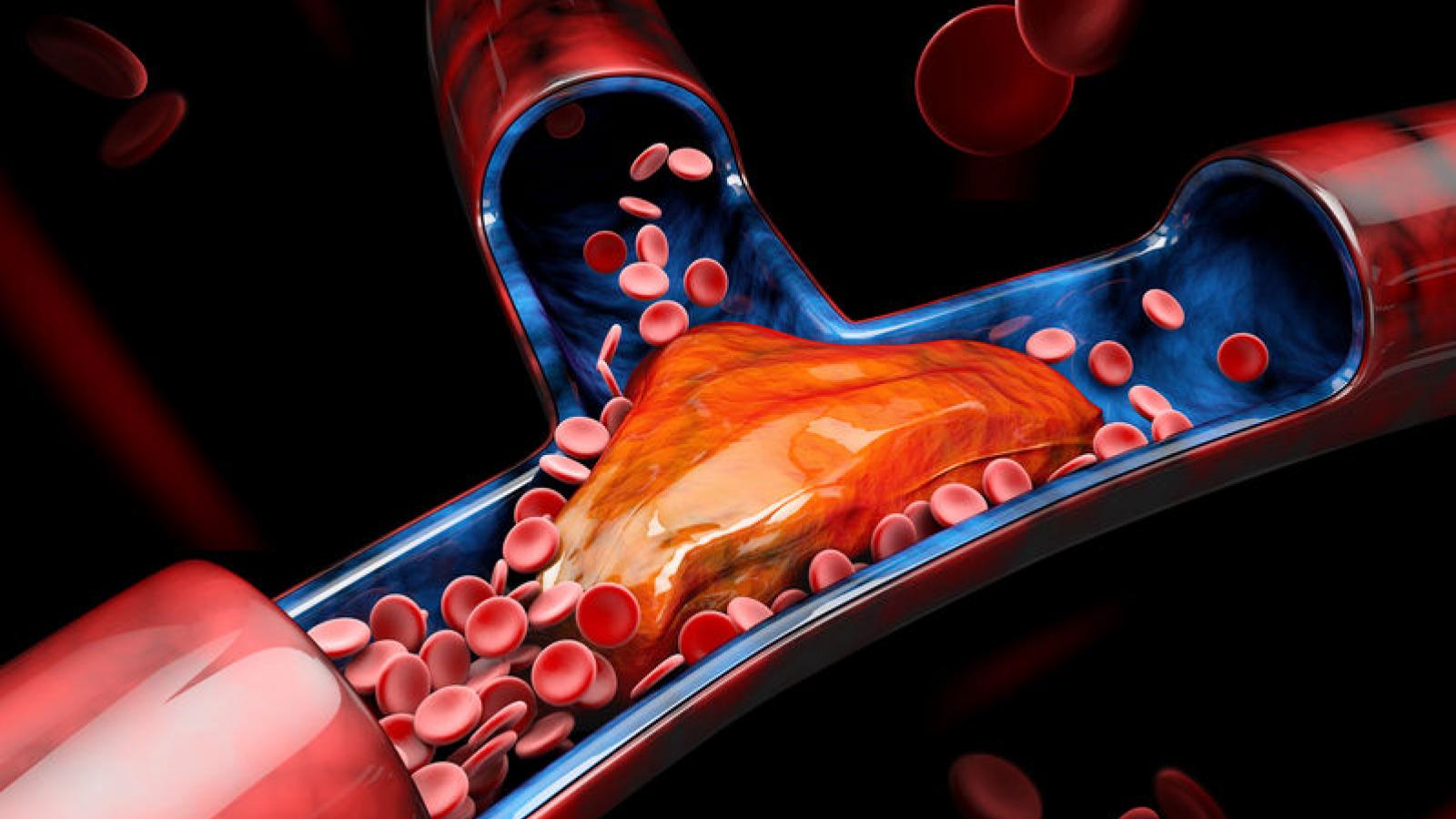
A large RA cohort study from the Swedish Rheumatology Quality Register shows a higher risk of venous thromboembolism (VTE) in rheumatoid arthritis (RA) and that risk is linked to RA disease activity.

The NEJM reports on a controlled clinical trial showing patients hospitalized with Covid-19 given hydroxychloroquine (HCQ) do not have a lower incidence of death compared to those receiving routine care.
A total of 4716 patients who were hospitalized with Covid-19 were randomly to receive HCQ (1561 patients) or usual care (3155). The primary endpoint was 28-day mortality.
Dr. Jack Cush Reviews the news and journal articles from the past week on RheumNow.com.
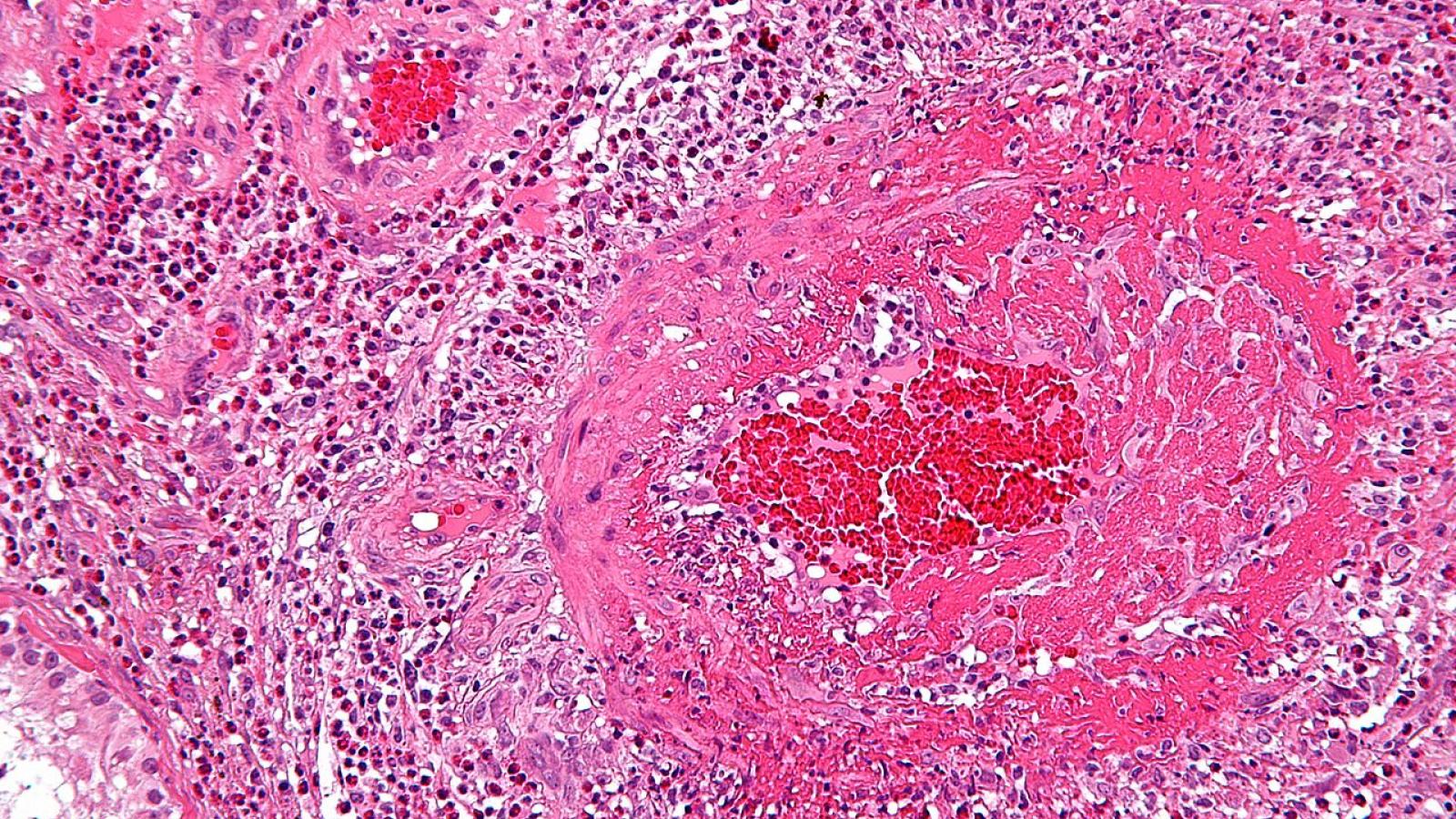
Two biologic therapies showed promise in the treatment of refractory or relapsing eosinophilic granulomatosis with polyangiitis (EGPA) in a retrospective European study.
Among 63 patients who were treated with rituximab (Rituxan), remission or partial responses at 1 year were observed in 49% and 24% of patients, respectively, reported Benjamin Terrier, MD, PhD, of Université Paris Descartes in Paris, and colleagues.
A French Vasculitis Study Group analysis of their granulomatosis with polyangiitis (GPA) reveals that after 10 years, only 7% of GPA patients achieved sustained remission off therapy (SROT) and have never relapsed.

