
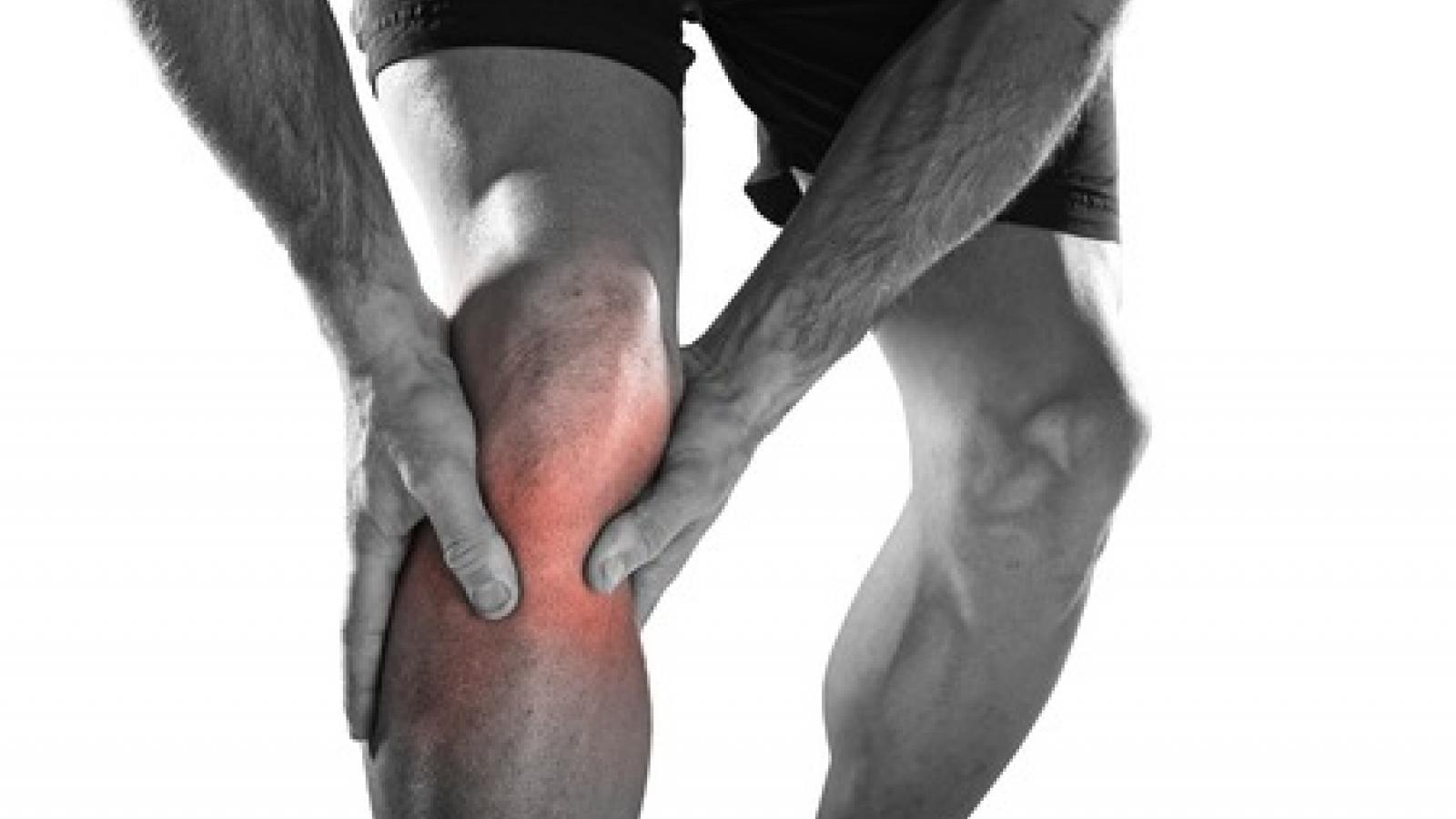
A phase III study of the nerve growth factor and monoclonal antibody tanezumab showed positive results in a refractory patient population with knee or hip osteoarthritis (OA) -- good enough that this agent may finally be approved after a long and rocky development road.

The differential susceptibility to COVID-19 infection is attributable to socioeconomic factors and genetic differences, that together with environmental factors, human-virus interactions, gender, perhaps blood type, and age-related senescence determine the immune response and the likelihood of developing disease.

On April 3rd, the National Institute for Health and Care Excellence (NICE) in the UK, published a rapid guideline for managing children and adults with rheumatological autoimmune, inflammatory and metabolic bone disorders during the COVID-19 pandemic, while protecting staff from infection.
We indeed are living in interesting times and we all are seeking not to contract COVID-19 - this is logical. While our goal is to avoid infection, I think we all must agree that our aspirations must encompass more than disease avoidance. What we should be seeking now, as well, is more than absence of disease but rather a state of optimal wellness.

On Thursday, April 2nd, RheumNow hosted its' first Town Hall Meeting for Rheumatologist, with this 90 minute discussion devoted to the COVID-19 crisis as it affects Rheumatologists. The panel of six reknowned experts in rheumatology, practice, science, trials, telemedicine and infectious diseases included:

Dr. Jack Cush reviews the news on COVID-19 and FDA actions this past week. Be sure to check out:
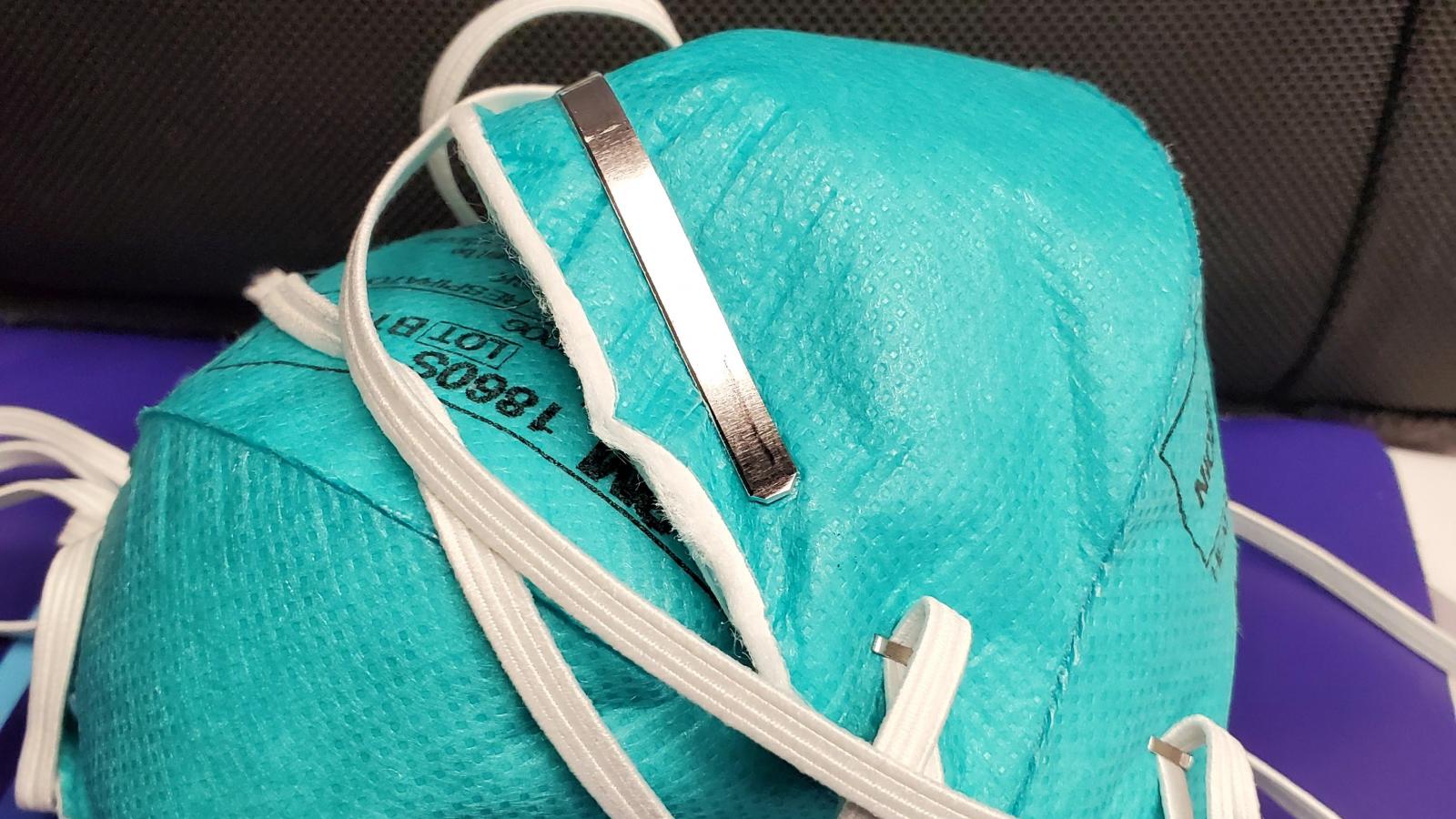
In early March 2020, there were widespread recommendations that wearing routine "surgical masks" by the public sector was not likely to be helpful or advisable. Now we are hearing of a 180 degree shift in thinking with the CDC, leading health officials and the current NEJM Perspective pointing to more widespread use of masks by healthcare workers and even by individuals in the public sector.

It is not hyperbole to acknowledge that the COVID-19 pandemic has changed the world, inflicting pain and suffering to many, and inconvenience to all. As everyone struggles to make it through these difficult times, it might be worth pointing out some small silver linings that have emerged despite this pernicious dark cloud.

The March 31 release of the Morbidity and Mortality Weekly Report (MMWR) reviews the impact of several key comorbidities, most commonly diabetes mellitus, chronic lung disease, and cardiovascular disease, as cofactors leading to worse outcomes with COVID-19 infections. Below are experts from that report.

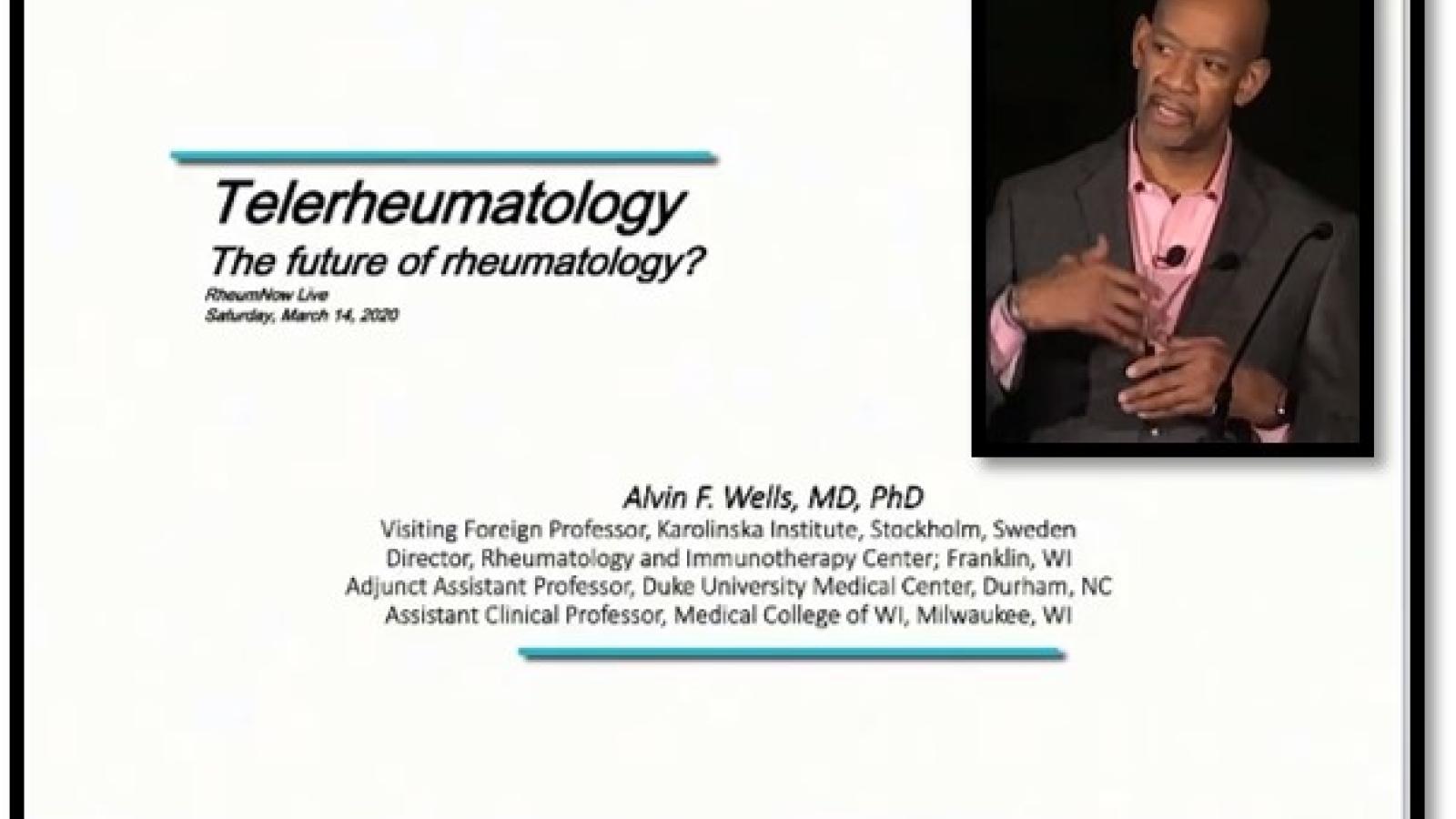
RheumNow Live 2020 featured a series of shorter STEP (TED-like) talks. This one features Dr. Alvin Wells discussing the opportunities and new paradigms encumbent with telemedicine in rheumatology.

Dr. Jack Cush reviews the news and COVID developments from this past week.

The American College of Rheumatology (ACR) has published a guidance document on infusions and office based therapies.

Drs. Cush and Kavanaugh discuss the downside of stopping hydroxychloroquine, DMARDs and biologics in lupus, RA and pregnancy.

