
Dealing with unknowns is both difficult and frustrating, as the answer is often not within our reach. The current pandemic has created a tidal wave of unknowns, scaring patients and putting physicians in a difficult spot.

In the midst of a global pandemic of the 2019 Novel coronavirus acute respiratory disease (COVID-19), a small handful of Rheumatologists gathered on social media to collectively grapple with the impact of this virus on vulnerable populations with rheumatic disease.
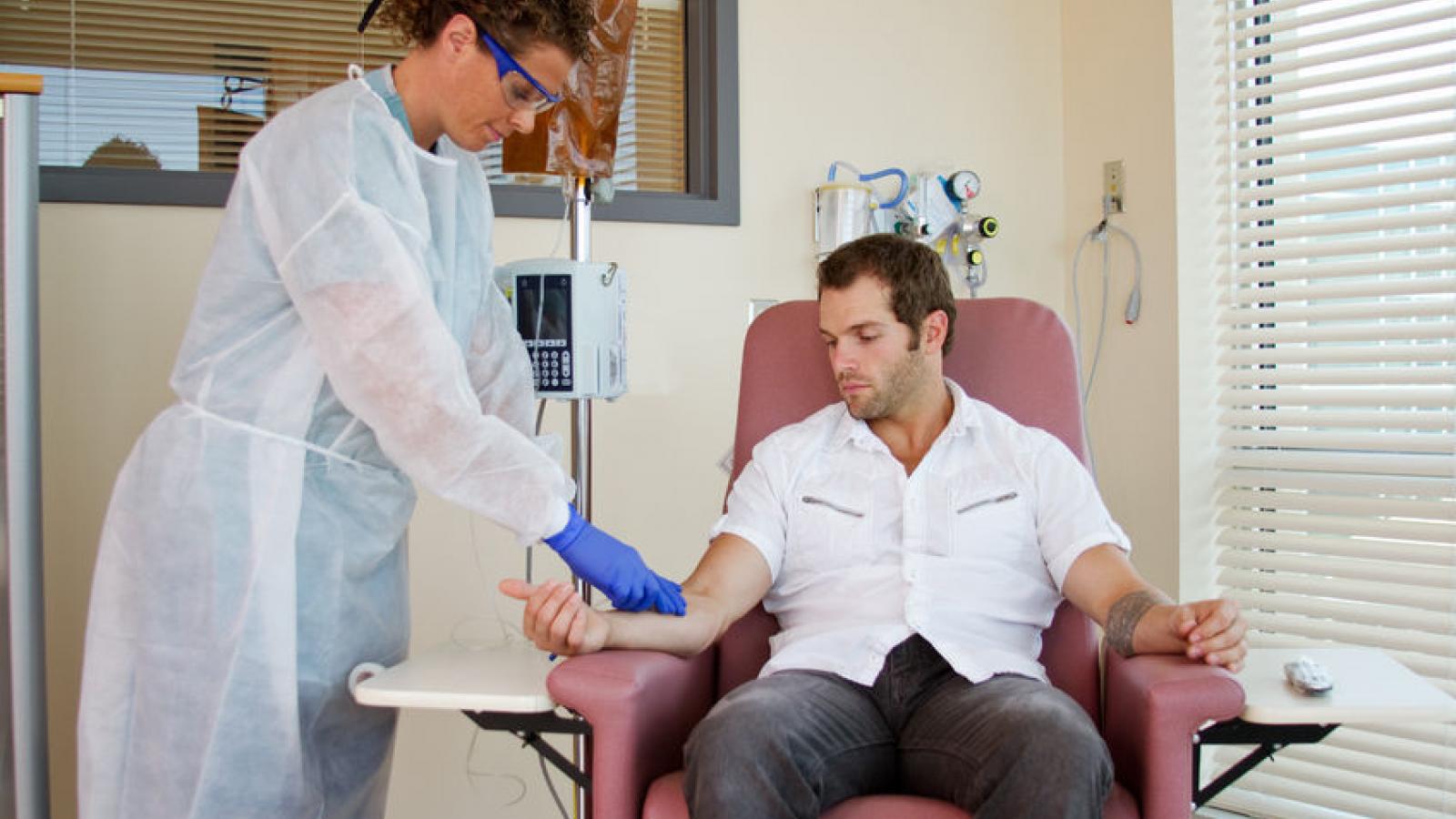
As they say, necessity is the mother of invention. After years of bemoaning the challenges of telemedicine, our rheumatology clinic transition entirely to a remote clinic in the space of a week. One of the few good things to come out of this crisis is that we may learn that in-person visits are not as critical as we thought, which may in turn help our specialty’s access issues.

Dr. Jack Cush reviews the past week of COVID-19 news and advances.

With the COVID-19 pandemic dynamically changing, we have provided several news items germane to the Rheumatologist.

Blood pressure should be maintained at a level below 130/80 mm Hg in all patients with lupus to lessen their likelihood of atherosclerotic vascular events, Canadian researchers asserted.

Ready for telemedicine/telerheumatology?
Once you and your patient agree on a virtual visit, the following suggestions may help facilitate the interaction. If you have the ability and the capacity, record the visit.

As the highly virulent SARS-CoV-2 spreads over the world, uncertainty and fear for our patients with rheumatic diseases mount. As of March 17, 2020 over 183,000* cases of Coronavirus disease 2019 (COVID-19) have been recorded, with the majority in China and Europe, but that may be the tip of the iceberg. Many more cases likely exist that are undetected due to shortages in testing supplies.
We are in the early stages of trying to limit the morbid and mortal consequences of the corona virus pandemic of 2020. Not surprisingly, the recommendations designed to limit exposure and damage continually highlight the fact that the elderly and immunosuppressed may be amongst the most severely affected should they become infected with this virus.
This has led to a great deal of uncertainty by patients and providers about how rheumatic
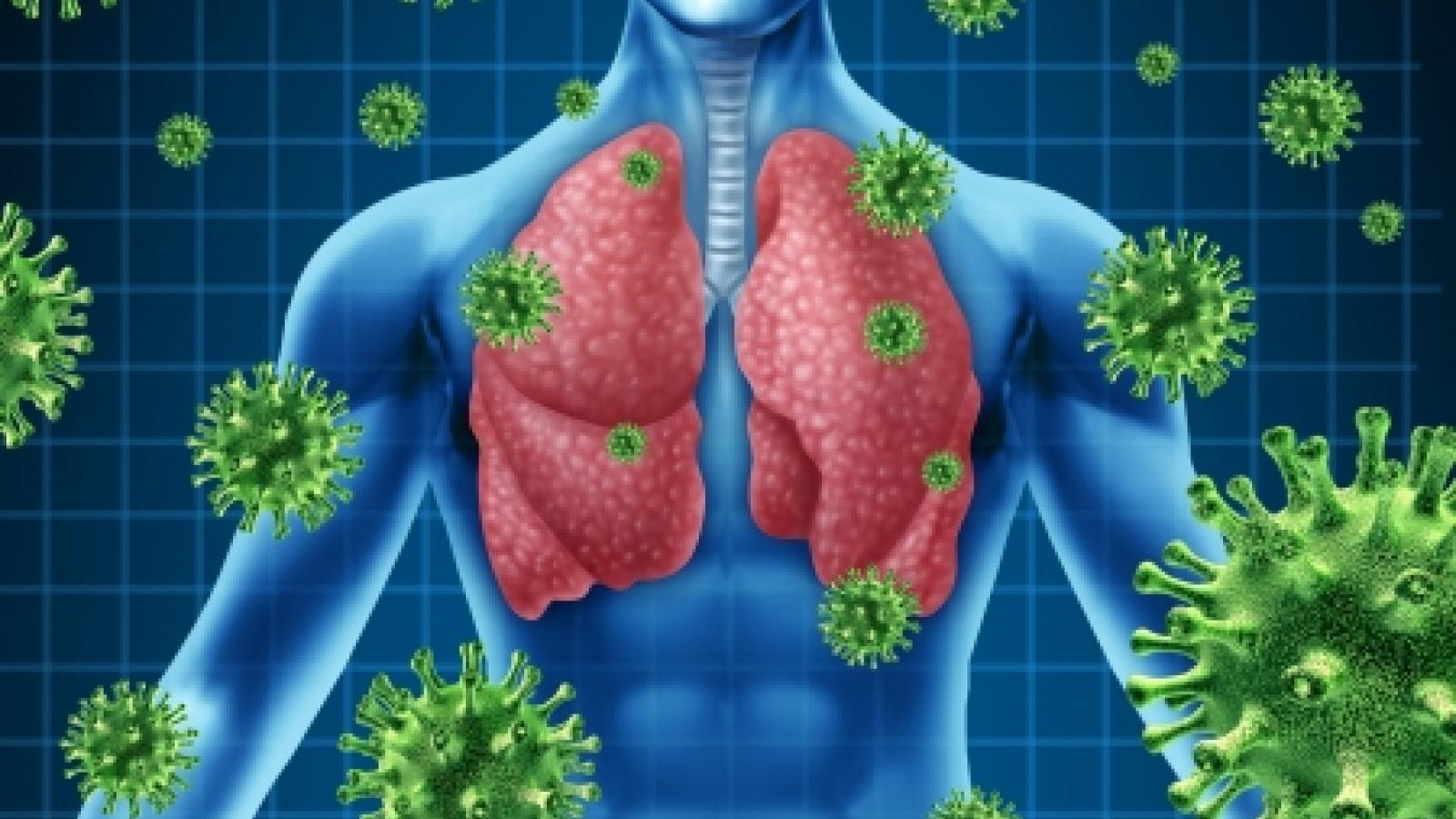
Risks of infection were strikingly high among patients with antineutrophil cytoplasmic antibody-associated (ANCA) vasculitis, which may relate to both the disease and its treatment, Scottish researchers found.

Dr. Jack Cush reviews the news and journal articles from the past week on RheumNow.com.

An Italian study examined the outcomes in adult onset Still's disease (AOSD) based on whether they received early or delayed treatment with anakinra (ANK).
A total of 141 AOSD patients were retrospectively studied.
Overall, they found no differences in efficacy if ANK was started within 6 (or 12 mos) vs. thereafter.
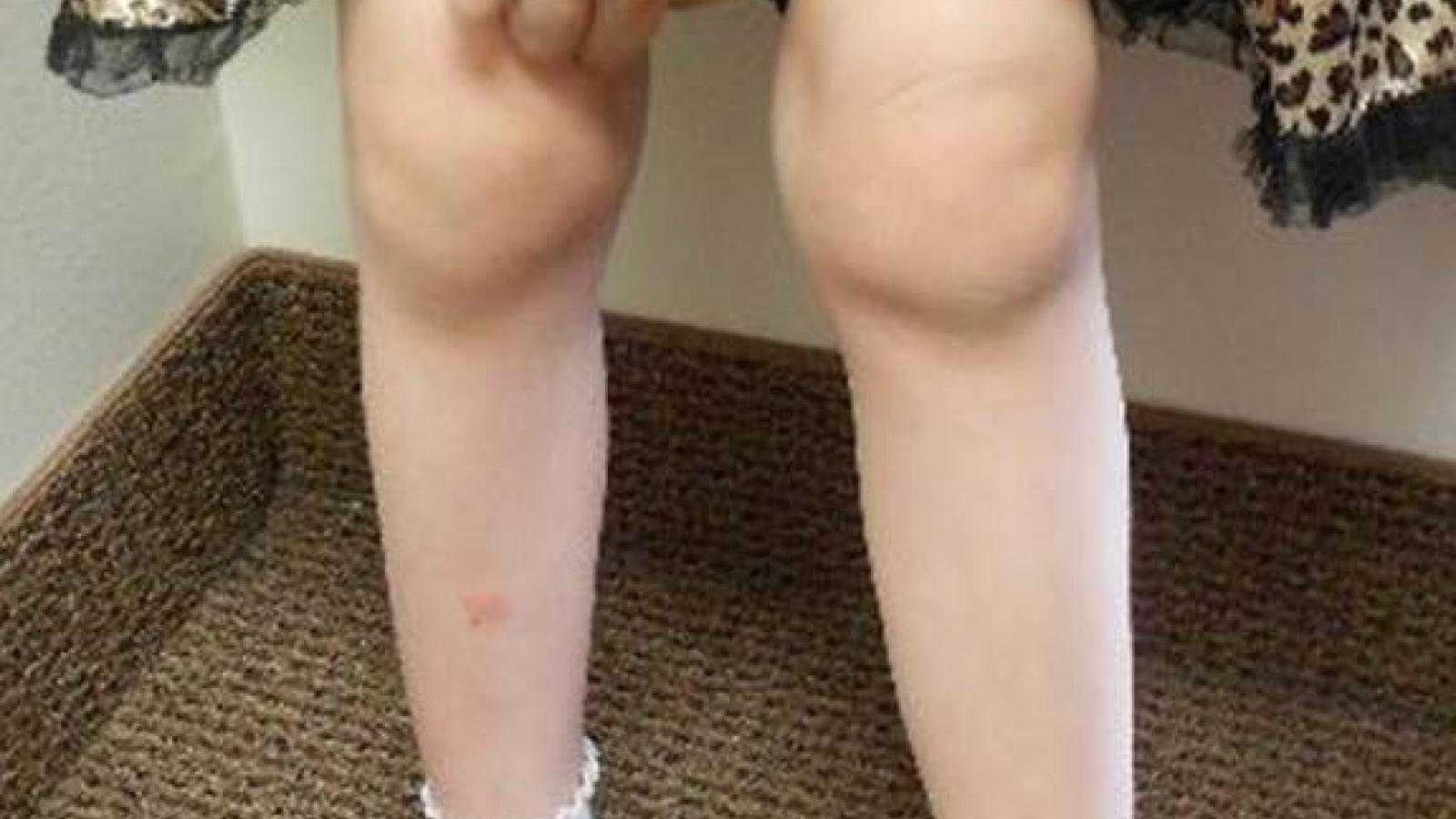
While there are numerous agents approved for use in juvenile idiopathic arthritis, little is know about actual use biological disease-modifying antirheumatic drug (DMARD) use or switching in the biologic era. A cohort comparison study has shown that after an unsuccessful trial of a first biologic, changing to a second TNFi is as effective as switching to a non-TNFi biologic.

Business as usual, Wednesday morning, as I quickly stop at 7-Eleven for my morning coffee and it all begins.
A nice stranger holds the door open for me; I reach for a carton of milk for someone unable to; the cashier skips the 2 cents on a $2.02 bill (with a smile).
What transpired in a quick five minutes was a series of random, unrelated, unprovoked acts of kindness. Blatant politeness, sincere smiles, compliments between strangers and lots
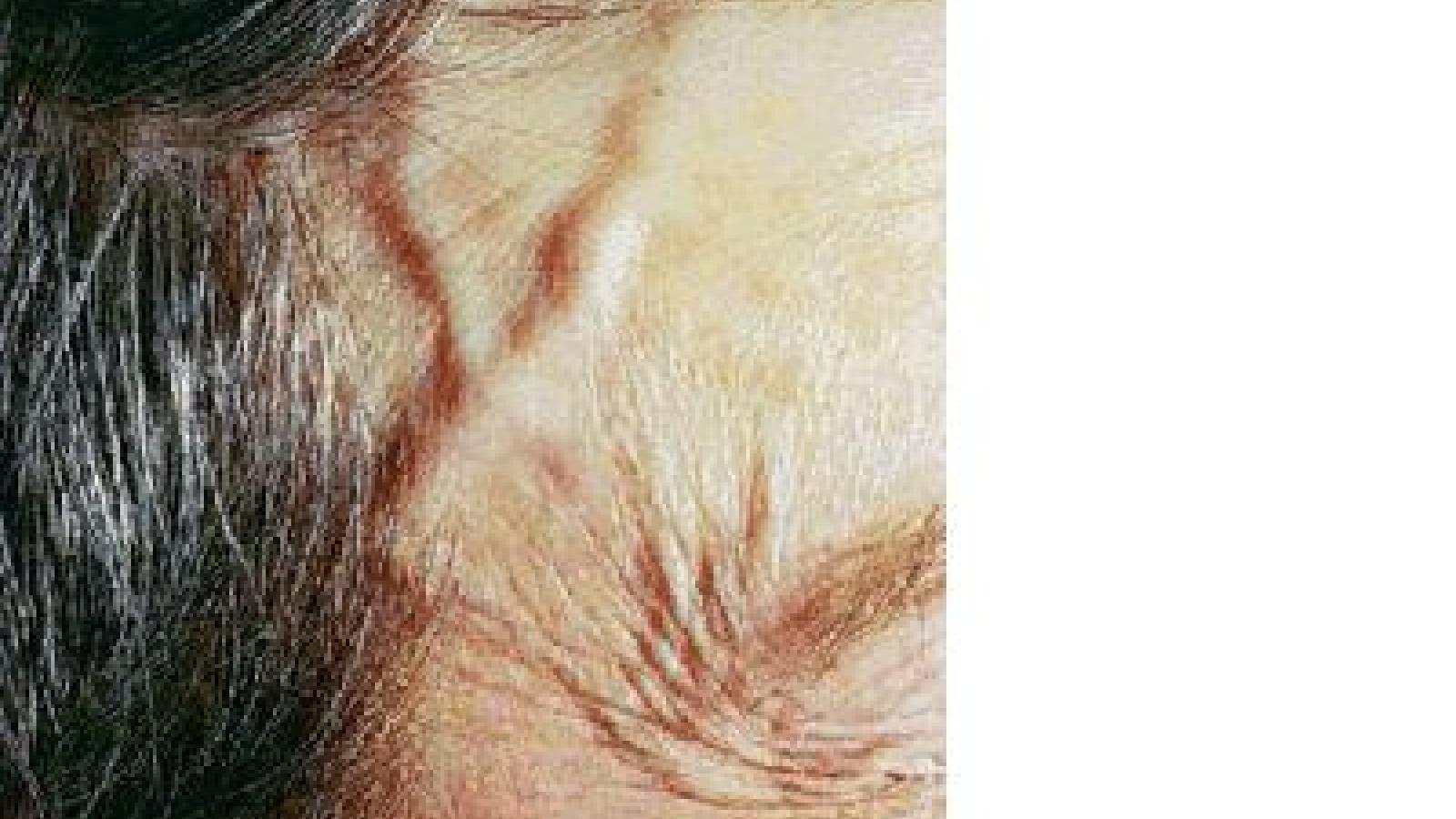
The Journal of Rheumatology reports the findings of a Swedish population-based cohort study of biopsy-proven giant cell arteritis (GCA) patients showing that the overall risk for cancer was not increased; yet there appears to be an increased risk for leukemia and a decreased risk for breast and upper gastrointestinal tract cancers.

