
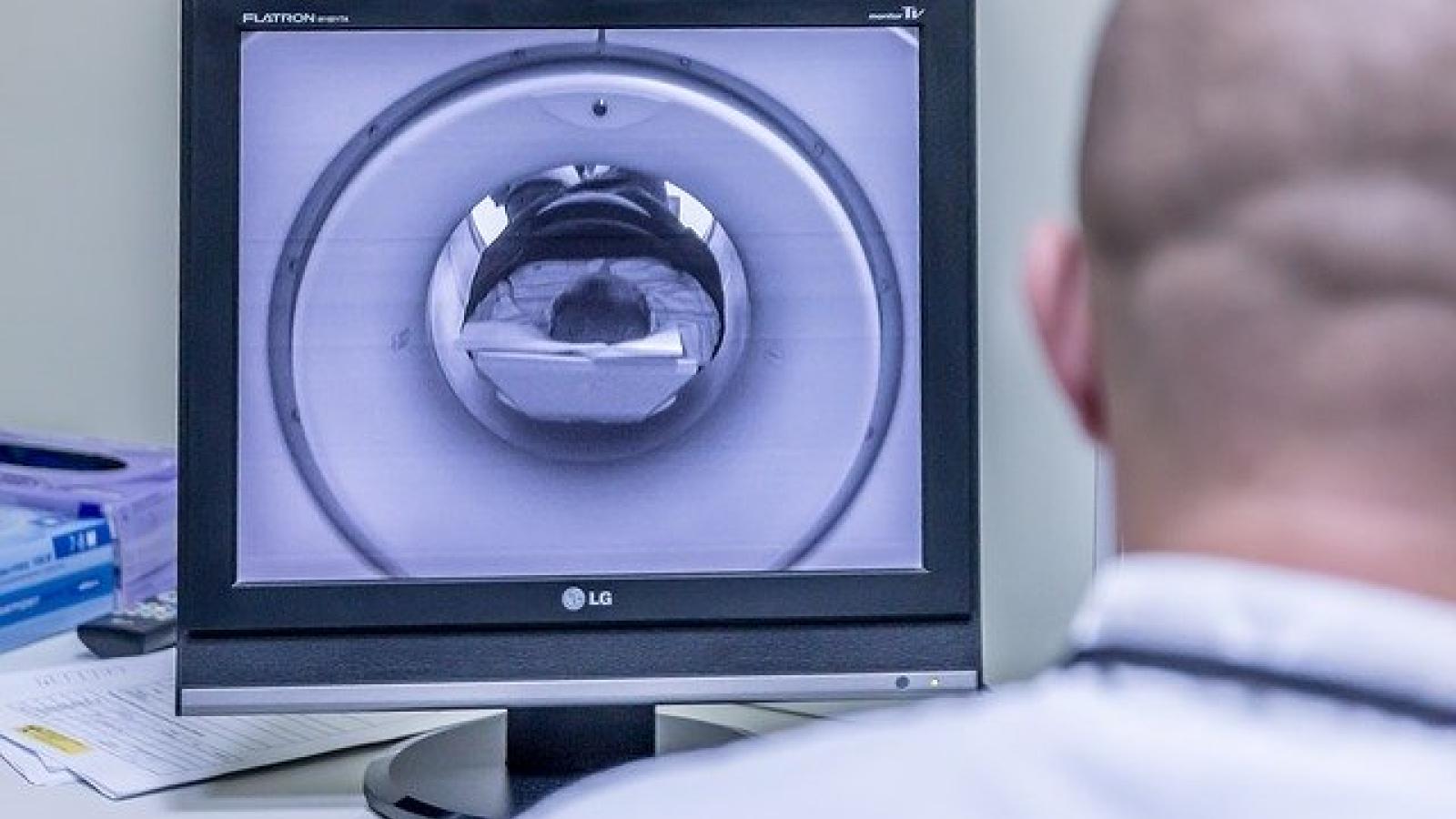
Polymyalgia rheumatica (PMR) is a common condition seen by both primary care and in the rheumatology office.Many cases of PMR are extremely straightforward for a trained rheumatologist — with easy to recognize joint pain and stiffness in the shoulder and hip girdles, elevated inflammatory markers, and a rapid response to moderate doses of prednisone (15-20mg).

The Medscape’s Physician Lifestyle & Happiness Report 2019 crowned rheumatologists as the happiest subspecialists. We topped the list with 65% of the respondents indicating that they were happy outside of work. I was not really surprised by reading that, and I would go as far as saying that our field is the best.
It has been a wonderful year for autoinflammatory diseases at the ACR Annual Meeting.
I attended my first ACR Annual Meeting in 2011 in Chicago. In that meeting, there were 29 abstracts on autoinflammatory diseases and there were no sessions exclusively focusing on that topic*.

Everyone has life hacks. Years of experience and doing the same things repetitively allow us to figure out little tricks to make life easier. A rat in a maze, finding itself at a dead end, will back up and search for a clearing. If this rat encounters its neighbor, it will transmit that information so the second rat won’t make the same mistake.

There were new developments in the treatment of axial Spondyloarthritis (AS) at ACR 2019. The first area is on the use of anti-IL17A drugs, secukinumab and ixekizumab in non-radiographic AS. The second area is the use of JAK-1 inhibitor Upadacitinib in radiographic AS. The third area is the use of dual anti-IL17A and 17F drug bimekizumab in radiographic.

Dr. Jack Cush presents his favorite abstracts and presentations from Rheumatology Round Up and ACR 2019.
Dr. Jack Cush reviews the news and journal articles from the past week on RheumNow.com.
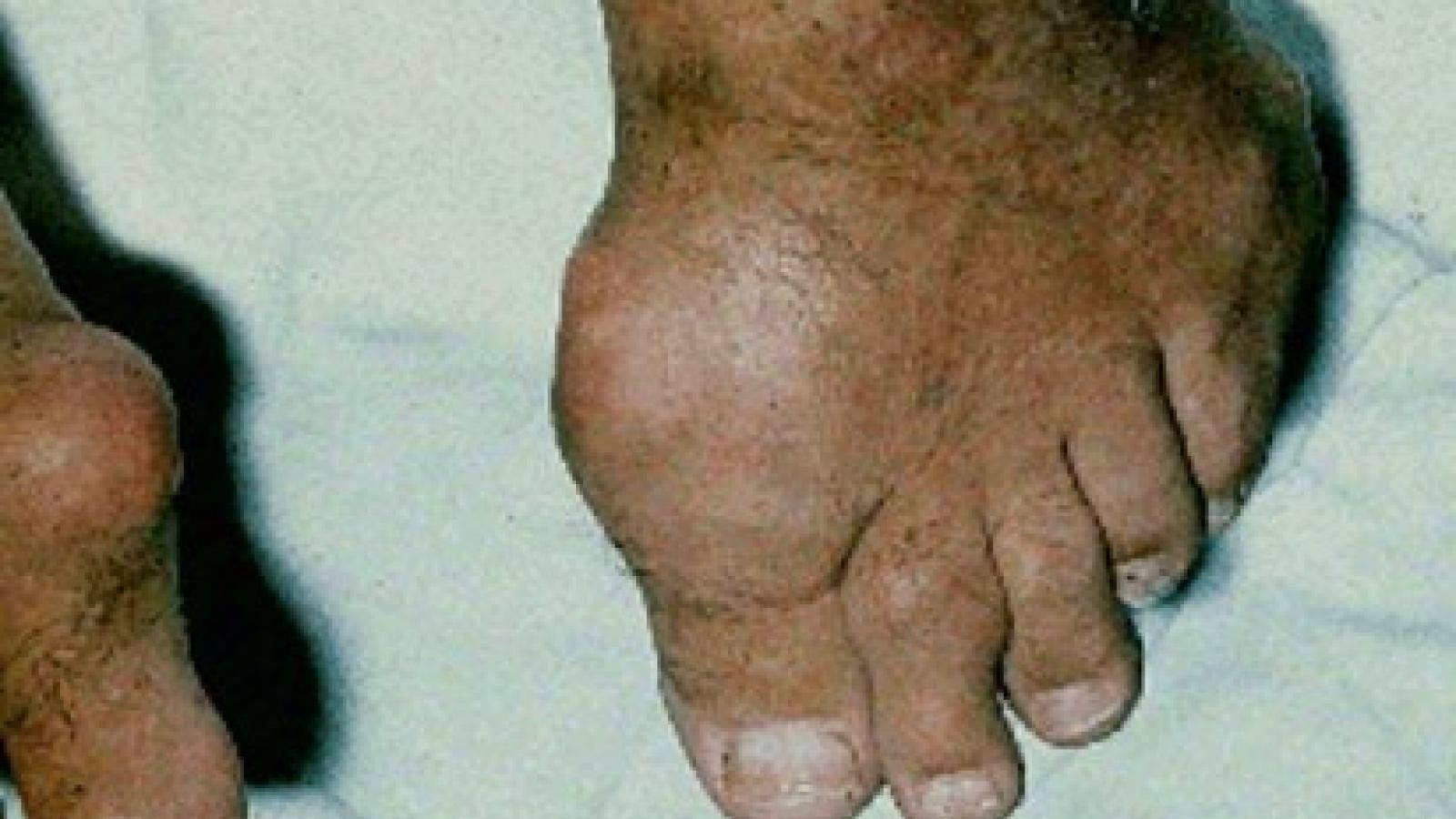
A Spanish prospective cohort of active, uncontrolled gout patients were followed and showed that failure to reach a target serum uric acid (sUA) level of 6 mg/dl (0.36 mmol/L) or less was associated with a 2-3 fold increase in mortality.

Physical activity appeared to be protective against the development of cognitive impairments among patients with rheumatoid arthritis (RA), a prospective cohort study found.
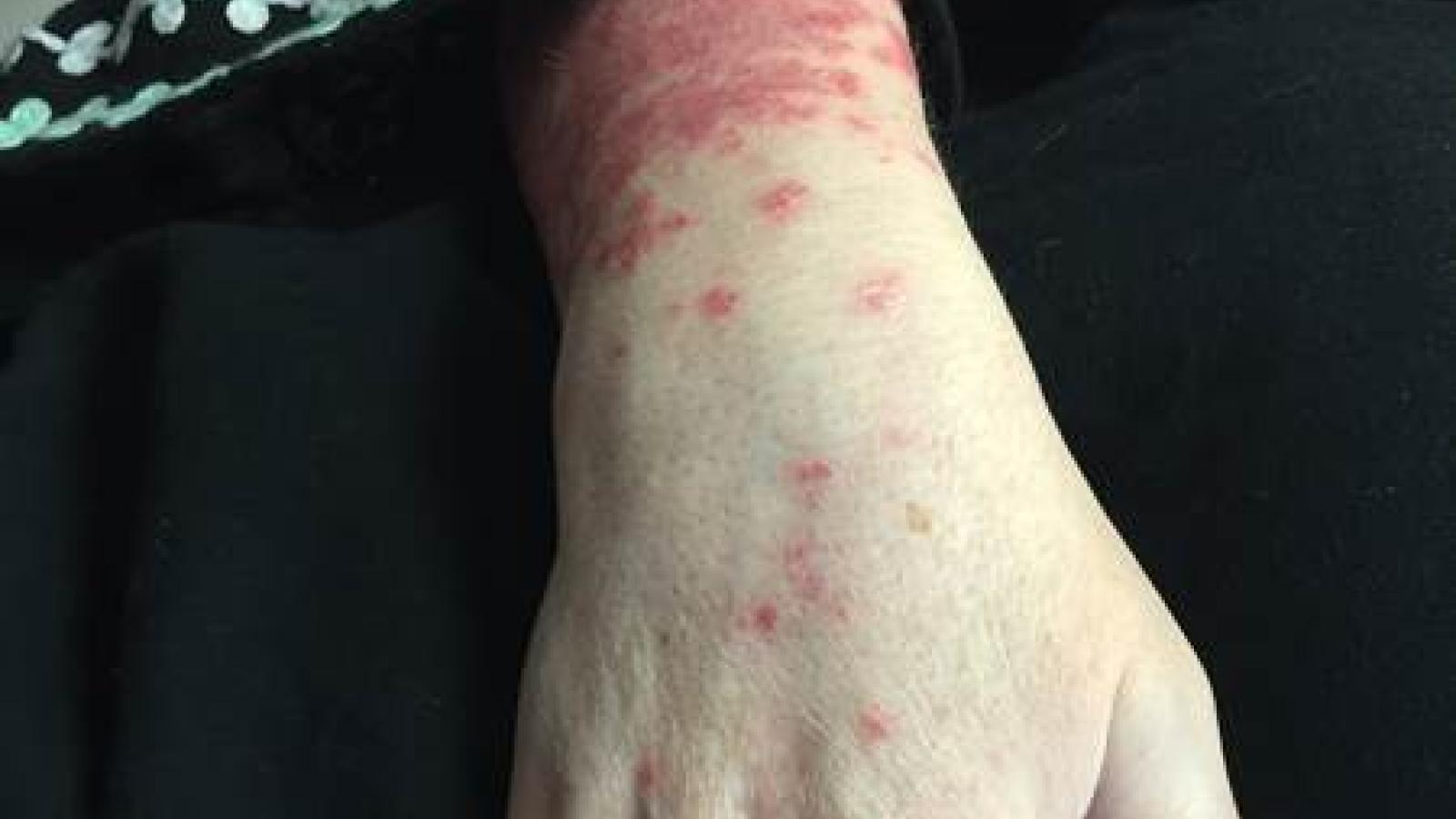
A cohort study of 97 patients with psoriatic arthritis (PsA) examined the prescribing practices in PsA, and found biologics are commonly initiated as the primary mode of therapy in outpatients with PsA. However, treatment modifications can be made regarding patients who are managed with apremilast alone.
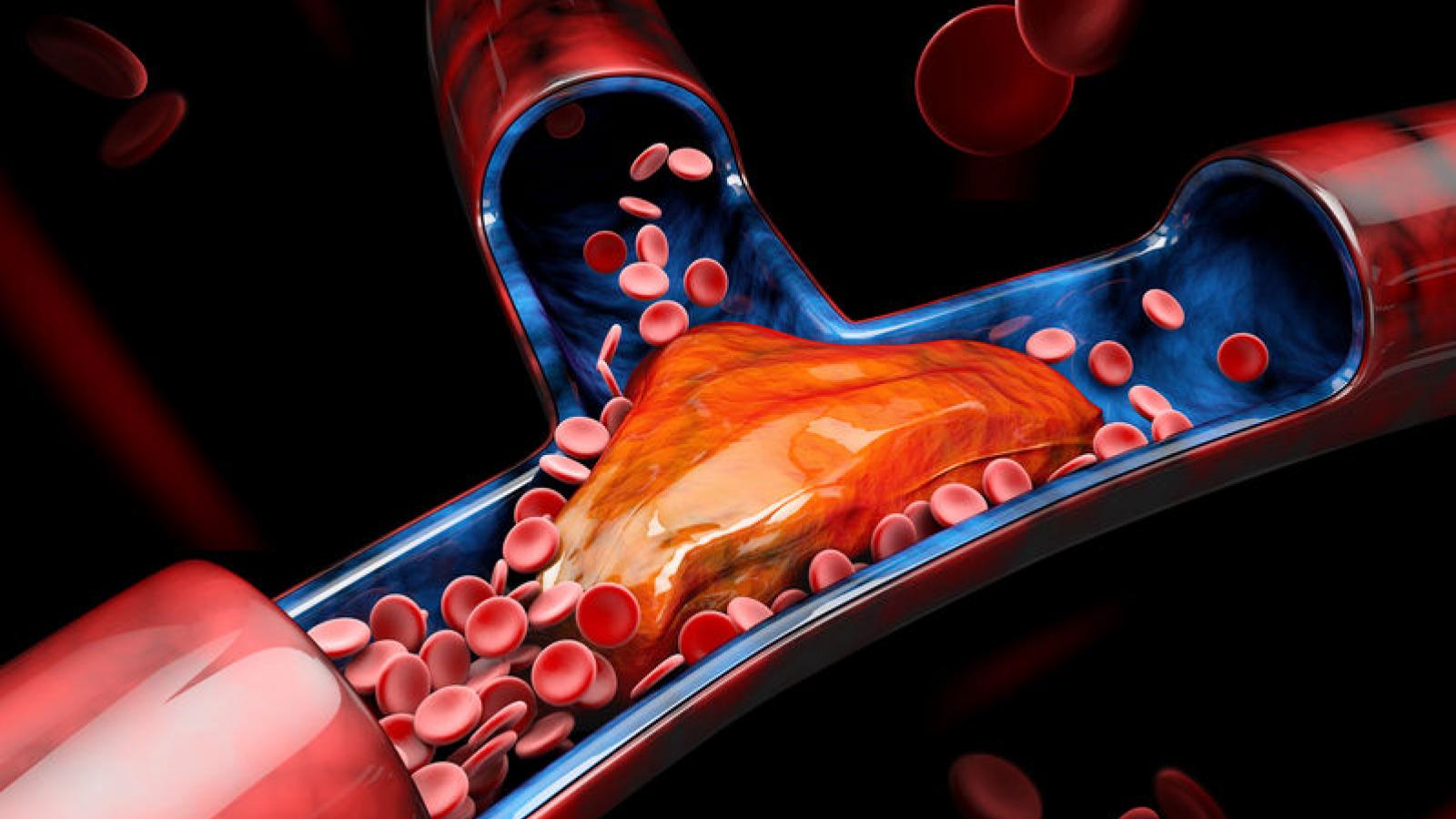
The European Medicines Agency safety committee (PRAC) has concluded that Xeljanz (tofacitinib - TOFA) could increase the risk of blood clots in the lungs and in deep veins in patients who are already at high risk for venous thromboembolic events. The PRAC is recommending that TOFA should be used with caution in patients at high risk of blood clots (VTE), regardless of dose used.
Reuters reports that Mallinckrodt Plc has received a subpoena from the U.S. Securities and Exchange Commission for documents related to the drugmaker’s lawsuit against the U.S. Department of Health and Human Services (HHS).
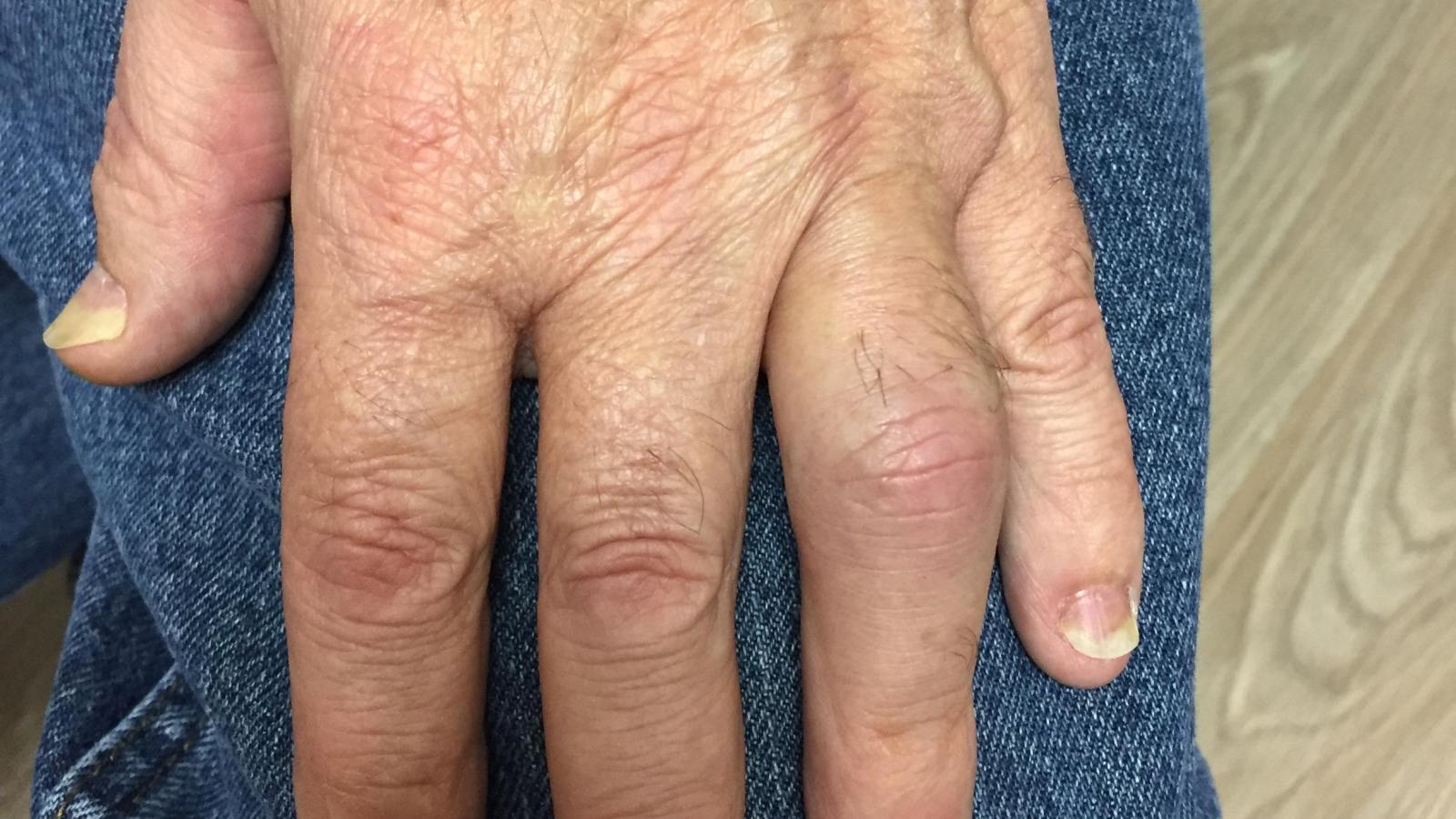
Major new insights into the treatment of psoriatic arthritis dominated the headlines during the past year, with a head-to-head trial comparing IL-17A inhibition with tumor necrosis factor blockade, another study considering whether methotrexate can improve outcomes with anti-TNF therapy in PsA, and an investigation into the effects of biologic therapy on bone.
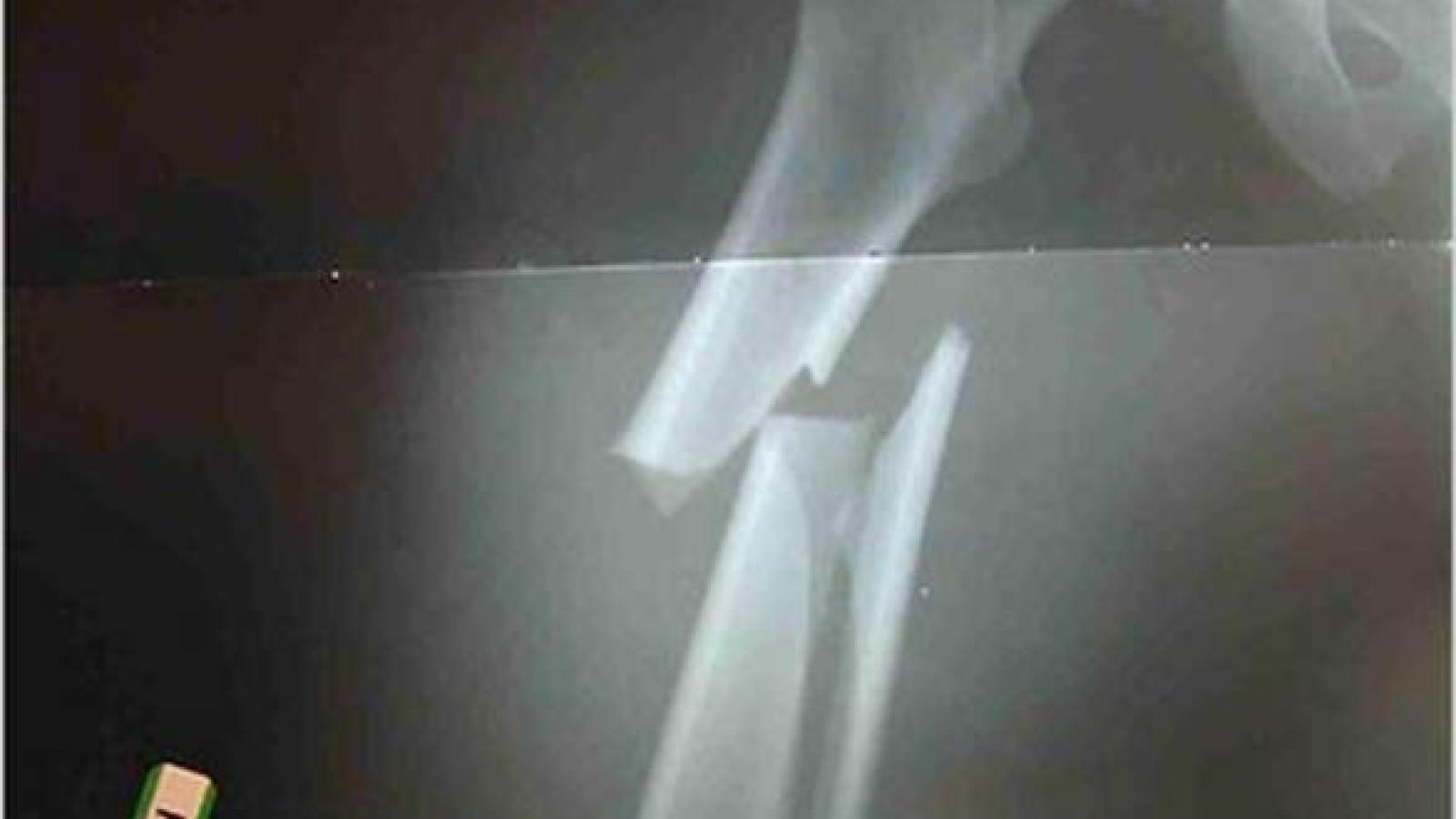
An analysis from the Women’s Health Initiative study shows that postmenopausal women who participate in vigorous physical activity have a statistically lower risk of total and site-specific fractures
Novartis has announced the results of the EXCEED trial that pitted its IL-17 inhibitor, Cosentyx (secukinumab - SEC) against Humira (adalimumab - ADA) in patients with active psoriatic arthritis. The trial demonstrated that SEC was not non-inferior to ADA, but failed to meet its primary endpoint of superiority over ADA as far as drug efficacy.

