
Researchers at Brigham and Women's Hospital, Boston evaluated the efficacy and safety of the anti-inflammatory drug losmapimod on cardiovascular outcomes given to patients with a history of myocardial infarction and CV risk factors.
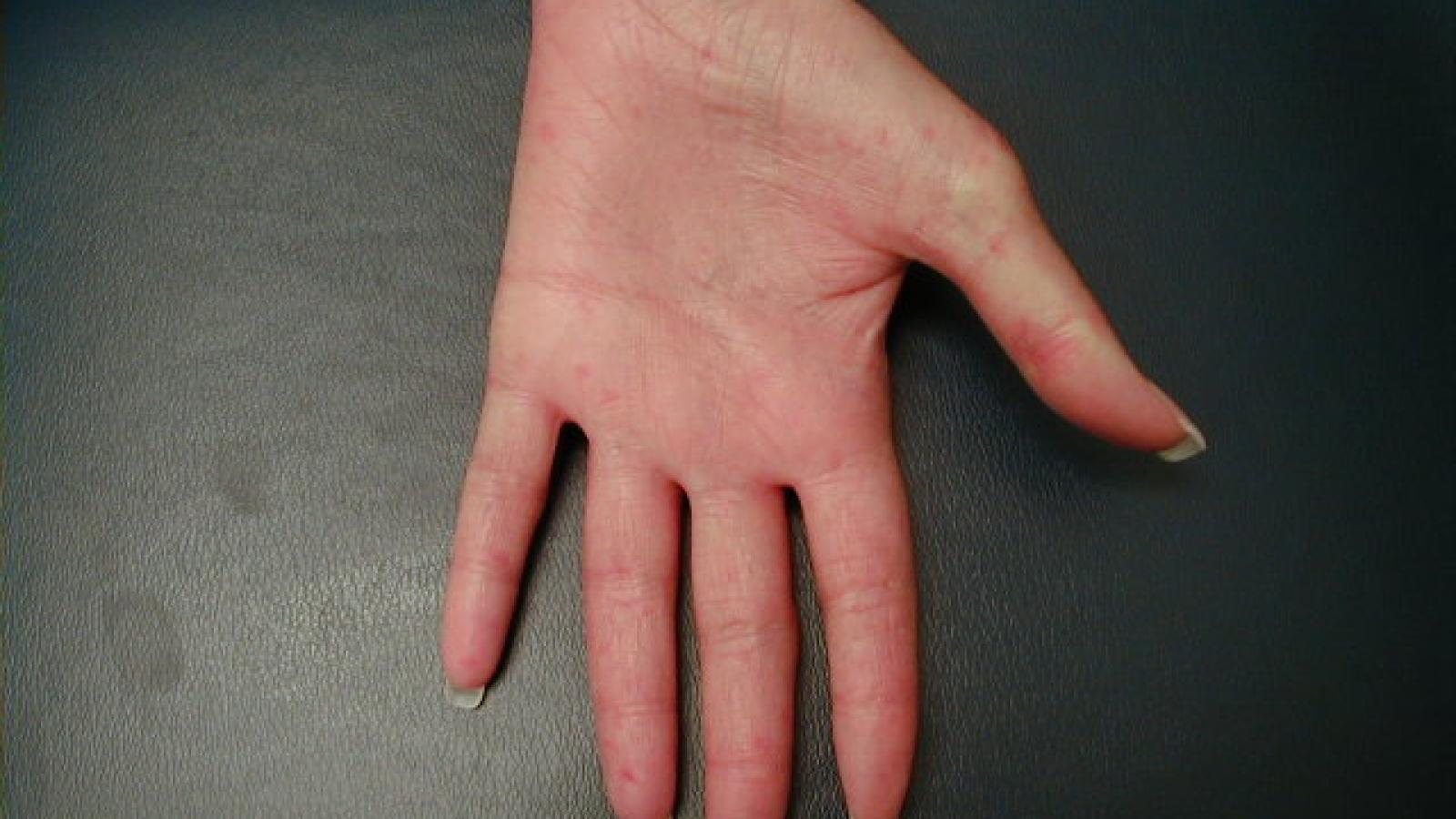
Systemic sclerosis is one of the most challenging of rheumatic diseases, often complicated by significant morbidity and leads to irreversible disability in many cases. While new treatments aimed to target major organ damage develop, little success has been achieved in management of skin changes of diffuse cutaneous systemic sclerosis (dcSSc).

The American College of Cardiology has released its expert consensus guidance regarding the use of non-statin therapies to lower cholesterol in high-risk patients.
In 2013, ACC/American Heart Association published a Guideline on the Treatment of Blood Cholesterol to Reduce Atherosclerotic Cardiovascular Risk in Adults. This is an addendum to the treatments (non-statin) not covered in that guideline.
Despite regular attendance at medical meetings and despite fulfilling regulatory requirements for our specialty, I’m not sure how much I learn that changes the way I practice medicine. So I recently persuaded a colleague to come and coach me, inviting him to observe me for a morning in clinic. This was the first time I had been observed in this way since I was a medical student. A little daunting, but after a while I largely forgot he was there
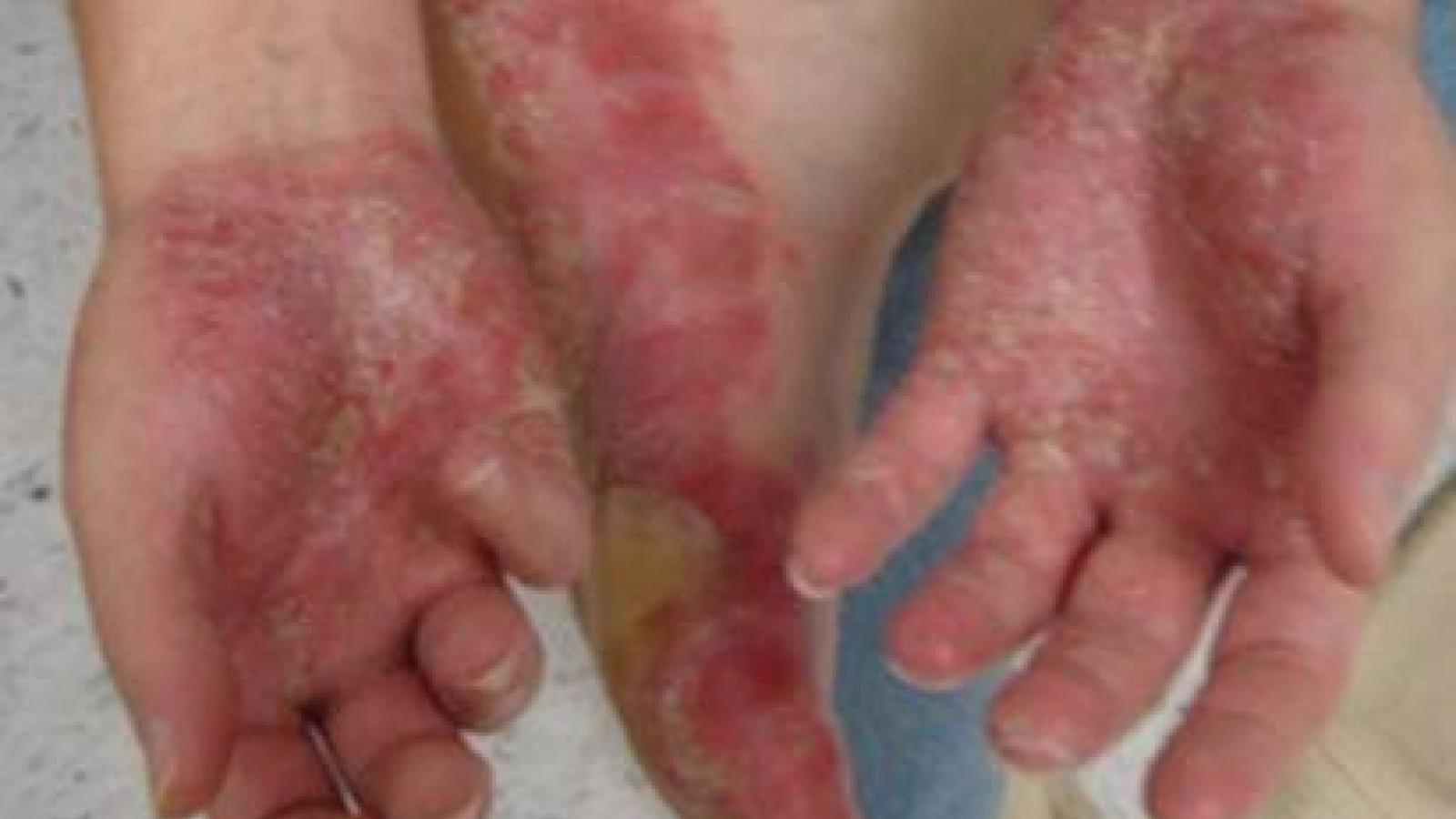
There have been several reports of psoriasis being linked to chronic renal disease in the literature. Another population-based study has also found a link between severe psoriasis and kidney disease.
A report from the annual meeting of the American Academy of Dermatology has found an almost fivefold increase in the risk of immunoglobulin A nephropathy (IgAN) and a doubling in the risk of glomerular disease.
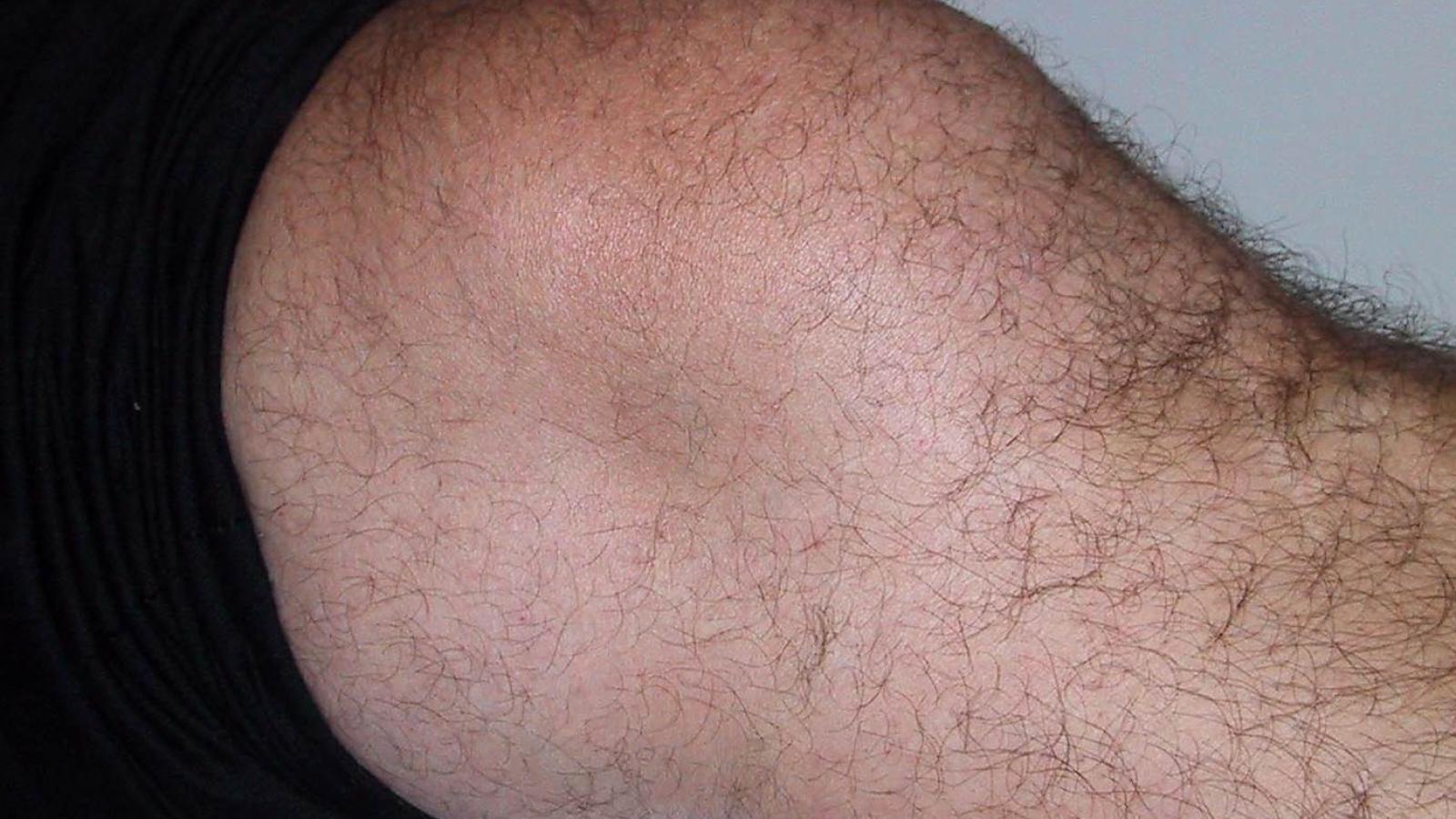
Knee effusions in osteoarthritis are estimated to occur in 44% of patients, and more than half of these are painful. Management of knee OA with effusions can be problematic given the treatment options and the high recurrence rate.

Highlights from this week on RheumNow.com

Opioid use and abuse is at an all time high. Epidemiologic and public health analyses have led to greater stringency and attempts to limit use have adversely effected those with arthritis.
Researcher at the Mayo Clinic have examined trends in opioid use among patients with rheumatoid arthritis (RA).
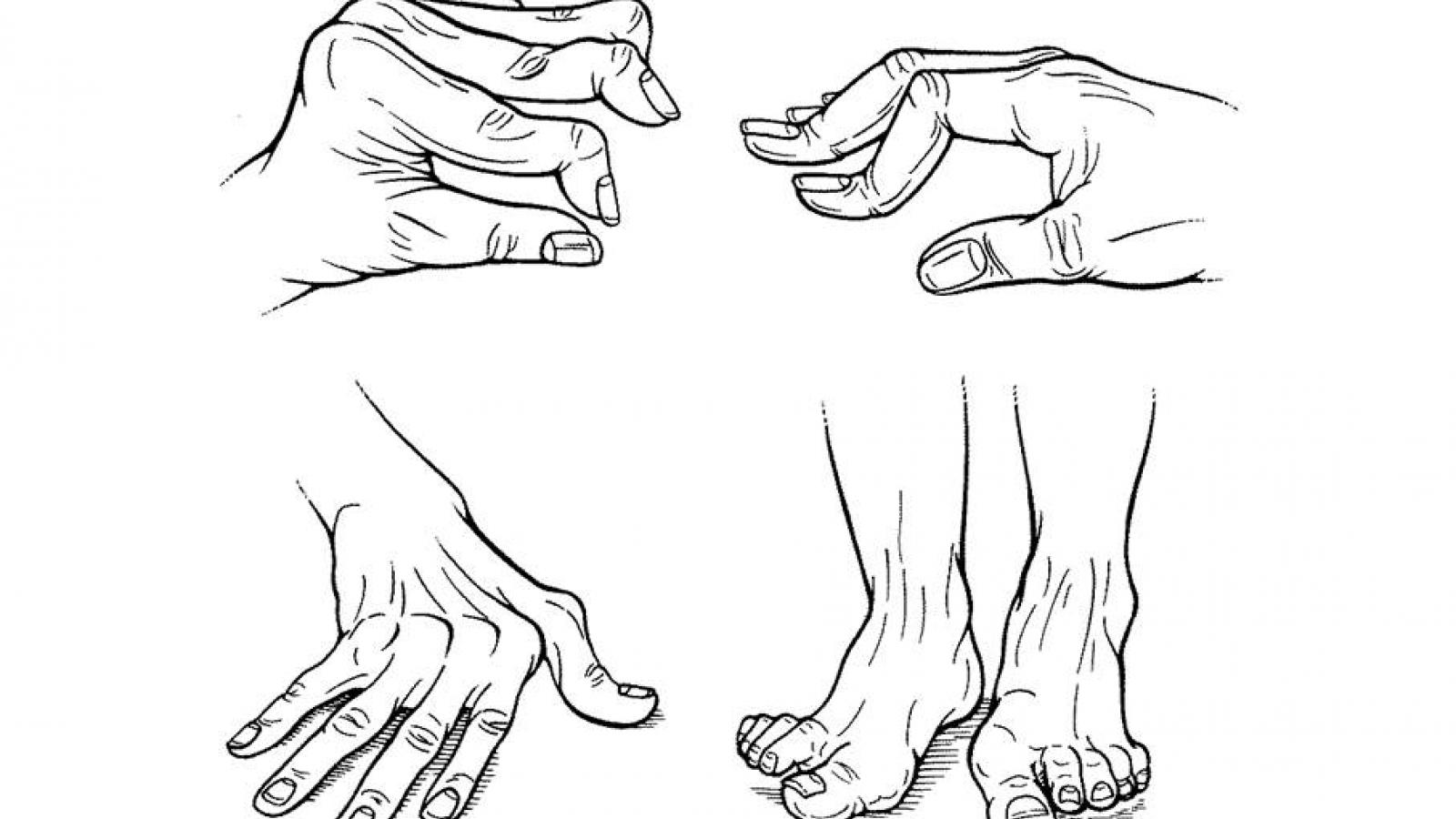
The small molecule oral JAK inhibitor baricitinib was effective for patients with highly refractory rheumatoid arthritis, a phase III study found.

Why don't rheumatologists send their smoker patients to smoking cessation programs or use aids for cessation? Do we think it is not our problem?
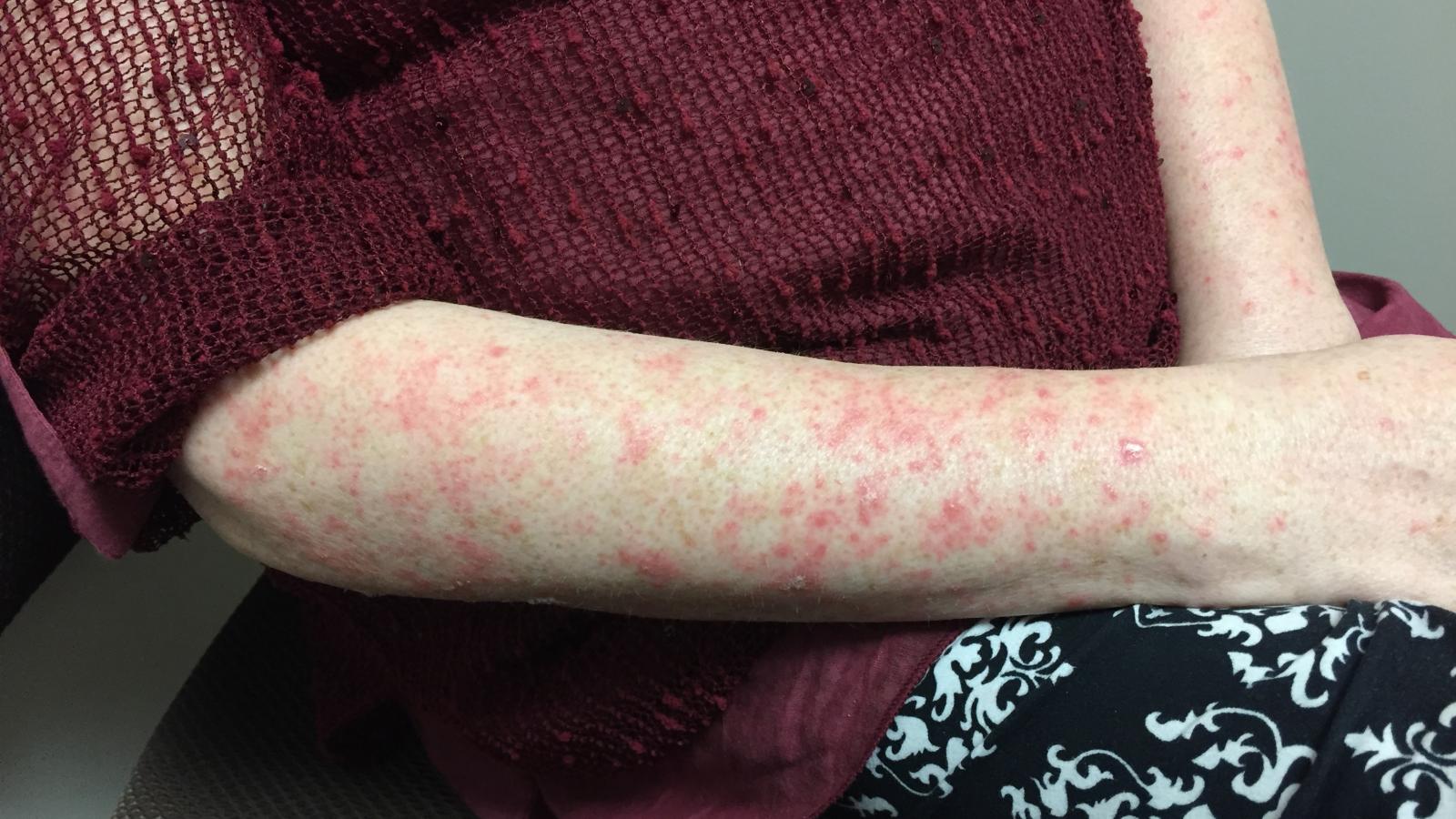
Researchers at the University of Toronto have prospectively studied a cohort of 464 psoriasis patients without a diagnosis of arthritis and followed them over 8 years to estimate the incidence and frequency of psoriatic arthritis (PsA).
During the 8 years of follow-up, 51 patients developed PsA; with an annual incidence rate of PsA was 2.7 cases (95% confidence interval 2.1–3.6) per 100 psoriasis patients.

(Reuters Health) - Twelve weeks of antibiotic therapy proved ineffective at combating the long-term symptoms seen in some people who have had Lyme disease, a new test of 280 sufferers found. (Citation source http://buff.ly/1Rs21R5)

RheumNow is committed to reporting safety issues in our monthly Drug Safety Bulletins, wherein we will update you with reports of new, ongoing and resolved Drug Shortages that will affect rheumatology. If you have suggestions or information about specific drug shortages or drug safety issues please email us at: info@rheumnow.com .

A recent report from the United States Bone and Joint Initiative (USBJI) estimates that 126.6 million Americans (one in two adults) are affected by a musculoskeletal (MSK) condition; a number on par with the number of Americans living with a chronic lung or heart conditions. The impact of MSK conditions is impressive.

p dir="ltr"Despite an often fairly characteristic pattern of signs and symptoms, there are significant diagnostic challenges with polymyalgia rheumatica. The reason is that similar clinical features can be also observed in other diseases mimicking PMR, including infectious and malignancies, elderly-onset rheumatoid arthritis, giant cell arteritis, chondrocalcinosis or myositis, to mention some of the most important differential diagnoses. nbsp;/p

