

Analysis of a Greek Psoriatic Arthritis (PsA) cohort shows that nearly one quarter of patients have axial involvement, and among them, ∼30% have isolated spinal axPsA and nr-axSpA, respectively.

Some dietary habits are worse than others when it comes to gout risk for women, a large study indicated. Data from the two iterations of the Nurses' Health Study, in which more than 170,000 women were followed for more than two decades, indicated that diets scoring high on the Empirical Dietary Inflammatory Pattern (EDIP) index nearly doubled the risk for new-onset gout after adjusting for body mass index.

At a EULAR 2025 session titled “What makes ‘Difficult-to-treat RA’ so difficult to treat? And what can we do?”, Drs. Paula David and Dennis McGonagle introduced the emerging concept of polyrefractory rheumatoid arthritis (RA), a term now being used to describe a subset of patients who have failed to respond to five or more biologic or targeted synthetic DMARDs. This new classification, derived from recent multinational registry data,

Dr. Jack Cush reviews the news and journal reports from last week on RheumNow.com
Annals of the Rheumatic Diseases (ARD) is the official journal of EULAR –The European Alliance of Associations for Rheumatology. An international peer-reviewed publication committed to promoting the highest standards of scientific exchange and education.
A single center study shows HLA-B27 testing is often performed by both by rheumatologists and nonrheumatologists for a wide array of reasons and often along with other serologic tests. Optimal use of HLA-B27 testing has yet to be defined.
A comprehensive review in Rheumatology on intracranial giant cell arteritis (icGCA) stresses that GCA is both an intracranial and extracranial large vessel vasculitis, with the former having unique presentations, and outcomes.A systematic review included 102 studies and 340 patients with icGCA. The median age was 73.7 years with 47% patients being female.
The diagnosis of axial spondyloarthritis (axSpA) is clinical, however, there are still unmet needs, particularly in the diagnosis of early disease and evaluation of disease activity and progression. As imaging technology continues to evolve, its role in axSpA management is expected to expand, offering more precise, individualized care. Here are two studies presented at EULAR 2025.
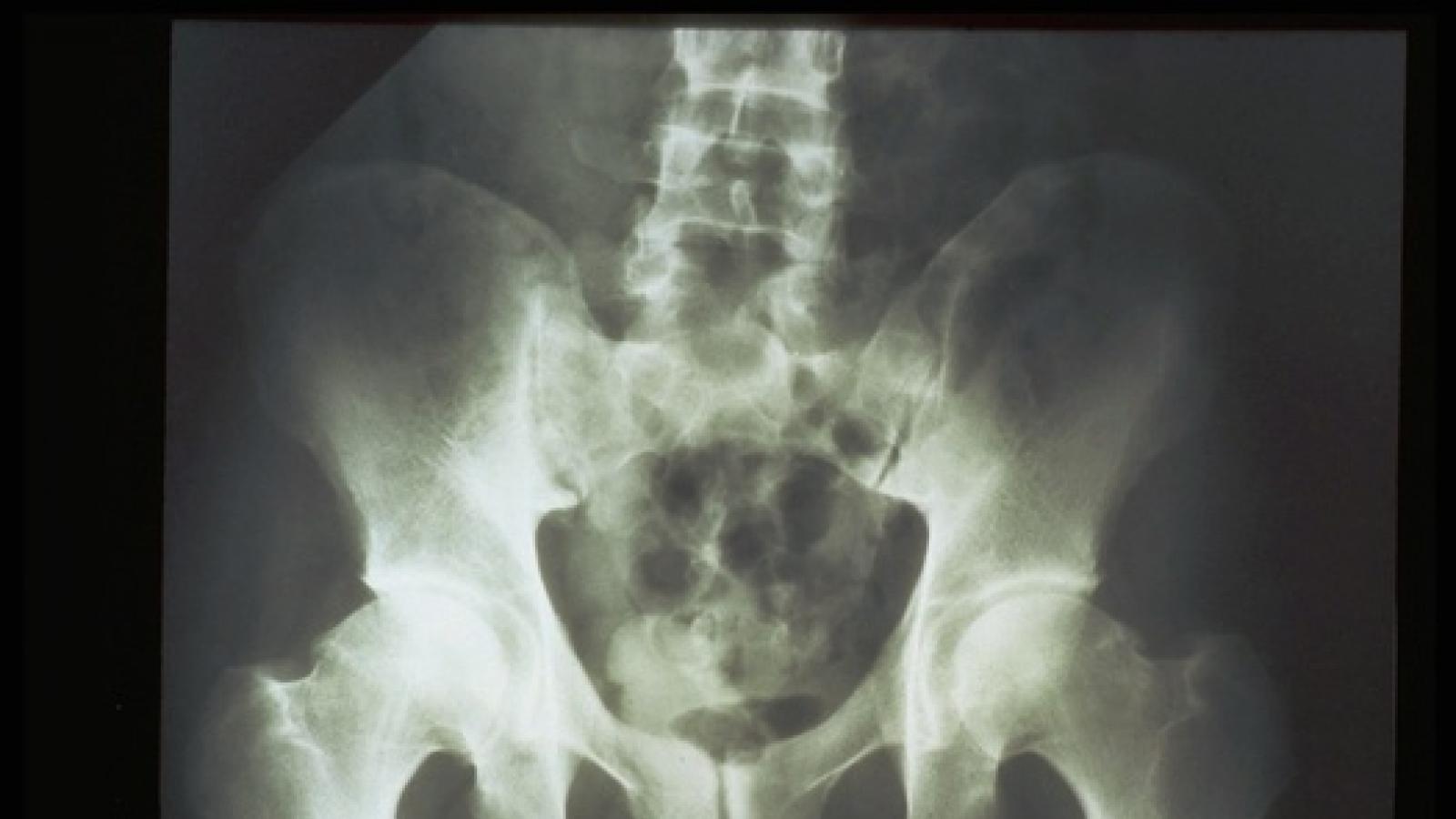
Most patients with early, active axial spondyloarthritis (axSpA) who quickly received a tumor necrosis factor (TNF) inhibitor experienced remission, and it didn't matter whether or not they had intestinal inflammation at baseline, a small single-arm study found.

The “Difficult” framework has now reached PsA. At EULAR 2025, two independent definitions were presented: one by the Group for Research and Assessment of Psoriasis and Psoriatic Arthritis and another by EULAR. This short review explores the similarities and differences between these definitions and discusses their potential implications for clinical practice and research, especially for the increasingly perplexed rheumatologist.

Knee braces, water therapy and exercise are the most promising non-drug therapies for treating knee osteoarthritis, according to a new meta-analysis publishing June 18, 2025 in the open-access journal PLOS One by Yuan Luo of the First People’s Hospital of Neijiang, China.

It's easy to think that in our current world that we've done it all for rheumatoid arthritis, that there's nothing left to be done after b/tsDMARDs have become relatively widespread and accessible. If we aren’t satisfied that we’ve done all we can for our RA patients, how can we make their treatment and their lives better?
Dr. Jack Cush reviews highlights, trends and novel studies from EULAR 2025 in Barcelona from last week.
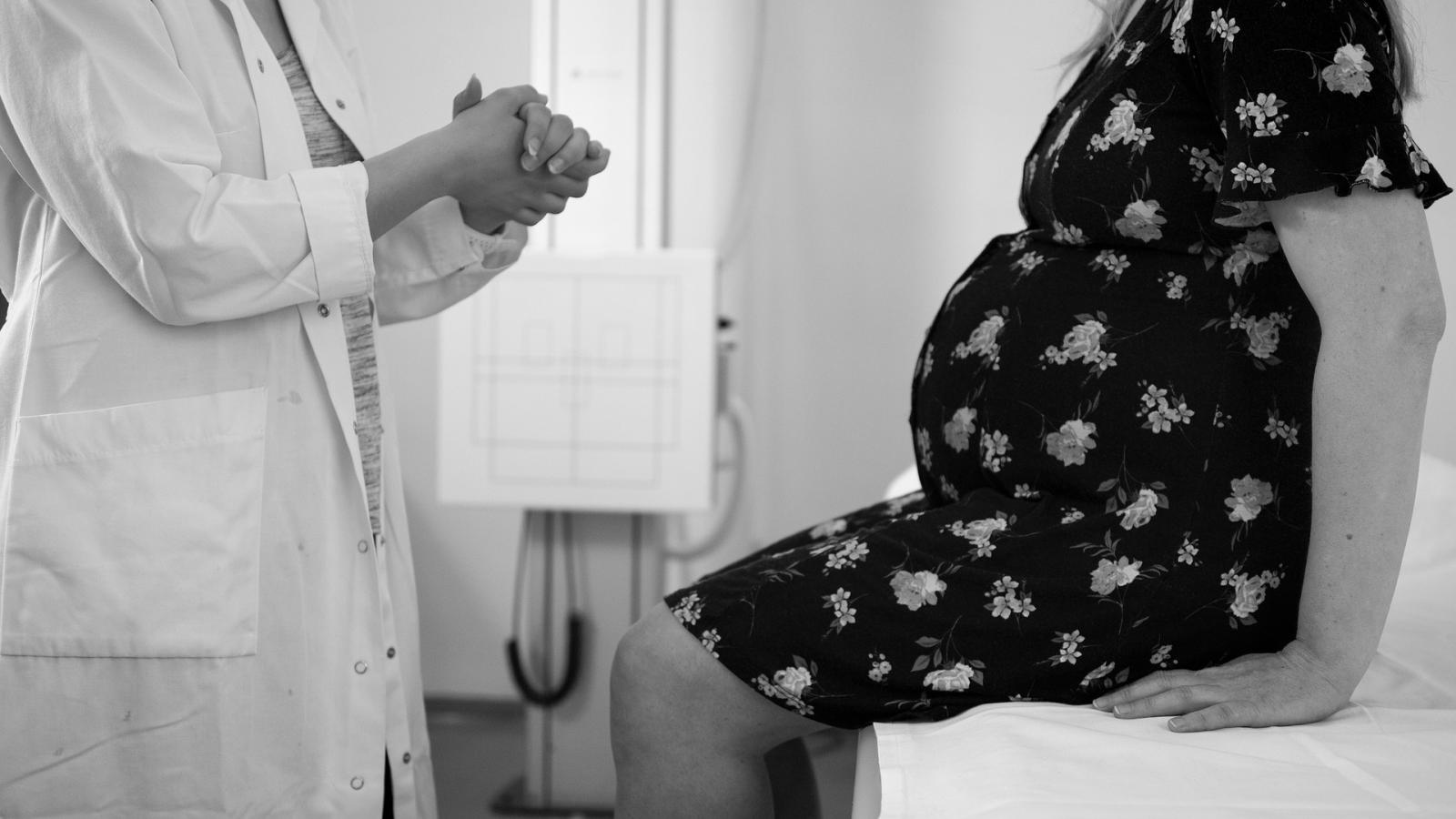
While clinical comorbidities such as lupus nephritis, hypertension, and thrombocytopenia have traditionally dominated risk assessments, new findings presented at EULAR 2025 spotlight the critical—and often underrecognized—role of social determinants of health (SDOH) in shaping maternal outcomes.
Over the last 50 years, discoveries of connections between inflammation and the nervous system have been better understood.

