
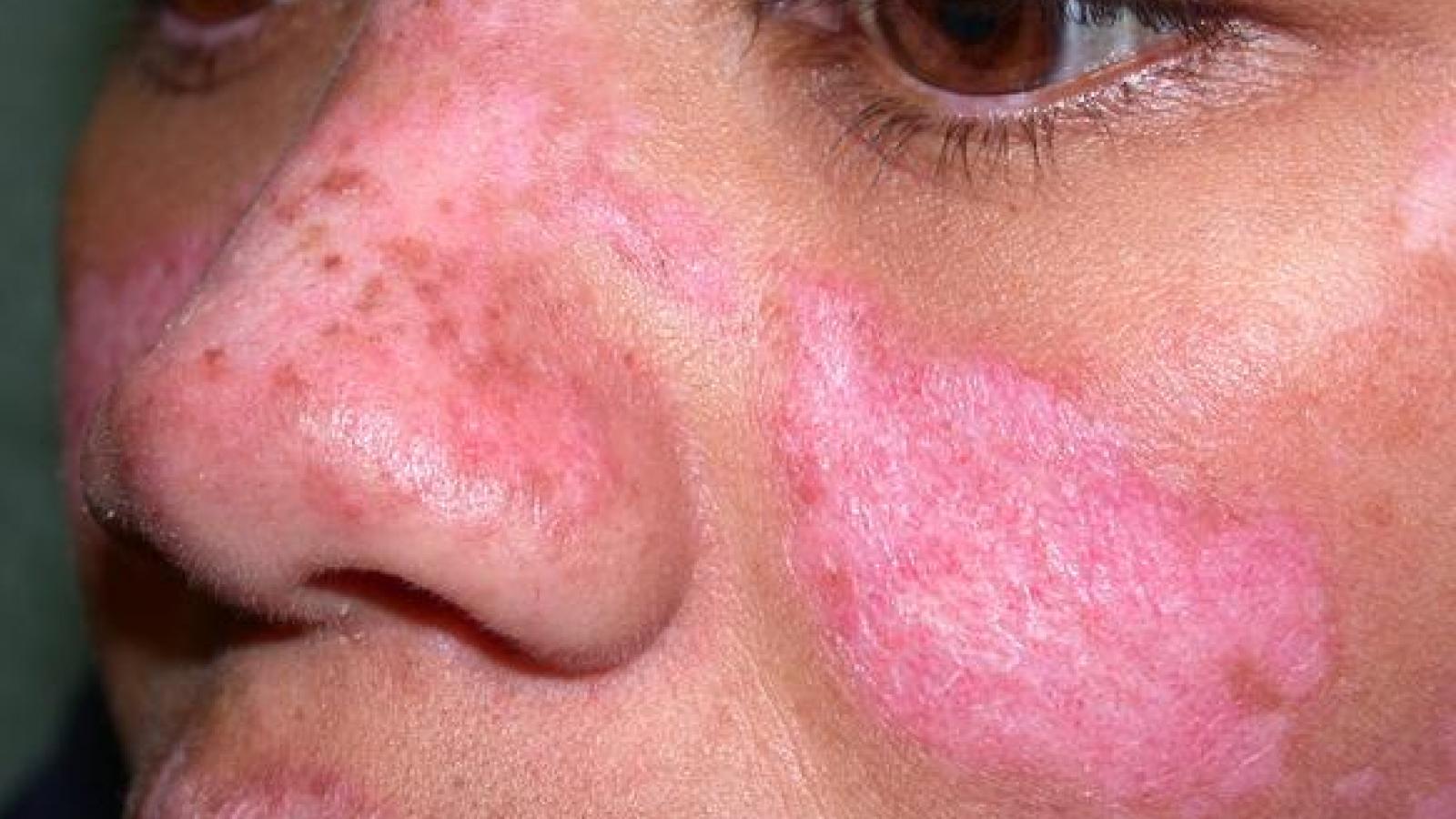
JAMA Dermatology features a discussion by Drs. McMichael and Frey on measuring lupus skin disease in clinical trials and practice using the validated Cutaneous Lupus Erythematosus Disease Area and Severity Index (CLASI).

Axial spondyloarthritis (axSpA) affects young patients with symptom onset occurring in early adulthood. Apart from pain and quality of life, reproductive issues also arise because patients who are diagnosed with the disease are also in their reproductive age. Two interesting abstracts about reproductive issues in axSpA will be presented during the poster sessions on Saturday, November 16, 2024.

Inebilizumab is an monoclonal antibody that targets and depletes CD19+ B cells and has been studied in adults with IgG4-related disease.
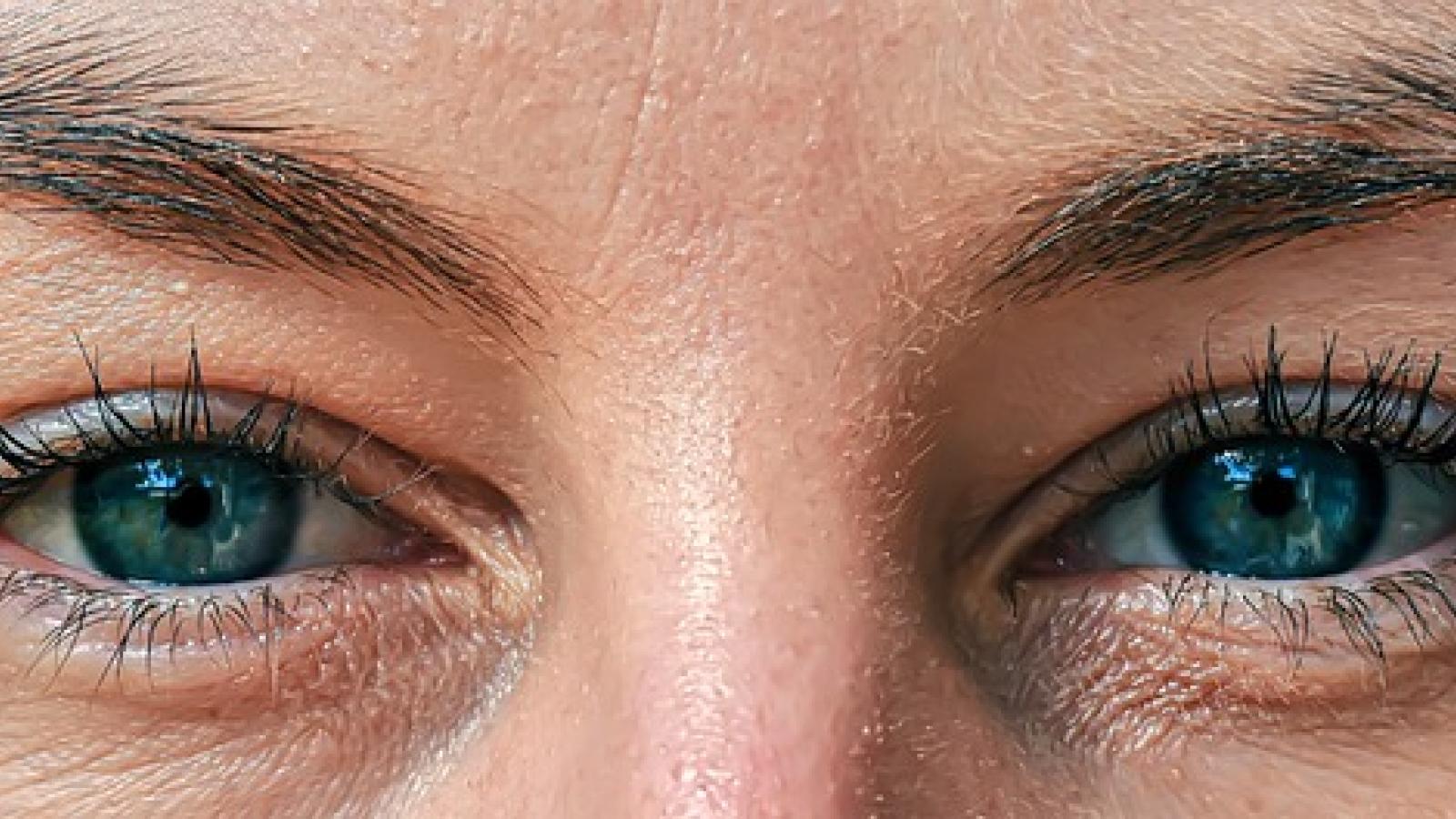
A 52-week has demonstrated the safety and efficacy of ianalumab, a dual B cell depleter) in patients with active Sjögren's disease (SjD).

Unlike traditional imaging techniques, MSUS can be easily used at the point-of-care and offers high-resolution images of joints, tendons, and soft tissues, facilitating the early detection of inflammation and structural damage. On Saturday, November 16th at the ACR Convergence 2024, Dr. Veena Ranganath, Dr. Gurjit Kaeley, and Dr. Catherine Bakewell will present the “Proposed ACR Guidance for Use of Musculoskeletal Ultrasound in Rheumatoid and

Despite all its benefits, ultrasound’s daily clinical use remains the domain of only a subset of interested rheumatologists. If the benefits are so clear, then why is it not universal? In the late-breaking oral abstracts at ACR Convergence, the final abstract presentation was from the Danish rheumatologists behind ARTHUR and DIANA: the robot which holds the MSK ultrasound probe, and the artificial intelligence brains which empowers it. Perhaps
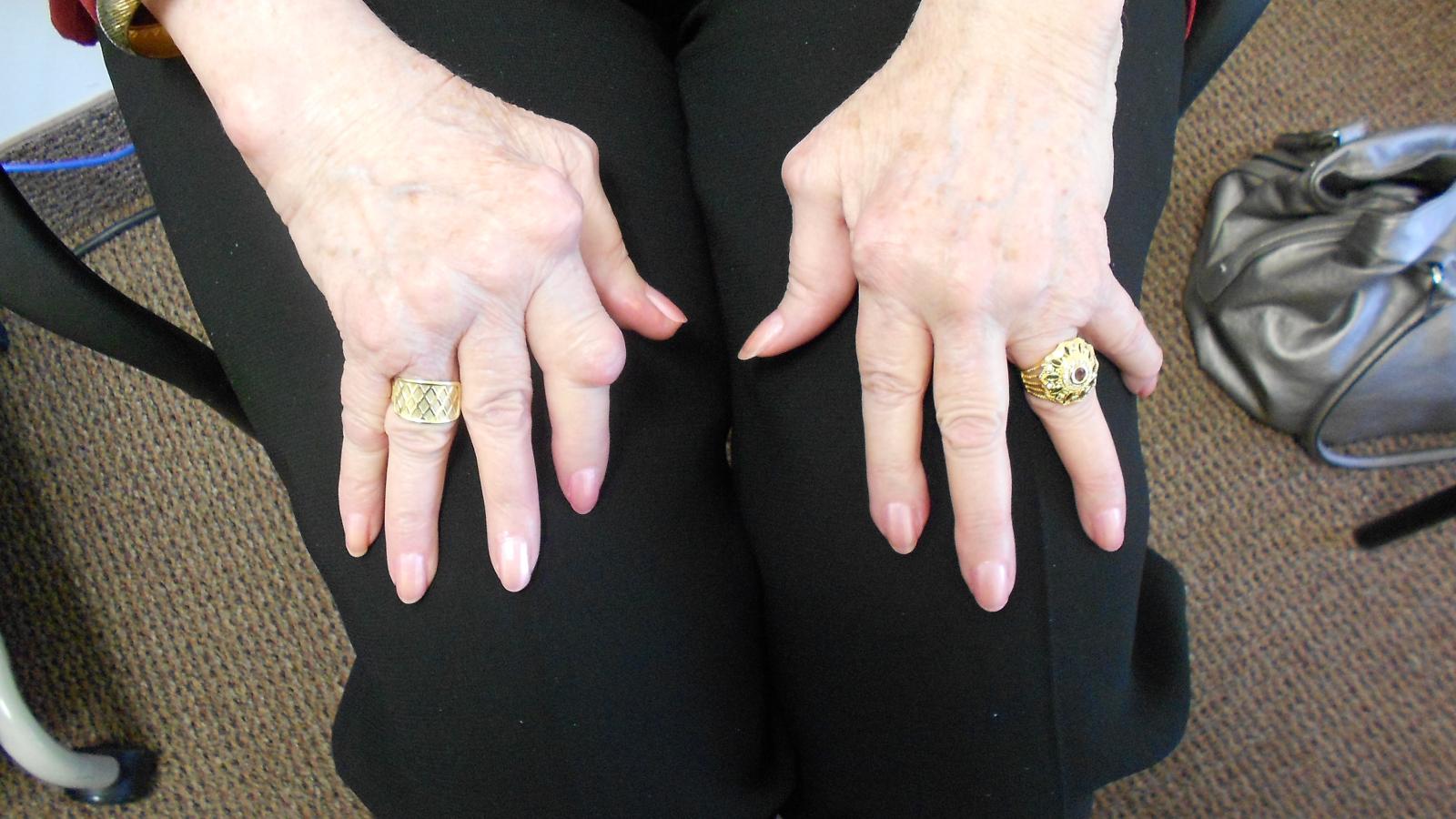
A recent study by Sparks et al reveals evolving trends in DMARD usage for rheumatoid arthritis over two decades in the United States. This retrospective analysis evaluated 407,728 DMARD initiation episodes among 229,365 unique patients from 2001 to 2021.

Join Drs. Jack Cush and Artie Kavanaugh as they review 15+ presentations and abstracts from the 2024 ACR Convergence meeting in Washington, DC.

When the ACR Convergence 2024 abstract site went live, the first query I typed into the search bar was, “CAR-T.” I consider myself a CAR-T skeptic and would be surprised if the magical results from this NEJM case series replicate at scale, but it seems likely that CAR-T will revolutionize the care for (some) patients with rheumatic diseases.

Many of our diseases are made worse by obesity, notably rheumatoid arthritis, psoriatic arthritis, and osteoarthritis. Much of the refractory pain and suffering from these conditions might be attributable to obesity, so active questions will be raised about how GLP-1 agonists can influence the diseases we treat.

When should you consider off-label use of JAKi?

Similar to JAKs, TYK2 is an important mediator of innate and adaptive immune activation. Unlike JAKs, however, TYK2 is thought to play a minimal role in other pathways, such as metabolic and hematopoietic axes. Therefore, it is hypothesized that TYK2-targeted agents could be effective in rheumatic disease, with a potential for less off-target adverse effects. Zasocitinib is a new, oral TYK2 inhibitor generated using artificial intelligence-
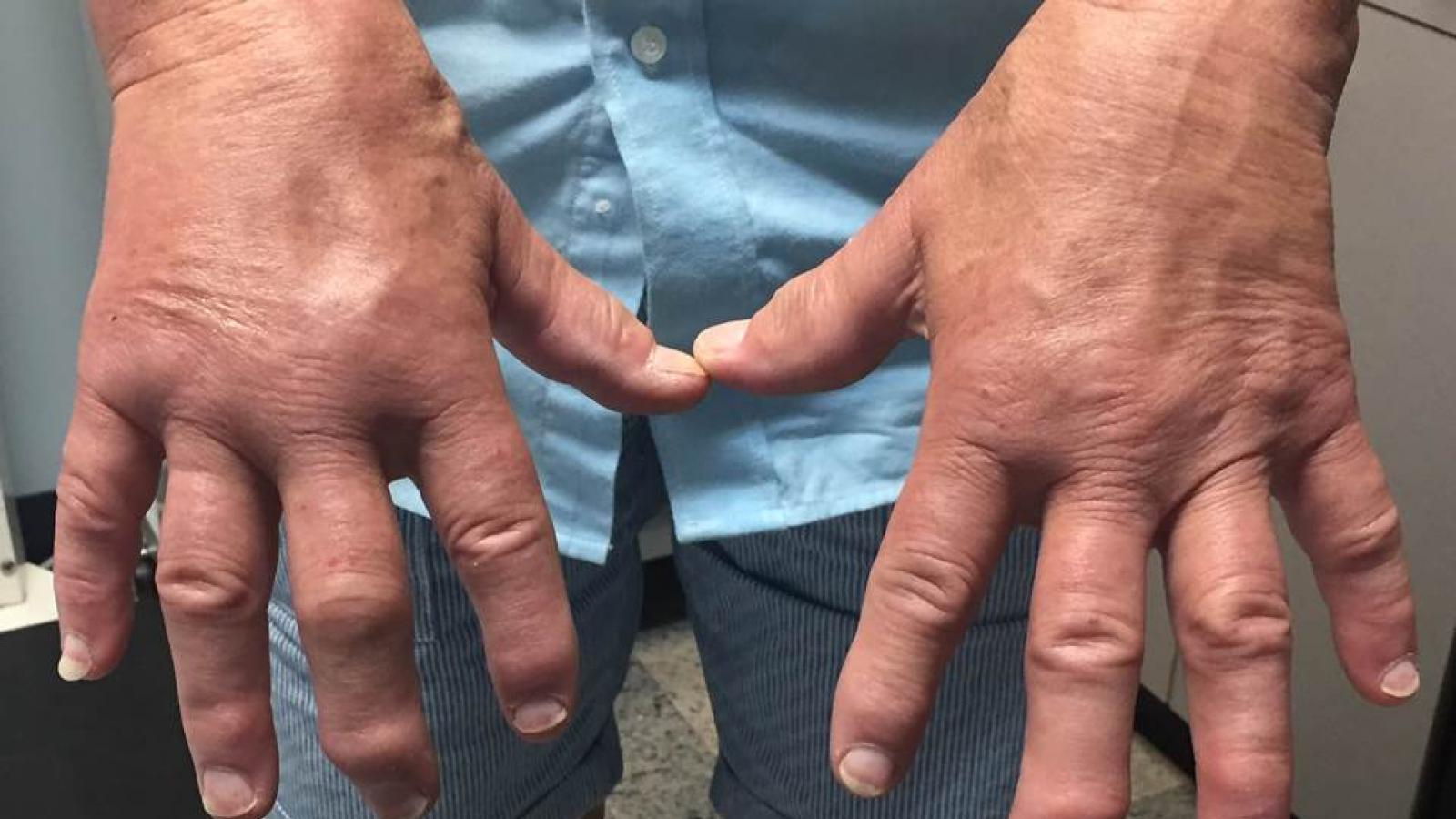
Despite the remarkable expansion of the therapeutic armamentarium for psoriatic arthritis (PsA), the MONITOR-PsA study highlights a persistent and critical issue: delays in diagnosis. The study findings are stark, with about 25% of patients having erosions at diagnosis.
A recent study presented at #ACR24 convergence highlights significant gaps and inconsistencies in the research of systemic juvenile idiopathic arthritis (sJIA) and adult-onset Still’s disease (AOSD). Analyzing 195 studies with over 18,000 patients, they found considerable variation in clinical and outcome measures between pediatric and adult cohorts.

The global population is aging and none of our rheumatic diseases are immune to the impact of the complexities and so-called “geriatric syndromes”, including sarcopenia, frailty, falls and cognitive impairment, associated with the aging process. Whilst we are increasingly aware of these syndromes, it is sometimes overwhelming to consider just how we may incorporate the unique needs of our older patients into our already busy clinical practice –

