

Whether it’s RA, SLE or Sjogren’s, the increased prevalence of females affected by auto-immune diseases is well established, yet not fully understood. Often, I have heard that sexual hormones are responsible for every aspect of it. Two abstracts presented this year question this paradigm.

A lot of interesting studies will be presented at the poster sessions on Sunday, November 12 and some of them address practical real-world issues such as treatment intensification and the impact of pregnancy on axSpA imaging.
Dr. Jack Cush reviews this past week's news and journal reports from RheumNow.com. Good news is that nearly 99% of adult rheumatology positions matched! But the challenge is that 45% of pediatric fellowship programs and 39% of pediatric rheum slots were unfilled in the 2024 NRMP match.

Psoriatic arthritis and the gut microbiome have become more intertwined, especially in the past few years. It was to my amazement that one of the first abstracts I came across was the effect of probiotic modulation on gut dysbiosis and disease activity in psoriatic arthritis patients.

While adult rheumatology programs continue to have high match rates, pediatric rheumatology programs remain less popular.The National Residency Matching Program announced yesterday that the 2024 rheumatology fellowship match filled 97.6% (124/127) of programs, and 98.9% (273/276) of rheumatology fellowship positions. This is on par with last years (2023) adult rheumatology match wherein 97.8% (265/271) of the rheumatology fellow positions were
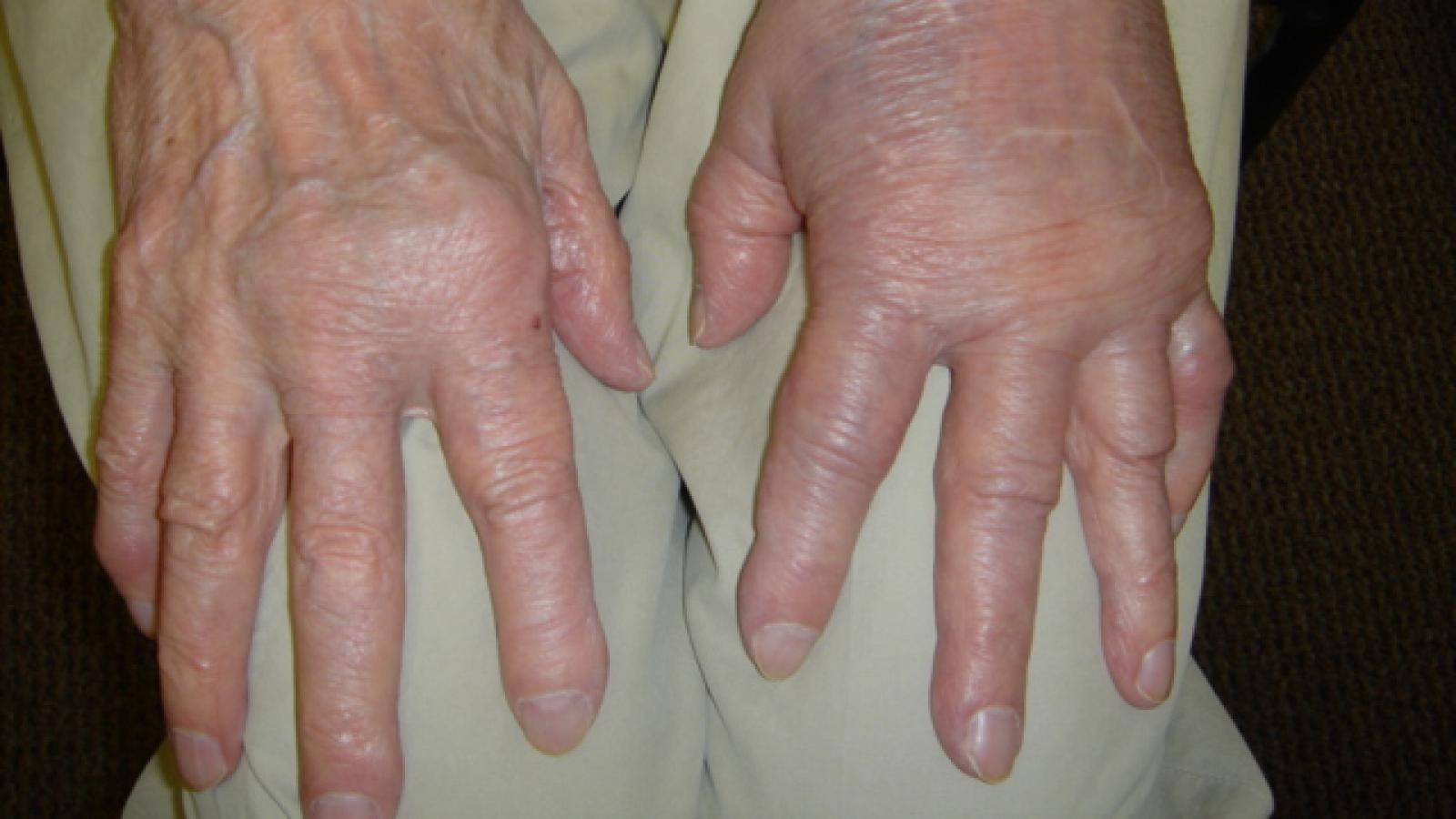
It has been just over a decade since the approval of tofacitinib (JAK1/JAK3-inhibitor) by the US FDA for the treatment of rheumatoid arthritis. Since then, baricitinib (JAK1/JAK2-i), filgotinib and upadacitinib (both selectively targeting JAK1) also have been licensed for the treatment of rheumatoid arthritis. As there are many more JAK-inhibitors evaluated in clinical trials currently, how do you stand out?
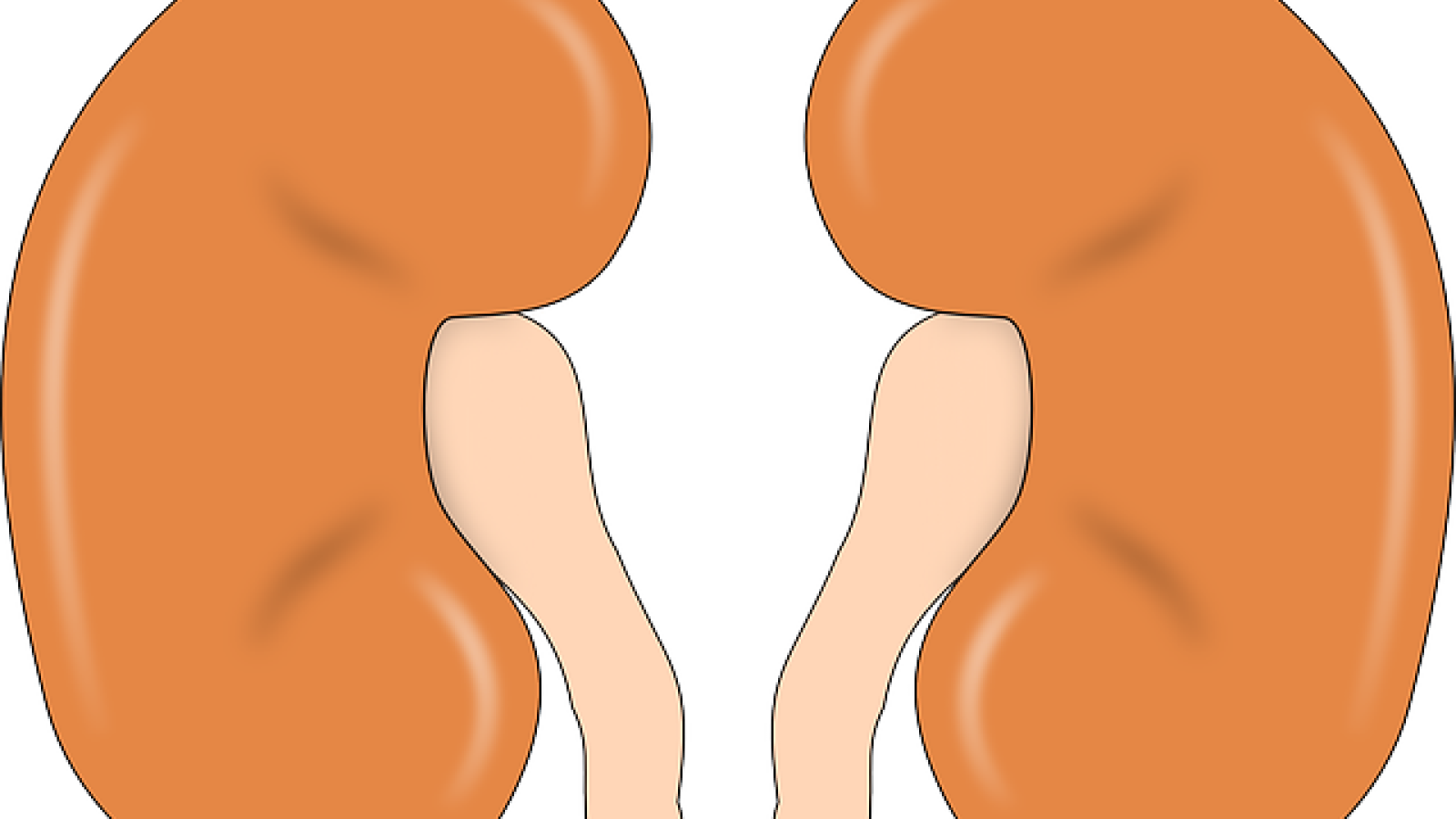
You know this; you've taught this; but here's a good study documenting a higher risk of methotrexate toxicity when used in the setting of older patients with chronic kidney disease.
Yesterday's JAMA published a higher 90-day risk of serious adverse events in older adults with CKD taking low-dose methotrexate, compared to hydroxychloroquine.

The problem with having therapies that work is that you then have to figure out what to do with them. You cannot hide behind a shrug of the shoulders, or the ambiguity of therapeutic inadequacy. The question that follows the presence of a therapy is the question as to how to best use it.
GCA and PMR are at the stage in the growth of their therapeutic development where this problem is moving to the front of mind, and it made for a fitting topic

Here's what I learned at ACR23 that will change the way I practice in rheumatoid arthritis.

The possibility of withdrawing DMARDs after patients achieve remission has been in our minds for a while. Yet when our patients ask whether it is a good idea to taper or stop their DMARD when they are doing well, most of us don’t have a black or white answer for them. The arrival on the market of several biosimilars and very reassuring long term safety data with bioDMARDs also provides encouraging prospects for longer term exposure.

We have become accustomed to the 60/40/20% rule for the outcome of ACR 20/50/70 respectively for biologics and targeted synthetic DMARDs. When a new agent is launched, we look out for the treatment response with much anticipation if it will be higher or lower than the benchmark we expect.
In this week's podcast, Dr. Jack Cush reviews the ACR Convergence 2023 meeting and proposes how to best learn at your next large medical meeting.

There is not a single one of us in rheumatology who hasn’t prescribed steroids, but we really need to reconsider how much and how often we use them.

TNF inhibitors revolutionised the treatment of rheumatoid arthritis. While highly effective for the joint manifestations of the disease, a note of caution was sounded regarding the potential for worsening of ILD with these agents. Within this framework, a study by England et al presented at ACR23 was highly relevant.

IgG4-related disease describes a group of fibroinflammatory diseases whose features may include autoimmune pancreatitis, swelling of or within an organ system, salivary gland disease, swollen lymph nodes, skin manifestations, and symptoms consistent with allergies or asthma. While remission induction treatment with glucocorticoids has proven effective, the high relapse tendency is an ongoing challenge for clinicians.

