


2026 BSR Guideline for the Ttreatment of Polymyalgia Rheumatica Save


Know-it-now
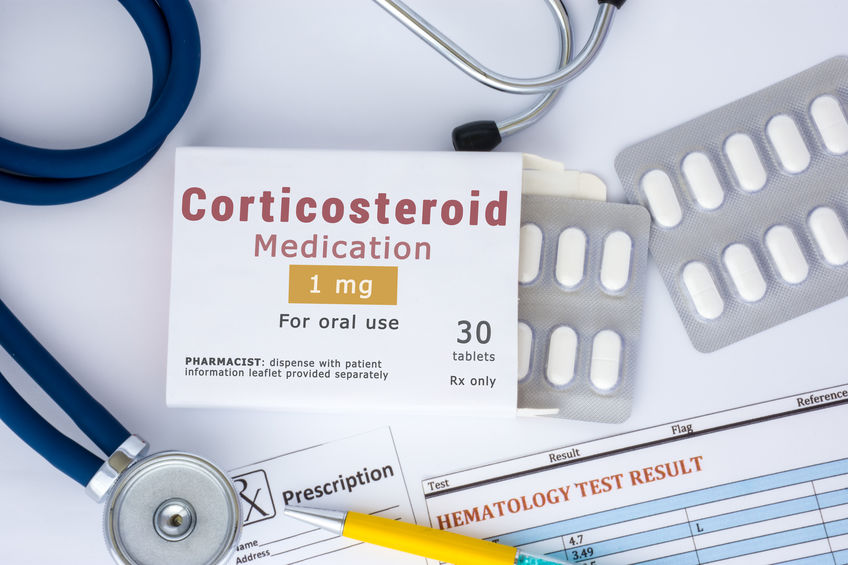
Start low. The recommended starting dose is Prednisones 12.5–15 mg, not 15–25 mg (doses below 10 mg risk incomplete response).
Bone protection is mandatory and should not wait for DEXA results (Only 67% of patients are coprescribed bisphosphonates, and men and patients in deprived areas are undertreated).
MTX is a possible option. (small PMR-MODE (n=58) study, MTX 25 mg/week achieved GC-free remission at week 52 in 80% vs 46% against placebo).
Faster tapers are legitimate (many trials [eg, PMR-MODE] have used a 24-week taper, with 46% still reaching GC-free remission). There is ample evidence that too many PMR patients are kept on GCs longer than they need to be.
IL-6R blockade (steroid-sparing therapy) is for refractory disease; first-line therapy.
- In SAPHYR, sarilumab produced sustained remission in 28% vs 10%, with a median cumulative GC dose of 777 vs 2,044 mg.
- In SEMAPHORE, tocilizumab met the primary endpoint in 67.3% vs 31.4%.
- Sarilumab is FDA/EMA-approved but not NHS-commissioned.
- CRP suppression can mask relapse, infection and GCA, so monitoring must rely on clinical assessment.
- , while doses above 25 mg add toxicity without added benefit. Patients with nocturnal symptoms can split the dose (for example, 10 mg in the morning and 5 mg in the evening).
Toyoda and colleagues from the British Society for Rheumatology have published new PMR treatment guidelines to supercede the previously published 2009 BSR/BHPR PMR guidelines. This guideline was written for those who care for PMR patients (general practitioners, rheumatologists, and other health professionals). PMR patients are advised to consult a licensed healthcare professional. These guidelines emphasize earlier specialist input, methotrexate as an option, and bone protection for all PMR patient who will require chronic glucorticoids.
The guideline is endorsed by the Royal College of General Practitioners and the Primary Care Rheumatology and Musculoskeletal Medicine Society have endorsed it. The guideline was built on GRADE/AGREE II methods, with 18 PICO questions, and a systematic review updated through January 2026.
Glucocorticoid (GC) is both the dominant initial therapy and the dominant modifiable harm in PMR. Roughly half of patients follow a relapsing course, 51% remain on GCs at 2 years and 25% at 5 years, and about 85% experience GC-related toxicity. In UK data, the median cumulative prednisolone dose was 4 g (IQR 2–8 g).
9 Overarching Principles
- Shared decision-making that incorporates patient preference and risk profile
- Care individualized to disease course, comorbidities and treatment toxicity
- Care delivered by a knowledgeable clinical team, with continuity where possible
- Primary care management, with secondary care support for complexity, diagnostic doubt or poor response
- Discuss with rheumatology after any relapse; refer to rheumatology after a second relapse
- Periodic review of all patients receiving GCs
- Clear education on the disease, the treatment plan, and treatment benefits and risks
- Access to self-care resources covering diet, physical activity and pacing
- Support for patients to recognize and report relapse, toxicity or Giant cell arteritis evolution
8 Recommendations
- Start prednisolone at 12.5–15 mg/day, up to a maximum of 25 mg/day; begin tapering after 2–4 weeks of symptom control
- Prescribe a bisphosphonate to everyone starting GCs unless contraindicated
- Standard taper: 2.5 mg every 2–4 weeks to 10 mg, then 1 mg every 4–8 weeks
- If GC-toxicity risk is high, consider a faster taper (1 mg every 2–3 weeks), aiming to stop within 6 months
- At relapse, return to the last effective dose for 2–4 weeks, then consider a slower taper
- Discuss early referral to rheumatology to consider methotrexate (MTX) with all newly diagnosed patients
- Consider MTX for patients who have relapsed or are at higher toxicity risk
- Consider an IL-6R antagonist for inadequate GC response or inability to taper
Steroid sparing therapy (IL-6R blockade) is for refractory disease, not first-line therapy; evidenced by:
- In SAPHYR trial, sarilumab produced sustained remission in 28% vs 10%, with a median cumulative GC dose of 777 vs 2,044 mg.
- In SEMAPHORE trial, tocilizumab met the primary endpoint in 67.3% vs 31.4%.
- Sarilumab is FDA/EMA-approved but not NHS-commissioned.
- CRP suppression can mask relapse, infection and GCA development, so monitoring must rely on clinical assessment.
Caveats
- All patients should be referred after 18 months of GC therapy.
- No recommendation is made for TNF inhibitors, rituximab, abatacept, JAK inhibitors (despite BACHELOR’s ~80% vs 13%), leflunomide or hydroxychloroquine.
- REPLENISH (secukinumab, 41.2% vs 20.4% sustained remission) was published too late to be considered by this guideline.
This guideline reframes PMR as a condition that may be treated by primary-care with a steroid taper. But when that fails, rheumatology referral and other therapies, including GC sparing therapies, should be considered. The new rules are a lower starting dose, bisphosphonates for everyone, a discussion of MTX at diagnosis, and rheumatology involvement no later than the second relapse. The evidence remains thin (mostly 2B/2C), but the direction is unambiguous: fewer steroids, sooner.
Sarilumab is only FDA approved for use in PMR - for use in patients with "an inadequate response to corticosteroids or who cannot tolerate corticosteroid taper". The last ACR/EULAR guideline for the management of polymyalgia rheumatica was published in September 2015.
Related Content


ADD THE FIRST COMMENT
Disclosures
Disclosures
The author has no conflicts of interest to disclose related to this subject
The author used AI to research and organize this content, and maintains responsibility for its accuracy




If you are a health practitioner, you may Login/Register to comment.
Due to the nature of these comment forums, only health practitioners are allowed to comment at this time.