


British Society of Rheumatology Guideline for Monitoring DMARDs Save

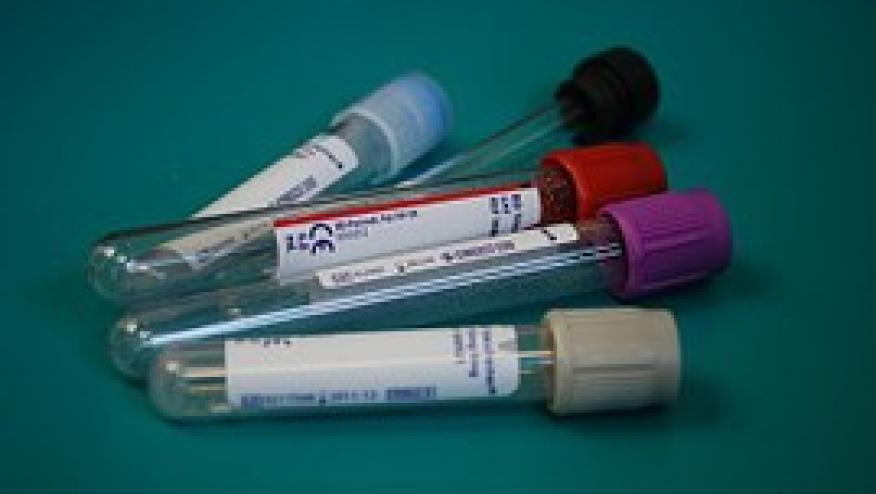
The British Society of Rheumatology has published an update to their previous 2017 BSR/BHPR guideline regarding the use and monitoring of DMARDs (disease-modifying anti-rheumatic drugs) used to treat systemic autoimmune rheumatic diseases (SARDs).
This guideline addresses screening prior to DMARD initiation, precautions during treatment and regular monitoring are required to mitigate adverse risks. In addition to blood monitoring for long-term csDMARDs use, this report includes new evidence on vaccination timing (influenza, COVID-19 and shingles), revised hydroxychloroquine dosing and monitoring protocols, and the inclusion of newly approved therapies. This guideline provides evidence-based recommendations for the safe and effective uses of csDMARDs in children, adolescents and adults with SARDs.
The following csDMARDs are covered in this guideline: apremilast (APL), azathioprine (AZA), ciclosporin (CSA), hydroxychloroquine (HCQ), leflunomide (LEF), mepacrine, methotrexate (MTX), minocycline (MCN), mycophenolate (MMF), sulfasalazine (SSZ), tacrolimus (TAC) and voclosporin.
The guideline does not cover not indications for csDMARD therapy, the use of biologic or targeted synthetic DMARDs (e.g. JAK inhibitors) or prescribing in pregnancy or when breastfeeding.
Pretreatment Recommendations
- The decision to initiate csDMARDs should be made in conjunction with the patient/carer (with parent/guardian for paediatric age group) and be supervised by an expert in the management of rheumatic diseases
- Education about treatment should be provided to promote self-management
- Support should be provided around the time of transition of care from paediatrics to adult services, with an emphasis on continuing developmentally appropriate care
- When appropriate, patients should be advised about the impact of csDMARD therapy upon fertility, pregnancy and breastfeeding
- At the time any new csDMARD is initiated, the following assessments should usually be conducted: weight and laboratory evaluation (FBC, renal function, ALT/AST, albumin) as well as any of blood pressure, ECG, HbA1C, height, lipid profile and magnesium if relevant to the treatment
- In patients with increased risk for latent tuberculosis, test for latent tuberculosis prior to initiating csDMARD therapy
- All adults starting csDMARD (except HCQ/Mepacrine) should be screened for chronic infection with hepatitis B virus, hepatitis C virus or human immunodeficiency virus. In the pediatric age group, this is at the discretion of the clinicians, depending on individual case risk
- Age-specific vaccination recommendations from the UK Health Security Agency Green Book should be followed. An assessment of the patient’s total immunosuppression should be made if live vaccines are being considered
- Screen for varicella immunity in all children and in adults with no prior history of chickenpox, shingles or VZV vaccination who are commencing csDMARDs. In the paediatric age group, screening for immunity to measles is also recommended before starting csDMARD therapy
Following influenza or COVID-19 vaccination in adults, methotrexate should be withheld for up to two weeks, assuming disease activity/risk of flare allows. In the paediatric age group, this is up to the discretion of the clinician and an individualized approach is needed
Drug Specific Recommendations
- Methotrexate
- Before prescribing methotrexate, make sure that the patient is able to understand and comply with once-weekly dosing
- All patients on methotrexate should have an agreed day of the week for dosing and be co-prescribed folic acid supplementation at a minimum dose of 5 mg once weekly, not on the day of methotrexate
- Non-invasive scoring using a Fibrosis index (FIB-4) followed by an elastography (e.g. Fibroscan®) if indicated is recommended for adults with risk factors for liver disease when starting methotrexate, although this should not delay methotrexate initiation
- Azathioprine - Patients commencing azathioprine should have baseline thiopurine methyltransferase (TPMT) status assessed
- Hydroxychloroquine
- All patients who have taken hydroxychloroquine for the equivalent of 5 years of continuous treatment or more should have annual retinopathy monitoring
- Patients who are at high risk of hydroxychloroquine retinopathy should have annual monitoring after 1 year of use. High risk factors include: tamoxifen use, in adults hydroxychloroquine doses >5 mg/kg actual body weight, renal impairment, e.g. eGFR <60 mL/min/1.73 m2 and prior chloroquine use
- Information about duration of treatment with hydroxychloroquine must be shared when transitioning between services
Tacrolimus, ciclosporin
- For patients on tacrolimus and ciclosporin, monitoring of electrolytes should include periodic monitoring of magnesium
- Therapeutic drug monitoring
- CSA and TAC require regular TDM due to their narrow therapeutic windows and potential for serious adverse effects
- Voclosporin has less intra- and inter-patient pharmacokinetic variability; routine TDM is not required
- TDM for both HCQ and MMF is available in some specialist centres and may be helpful adjunct when available accessible,
Comorbidity Recommendations
- Lung disease: Routine screening for lung disease is not recommended before initiating csDMARD therapy. Screening for lung disease should be considered based on the specific diagnosis, presenting symptoms or findings from clinical examination
- Liver disease: Patients with established liver fibrosis or cirrhosis should generally not be prescribed hepatotoxic csDMARDs
- Renal disease: csDMARDs that are renally excreted must be used with caution in CKD ≥3 with consideration for dose reduction and increased frequency of monitoring. For the paediatric age group, it is recommended to seek advice from a paediatric pharmacist and/or a pediatric nephrologist
- Cardiovascular disease and malignancy: Cardiovascular disease and prior malignancy are not considered contraindications to csDMARD therapy
- Perioperative period: csDMARD should not be routinely stopped in the perioperative period. Individualized decisions should be made for high-risk procedures and/or patients at high risk
Intercurrent infection: During a severe infection (e.g. requiring intravenous therapy or hospitalization) csDMARDs should be temporarily discontinued until the patient has recovered from the infection
Monitoring schedule recommendations
- Prior to commencing a new csDMARD, patients should be assessed for risk factors for toxicity
- In those without risk factors for toxicity FBC, electrolytes, renal function, ALT and/or AST, and serum albumin should be measured at week 2 and then monthly for the first 3–6 months of treatment
- For those with risk factors for toxicity, more frequent monitoring is advised
- When initiating ciclosporin, tacrolimus or voclosporin, more frequent monitoring is advised – fortnightly until stable dose for 6 weeks and then monthly for 3 months
- For any increase in dosing, additional monitoring is recommended at week 2, and then revert to standard monitoring
- For those in the maintenance phase, without risk factors for toxicity, measure FBC, renal function, ALT and/or AST, and serum albumin every 3 months. The monitoring interval may be extended following individualized benefit–risk assessment
- For those with risk factors for toxicity, these measurements should be taken more frequently, tailored to the individual’s level of risk
Risk factors for DMARD toxicity should be reviewed at least annually, adjusting the frequency of monitoring according to the level of risk identified
Shared Care (Collaboration) Between Primary Care and Rheumatology
- The management of patients on csDMARD therapy should be a collaborative effort between primary care and specialist rheumatology providers. A shared care protocol should be agreed upon (including in the paediatric age group when shared care exists) delineating the responsibilities of each party
- Effective communication channels should be established between primary care and specialist rheumatology providers. Documentation of patient progress, including any adverse effects and laboratory monitoring results, should be routinely shared
- Prescribers should assess risk factors for DMARD toxicity at least annually, adjusting the frequency of monitoring according to the level of risk identified. Changes in risk factors should be communicated between primary care and specialist rheumatology providers
ADD THE FIRST COMMENT
Disclosures
Disclosures
The author has no conflicts of interest to disclose related to this subject






If you are a health practitioner, you may Login/Register to comment.
Due to the nature of these comment forums, only health practitioners are allowed to comment at this time.